seo or search engine optimization

Unlocking the Secrets of Effective SEO Strategies for Online Success

The Power of SEO: Boosting Your Online Presence

The Power of SEO: Boosting Your Online Presence

In today’s digital age, having a strong online presence is crucial for businesses looking to succeed in the competitive online landscape. Search Engine Optimization (SEO) plays a vital role in helping businesses improve their visibility and reach on search engines like Google, Bing, and Yahoo.

SEO involves a range of strategies and techniques aimed at enhancing a website’s ranking on search engine results pages (SERPs). By optimising various aspects of a website, such as content, keywords, meta tags, and backlinks, businesses can increase their chances of appearing higher in search results when users look for relevant information or products.

Benefits of SEO

Implementing effective SEO strategies offers numerous benefits for businesses:

  • Increased Visibility: By improving your website’s ranking on search engines, you can attract more organic traffic and reach a wider audience.
  • Enhanced User Experience: SEO involves creating high-quality content and improving website usability, resulting in a better experience for visitors.
  • Higher Conversion Rates: When your website ranks higher in search results, it increases the likelihood of converting visitors into customers or leads.
  • Builds Credibility: Ranking well on search engines can establish trust and credibility with your target audience.

Key SEO Strategies

Some essential SEO strategies that businesses should consider include:

  1. Keyword Research: Identifying relevant keywords that your target audience is searching for can help you create valuable content that resonates with them.
  2. On-Page Optimization: Optimising meta tags, headings, images, and internal links on your website can improve its visibility to search engines.
  3. Link Building: Acquiring quality backlinks from reputable websites can boost your site’s authority and credibility.
  4. Mobile Optimization: Ensuring that your website is mobile-friendly is crucial for ranking well in mobile search results.

The Future of SEO

As search engines continue to evolve and update their algorithms, staying abreast of the latest trends and best practices in SEO is essential. Voice search optimization, local SEO, and featured snippets are some emerging areas that businesses should focus on to stay ahead in the digital landscape.

In conclusion, investing in SEO is an investment in the long-term success of your business online. By implementing effective SEO strategies tailored to your business goals, you can enhance your online visibility, attract more traffic, and ultimately drive conversions. Embrace the power of SEO today and watch your online presence soar!


7 Essential SEO Tips for Boosting Your Website’s Visibility

  1. Create high-quality, relevant content for your website.
  2. Optimize your website’s meta tags, including title tags and meta descriptions.
  3. Use appropriate keywords throughout your content to improve search engine rankings.
  4. Improve website loading speed for better user experience and SEO performance.
  5. Build quality backlinks from reputable websites to increase your site’s authority.
  6. Optimize images on your website with descriptive filenames and alt text.
  7. Regularly monitor and analyse your SEO performance using tools like Google Analytics.

Create high-quality, relevant content for your website.

Creating high-quality, relevant content for your website is a fundamental tip in SEO. By producing content that is informative, engaging, and tailored to the needs of your target audience, you not only enhance user experience but also improve your website’s visibility on search engines. Search engines value quality content that provides value to users, so investing time and effort into creating valuable articles, blog posts, and multimedia can significantly boost your site’s ranking and attract more organic traffic. Remember, content is king in the world of SEO, so prioritising quality over quantity can make a substantial difference in your online presence and success.

Optimize your website’s meta tags, including title tags and meta descriptions.

Optimising your website’s meta tags, such as title tags and meta descriptions, is a crucial aspect of effective SEO. Title tags provide a concise and descriptive title for each webpage, helping search engines understand the content and relevance of the page. Meta descriptions, on the other hand, offer a brief summary that appears in search engine results, enticing users to click through to your site. By crafting compelling and relevant meta tags that incorporate targeted keywords, you can improve your website’s visibility in search results and enhance user engagement with your content. Prioritising the optimisation of these meta elements can significantly impact your site’s performance and ultimately drive more organic traffic to your webpages.

Use appropriate keywords throughout your content to improve search engine rankings.

Utilising relevant keywords strategically within your content is a fundamental aspect of Search Engine Optimization (SEO). By incorporating appropriate keywords that align with your target audience’s search queries, you can enhance your website’s visibility and improve its ranking on search engine results pages. Effective keyword usage not only helps search engines understand the relevance of your content but also increases the likelihood of attracting organic traffic to your site. Remember, integrating keywords naturally and seamlessly into your content can significantly boost your SEO efforts and contribute to better search engine rankings.

Improve website loading speed for better user experience and SEO performance.

Improving your website loading speed is a crucial tip for enhancing both user experience and SEO performance. A fast-loading website not only keeps visitors engaged but also reduces bounce rates, leading to higher retention and conversion rates. Search engines like Google also favour fast-loading websites, considering speed as a ranking factor in their algorithms. By optimising your website’s loading speed, you can provide a seamless browsing experience for users while boosting your site’s visibility and ranking in search engine results pages.

Building quality backlinks from reputable websites is a crucial strategy in SEO to enhance your site’s authority and credibility. When reputable sites link back to your content, search engines view your website as a reliable source of information, which can positively impact your search engine rankings. By focusing on acquiring backlinks from trustworthy sources, you not only improve your site’s visibility but also establish a strong online reputation that resonates with both users and search engines.

Optimize images on your website with descriptive filenames and alt text.

When it comes to enhancing your website’s SEO, optimizing images is a crucial yet often overlooked aspect. By assigning descriptive filenames and alt text to your images, you not only improve accessibility for visually impaired users but also provide search engines with valuable information about the content of the image. This practice can help boost your website’s visibility in image search results and contribute to overall SEO performance by making your site more relevant and user-friendly.

Regularly monitor and analyse your SEO performance using tools like Google Analytics.

Regularly monitoring and analysing your SEO performance using tools like Google Analytics is essential for maintaining a successful online presence. By tracking key metrics such as website traffic, user behaviour, and conversion rates, you can gain valuable insights into the effectiveness of your SEO strategies. Identifying trends, pinpointing areas for improvement, and adjusting your approach based on data-driven decisions can help you optimise your website for better search engine visibility and overall performance. Stay proactive in reviewing your SEO analytics to stay ahead of the competition and ensure long-term success in the digital landscape.

seo secrets

Unveiling the Hidden SEO Secrets: Your Guide to Success

Unlocking the Secrets of SEO

The Hidden Gems of SEO: Unveiling the Secrets

Search Engine Optimization (SEO) is a powerful tool that can propel your website to the top of search engine results pages. While many aspects of SEO are well-known and widely practiced, there are some lesser-known secrets that can give you an edge over your competitors.

Secret 1: User Experience Matters

One of the key secrets to successful SEO is prioritising user experience. Search engines like Google now consider factors such as page load speed, mobile-friendliness, and overall usability when ranking websites. By focusing on providing a seamless and enjoyable experience for your visitors, you can improve your search engine rankings.

Secret 2: Quality Content is King

Content remains a crucial component of SEO success. However, it’s not just about keyword stuffing anymore. Search engines now value high-quality, relevant content that provides value to users. By creating informative and engaging content that resonates with your target audience, you can boost your site’s visibility and credibility.

Secret 3: Backlinks Still Matter

While the landscape of backlink building has evolved, backlinks continue to be a vital ranking factor in SEO. However, quality trumps quantity in today’s digital world. Focus on building natural and authoritative backlinks from reputable sources to enhance your website’s authority and trustworthiness in the eyes of search engines.

Secret 4: Technical Optimisation is Key

Behind the scenes, technical SEO plays a critical role in determining your website’s search engine performance. Optimising elements such as meta tags, schema markup, site structure, and internal linking can have a significant impact on how search engines crawl and index your site. Paying attention to these technical details can give you a competitive advantage in the SERPs.

Unlock Your Website’s Potential with SEO Secrets

By incorporating these lesser-known secrets into your SEO strategy, you can unlock new opportunities for growth and visibility online. Remember that SEO is an ever-evolving field, so staying informed about the latest trends and best practices is crucial for long-term success.

© 2023 SEO Secrets Unveiled | All Rights Reserved


Unlocking SEO Success: Six Essential Tips for Better Rankings

  1. Create high-quality and relevant content for your target audience.
  2. Optimize your website’s meta tags, headings, and images with relevant keywords.
  3. Build high-quality backlinks from reputable websites in your industry.
  4. Improve your website’s loading speed for better user experience and SEO ranking.
  5. Utilize social media to promote your content and engage with your audience.
  6. Regularly monitor and analyse your SEO performance to make data-driven improvements.

Create high-quality and relevant content for your target audience.

Creating high-quality and relevant content tailored to your target audience is a fundamental tip when it comes to SEO secrets. By producing informative and engaging content that addresses the needs and interests of your audience, you not only enhance user experience but also establish credibility and authority in the eyes of search engines. Quality content that resonates with your target demographic can drive organic traffic to your website, improve user engagement, and ultimately boost your search engine rankings. Remember, content is king in the realm of SEO, so investing time and effort into crafting valuable material can yield significant results in your digital marketing efforts.

Optimize your website’s meta tags, headings, and images with relevant keywords.

To enhance your website’s search engine visibility, it is crucial to optimise key elements such as meta tags, headings, and images with relevant keywords. By strategically incorporating targeted keywords into these areas, you can signal to search engines the relevance of your content to user queries. Meta tags provide a brief summary of your page’s content, headings structure the hierarchy of information, and image alt text enhances accessibility and SEO. This practice not only helps search engines understand your content better but also improves the overall user experience by providing relevant and descriptive information.

To enhance your website’s search engine visibility, it is crucial to focus on building high-quality backlinks from reputable websites within your industry. Backlinks act as a vote of confidence from other sites, signalling to search engines that your content is valuable and trustworthy. By establishing connections with authoritative sources in your niche, you not only boost your site’s credibility but also improve its chances of ranking higher in search results. Prioritising quality over quantity when it comes to backlinks can significantly impact your SEO success and help establish your website as a reliable resource within your industry.

Improve your website’s loading speed for better user experience and SEO ranking.

Improving your website’s loading speed is a crucial tip in the realm of SEO secrets. A fast-loading website not only enhances user experience by providing visitors with quick access to content but also plays a significant role in boosting your SEO ranking. Search engines like Google prioritise websites that load quickly, as this indicates a seamless and user-friendly browsing experience. By optimising your website’s loading speed, you not only keep users engaged but also improve your chances of ranking higher in search engine results pages, ultimately driving more organic traffic to your site.

Utilize social media to promote your content and engage with your audience.

To unlock the full potential of your SEO strategy, it is essential to leverage the power of social media platforms to promote your content and actively engage with your audience. By sharing your valuable content across social channels, you not only increase its visibility but also encourage user interaction and feedback. Building a strong social media presence not only drives traffic to your website but also enhances brand awareness and credibility in the eyes of both users and search engines. Embracing social media as a key component of your SEO efforts can lead to improved rankings, increased website traffic, and deeper connections with your target audience.

Regularly monitor and analyse your SEO performance to make data-driven improvements.

Regularly monitoring and analysing your SEO performance is a crucial tip in unlocking the secrets to successful search engine optimisation. By reviewing key metrics such as website traffic, keyword rankings, and conversion rates, you can gain valuable insights into the effectiveness of your SEO strategies. This data-driven approach allows you to identify areas for improvement, make informed decisions, and ultimately enhance your online visibility and reach. Consistent monitoring and analysis enable you to adapt to changing trends and algorithms, ensuring that your website remains competitive in the ever-evolving digital landscape.

seo services provider

Enhance Your Online Presence with Expert SEO Services Provider in the UK

The Benefits of Hiring an SEO Services Provider

The Benefits of Hiring an SEO Services Provider

Search Engine Optimization (SEO) has become a crucial aspect of digital marketing for businesses looking to enhance their online presence. While some may attempt to manage their SEO strategies in-house, there are significant advantages to enlisting the services of a professional SEO provider.

Expertise and Experience

An established SEO services provider brings a wealth of expertise and experience to the table. Their team is well-versed in the latest SEO trends, algorithms, and best practices, allowing them to devise effective strategies tailored to your business goals.

Time and Resource Efficiency

Outsourcing your SEO needs to a dedicated provider frees up your time and resources, enabling you to focus on core business activities. With experts managing your SEO campaigns, you can rest assured that your online visibility is in capable hands.

Improved Website Performance

A professional SEO services provider can conduct comprehensive audits of your website, identifying areas for improvement and implementing solutions to enhance its performance. This includes optimising site speed, improving user experience, and increasing organic traffic.

Measurable Results

One of the key benefits of hiring an SEO services provider is the ability to track and measure the impact of their strategies. Through detailed analytics and reporting, you can monitor the progress of your campaigns and make data-driven decisions to further optimise your online presence.

Stay Ahead of the Competition

In today’s competitive digital landscape, staying ahead of the competition is essential for business success. An experienced SEO services provider can help you outrank competitors in search engine results pages (SERPs), ensuring that your brand receives maximum visibility online.

Conclusion

By enlisting the services of a professional SEO provider, businesses can benefit from expert knowledge, time efficiency, improved website performance, measurable results, and a competitive edge in the digital market. Investing in quality SEO services is not just about ranking higher on search engines; it’s about establishing a strong online presence that drives sustainable growth and success.


Top 7 Advantages of Hiring an SEO Services Provider for Your Business

  1. Expertise in SEO strategies and best practices
  2. Access to advanced SEO tools and technologies
  3. Customised solutions tailored to your business needs
  4. Improved website visibility and search engine rankings
  5. Regular monitoring and analysis of SEO performance
  6. Saves time and resources for core business activities
  7. Stay updated with the latest trends and algorithm changes


Challenges of Engaging SEO Service Providers: Key Concerns for Businesses

  1. Costly investment for small businesses with limited budgets
  2. Potential lack of transparency in reporting and communication
  3. Risk of working with inexperienced or unqualified SEO providers
  4. Difficulty in assessing the actual impact and ROI of SEO services
  5. Dependency on external providers for ongoing maintenance and updates
  6. Possible conflicts of interest if the provider serves competitors in the same industry
  7. Inflexibility in adapting strategies to changes in search engine algorithms

Expertise in SEO strategies and best practices

An SEO services provider offers invaluable expertise in SEO strategies and best practices, ensuring that your online presence is optimised for success. With a deep understanding of the ever-evolving digital landscape, they can craft tailored strategies that align with your business objectives and drive meaningful results. By leveraging their knowledge of industry trends and algorithm updates, an experienced SEO provider can help you stay ahead of the competition and maximise your visibility in search engine results.

Access to advanced SEO tools and technologies

Access to advanced SEO tools and technologies is a significant advantage of hiring an SEO services provider. These professionals have access to cutting-edge tools and technologies that may be costly or complex for businesses to acquire independently. By leveraging these advanced resources, SEO providers can conduct in-depth keyword research, competitor analysis, website audits, and performance tracking with precision and efficiency. This access ensures that your SEO strategies are data-driven, up-to-date, and optimised for maximum impact, ultimately leading to improved online visibility and better search engine rankings for your business.

Customised solutions tailored to your business needs

A significant advantage of partnering with an SEO services provider is their ability to deliver customised solutions that are specifically tailored to meet the unique needs and objectives of your business. By understanding your industry, target audience, and competitive landscape, a professional SEO provider can develop strategies that are designed to maximise your online visibility and drive relevant traffic to your website. This personalised approach ensures that every aspect of your SEO campaign aligns with your brand identity and business goals, ultimately leading to more effective results and a stronger digital presence.

Improved website visibility and search engine rankings

Enhancing website visibility and improving search engine rankings are key benefits of partnering with an SEO services provider. By implementing targeted strategies and optimising website content, a professional SEO team can significantly boost a business’s online presence. This increased visibility not only drives more organic traffic to the website but also helps the brand rank higher in search engine results pages (SERPs), ultimately leading to greater exposure and improved credibility among target audiences.

Regular monitoring and analysis of SEO performance

Regular monitoring and analysis of SEO performance is a crucial pro of hiring an SEO services provider. By continuously tracking the effectiveness of SEO strategies, a professional provider can identify areas for improvement, fine-tune campaigns, and adapt to changing algorithms. This proactive approach ensures that your website maintains its visibility in search engine results and drives sustainable organic traffic growth. With detailed analytics and performance reports, you can gain valuable insights into the impact of SEO efforts and make informed decisions to enhance your online presence further.

Saves time and resources for core business activities

By partnering with a professional SEO services provider, businesses can save valuable time and resources that can be redirected towards core business activities. Outsourcing SEO tasks to experts allows companies to focus on their primary objectives and strategic initiatives, knowing that their online visibility and digital marketing efforts are in capable hands. This efficient allocation of resources not only streamlines operations but also enables businesses to maximise productivity and drive growth without compromising on the quality of their SEO strategies.

Staying updated with the latest trends and algorithm changes is a significant advantage of hiring an SEO services provider. Professional providers are dedicated to keeping abreast of the ever-evolving landscape of search engine optimisation, ensuring that your strategies are always aligned with current best practices. By leveraging their knowledge of new trends and algorithm updates, SEO services providers can adapt your campaigns swiftly, helping your website maintain its visibility and rankings in search engine results pages. This proactive approach to staying informed about industry changes ultimately contributes to the long-term success of your online presence.

Costly investment for small businesses with limited budgets

For small businesses with limited budgets, one significant drawback of hiring an SEO services provider is the potentially high cost involved. Implementing comprehensive SEO strategies can be a costly investment, especially for businesses operating on tight financial constraints. The fees associated with professional SEO services may strain the budget of small enterprises, making it challenging for them to afford ongoing SEO support. This financial burden can deter small businesses from reaping the full benefits of expert SEO assistance, limiting their ability to compete effectively in the digital marketplace.

Potential lack of transparency in reporting and communication

When considering hiring an SEO services provider, one potential con to be aware of is the risk of encountering a lack of transparency in reporting and communication. Some providers may not offer clear and detailed reports on the progress of your SEO campaigns, making it challenging to assess the effectiveness of their strategies. Additionally, inadequate communication channels can lead to misunderstandings and hinder collaboration between the provider and the client. It is essential for businesses to thoroughly vet potential SEO providers to ensure they prioritise transparent reporting and open communication to foster a productive partnership.

Risk of working with inexperienced or unqualified SEO providers

One significant drawback of engaging with SEO services providers is the risk associated with working with inexperienced or unqualified professionals. Entrusting your SEO strategies to individuals or agencies lacking the necessary expertise and knowledge can lead to ineffective campaigns, wasted resources, and potential harm to your online reputation. Inexperienced SEO providers may employ outdated tactics that could result in penalties from search engines or fail to deliver the desired results, ultimately hindering your digital marketing efforts and impacting your business’s online visibility. It is crucial for businesses to thoroughly vet and select reputable and qualified SEO providers to mitigate the risks associated with inexperienced practitioners in the field.

Difficulty in assessing the actual impact and ROI of SEO services

One significant con of hiring an SEO services provider is the difficulty in accurately assessing the actual impact and Return on Investment (ROI) of the services rendered. Unlike more tangible marketing efforts, such as pay-per-click advertising or social media campaigns, measuring the direct impact of SEO can be complex and challenging. The long-term nature of SEO strategies, coupled with constantly evolving search engine algorithms, makes it hard to attribute specific outcomes solely to SEO efforts. This lack of clear visibility into the direct results of SEO services can pose a challenge for businesses seeking to evaluate the effectiveness and profitability of their investment in SEO.

Dependency on external providers for ongoing maintenance and updates

One notable downside of relying on SEO services providers is the dependency created on external parties for ongoing maintenance and updates. Businesses may find themselves reliant on the expertise of these providers to keep their SEO strategies relevant and effective. This dependency can lead to challenges in terms of flexibility and control over the optimization process, as businesses may need to constantly engage with external providers for any adjustments or updates required. Additionally, unforeseen circumstances such as changes in provider availability or service quality could potentially disrupt the continuity of SEO efforts, highlighting the importance of carefully managing relationships with external providers in order to mitigate risks associated with dependency.

Possible conflicts of interest if the provider serves competitors in the same industry

One significant drawback of hiring an SEO services provider is the potential for conflicts of interest, particularly when the provider serves multiple clients within the same industry, including competitors. In such scenarios, there is a risk that the SEO strategies implemented for one client may inadvertently benefit their competitors, leading to a dilution of the competitive advantage sought by each individual business. This conflict can undermine trust and confidentiality, raising concerns about the impartiality and exclusivity of the services provided, ultimately impacting the effectiveness of the SEO campaigns and potentially compromising the overall success of all parties involved.

Inflexibility in adapting strategies to changes in search engine algorithms

One notable drawback of relying on SEO services providers is their potential inflexibility in adapting strategies to changes in search engine algorithms. As search engines frequently update their algorithms to enhance user experience and ensure relevant search results, SEO tactics that once yielded positive results may become less effective or even penalised. Some providers may struggle to swiftly adjust their strategies to align with these algorithm changes, leading to a decline in organic visibility and potential setbacks in online rankings. It is crucial for businesses to work with SEO providers who demonstrate agility and proactiveness in responding to algorithm updates to maintain a competitive edge in the ever-evolving digital landscape.

seo online

Unlocking the Potential of SEO Online: Strategies for Digital Success

The Power of SEO Online

The Power of SEO Online

In today’s digital age, having a strong online presence is crucial for businesses to succeed. Search Engine Optimization (SEO) plays a vital role in ensuring that your website ranks high on search engine results pages (SERPs) and attracts organic traffic.

SEO online involves various strategies and techniques aimed at improving your website’s visibility and relevance to search engines like Google, Bing, and Yahoo. By optimising your site’s content, meta tags, keywords, and backlinks, you can enhance its chances of appearing at the top of search results when users look for relevant information.

Benefits of SEO Online:

  • Increased Visibility: Effective SEO practices can boost your website’s visibility, making it easier for potential customers to find you online.
  • Higher Rankings: By optimising your site according to search engine algorithms, you can improve its ranking on SERPs and outperform competitors.
  • Targeted Traffic: SEO helps attract targeted traffic interested in your products or services, increasing the likelihood of conversions.
  • Improved User Experience: Optimising your site for SEO often leads to a better user experience by providing relevant and valuable content to visitors.
  • Cost-Effective Marketing: Compared to traditional advertising methods, SEO is a cost-effective way to reach a wider audience and generate leads.

Key Elements of Successful SEO Online Strategies:

  1. Keyword Research: Identifying relevant keywords that users are searching for in your industry is essential for creating targeted content.
  2. On-Page Optimization: Optimising meta tags, headings, URLs, and internal links on your website helps search engines understand the context of your pages.
  3. Quality Content: Creating high-quality, engaging content that provides value to users is crucial for SEO success.
  4. Link Building: Acquiring backlinks from reputable sites improves your site’s authority and credibility in the eyes of search engines.
  5. Analytics Monitoring: Tracking key metrics like traffic sources, bounce rates, and conversion rates helps evaluate the effectiveness of your SEO efforts.

In conclusion, investing in SEO online can significantly impact your digital marketing strategy and overall business growth. By implementing effective SEO practices tailored to your target audience and industry trends, you can establish a strong online presence that drives organic traffic and boosts conversions.


25 Common Questions About SEO: A Guide to Getting Started and Improving Your Website’s Performance

  1. How can I check my SEO score for free?
  2. Can I do SEO for free?
  3. Can I SEO my own website?
  4. Can SEO be done free?
  5. Can I do SEO by my self?
  6. How to do SEO on Google?
  7. Can I do my own SEO?
  8. How can I do SEO for my website?
  9. What is SEO in online?
  10. Is SEO free to use?
  11. How do you do SEO for a website?
  12. How can I SEO my website for free?
  13. How do I check my SEO status?
  14. How can I check my SEO?
  15. How can I test my SEO?
  16. How do I SEO my website for free?
  17. How can I get SEO online?
  18. How to do SEO on website?
  19. How do I check my SEO online?
  20. What is the best online SEO test?
  21. How do I do SEO for a website?
  22. What is the best free SEO?
  23. How do I SEO my website?
  24. How can I do SEO for free?
  25. How do beginners do SEO?

How can I check my SEO score for free?

To check your SEO score for free, there are various online tools available that can provide you with valuable insights into the performance of your website. By using tools like Google’s PageSpeed Insights, SEMrush, Moz’s Domain Analysis, or Ahrefs’ Site Audit, you can assess factors such as page loading speed, backlink quality, keyword rankings, and overall site health. These tools analyse your website based on SEO best practices and provide recommendations for improvement to help you enhance your online visibility and ranking on search engine results pages. Regularly monitoring your SEO score using these free tools can help you track progress and make informed decisions to optimise your website for better search engine performance.

Can I do SEO for free?

It is a common query in the realm of SEO online: “Can I do SEO for free?” While it is possible to implement some basic SEO strategies without incurring costs, achieving significant results typically requires investment in time, resources, and expertise. Free SEO tools and resources can help you get started with keyword research, on-page optimisation, and monitoring performance. However, to compete effectively in the digital landscape and outrank competitors, engaging professional SEO services or investing in paid tools may be necessary. Ultimately, the decision to pursue free SEO or invest in professional assistance depends on your goals, budget, and commitment to achieving sustainable online visibility.

Can I SEO my own website?

When it comes to the frequently asked question, “Can I SEO my own website?” the answer is a resounding yes. While implementing SEO strategies for your website can be a challenging task, it is entirely possible for individuals to optimise their site effectively. By educating yourself on SEO best practices, conducting thorough keyword research, creating high-quality content, and building relevant backlinks, you can enhance your website’s visibility and ranking on search engine results pages. However, staying updated on the ever-evolving landscape of SEO algorithms and trends is crucial to maintaining long-term success in optimising your own website.

Can SEO be done free?

When it comes to the question of whether SEO can be done for free, the answer is both yes and no. While there are certainly free resources and tools available for basic SEO practices such as keyword research, on-page optimisation, and content creation, achieving significant results often requires a more comprehensive approach that may involve investing in paid tools or professional services. Free SEO efforts can certainly make a difference, especially for small businesses or individuals with limited budgets, but to compete effectively in competitive online markets and see substantial long-term benefits, a combination of free and paid strategies is usually recommended. Ultimately, the effectiveness of free SEO depends on the time, effort, and expertise put into implementing these strategies.

Can I do SEO by my self?

When it comes to the frequently asked question, “Can I do SEO by myself?” the answer is yes, you can certainly attempt to do SEO on your own. However, it’s important to understand that Search Engine Optimization is a complex and ever-evolving field that requires a deep understanding of algorithms, keyword research, content creation, and technical aspects of website optimisation. While there are plenty of online resources and guides available to help you learn the basics of SEO, achieving significant results often requires expertise and experience. Working with professional SEO specialists can provide you with tailored strategies and insights that maximise your website’s visibility and performance in search engine rankings.

How to do SEO on Google?

When it comes to doing SEO on Google, the key lies in understanding and implementing best practices that align with Google’s search algorithm. To optimise your website for Google search, start by conducting thorough keyword research to identify relevant terms and phrases that your target audience is searching for. Next, focus on creating high-quality, valuable content that incorporates these keywords naturally. Ensure your website is user-friendly, mobile-responsive, and loads quickly to provide a positive user experience. Additionally, building quality backlinks from reputable sites and regularly monitoring your site’s performance through analytics are essential steps in improving your SEO on Google. By staying updated on algorithm changes and consistently refining your SEO strategies, you can enhance your visibility and rankings on Google search results pages.

Can I do my own SEO?

Many individuals wonder, “Can I do my own SEO?” While it is possible for individuals to attempt SEO on their own, it requires a deep understanding of search engine algorithms, keyword research, on-page optimization, link building, and analytics monitoring. Successful SEO demands time, dedication, and ongoing effort to stay abreast of industry trends and algorithm updates. Working with a professional SEO agency or consultant can often yield more effective results and save time in the long run. However, with the right resources and commitment to learning, some individuals may find success in managing their own SEO strategies.

How can I do SEO for my website?

To effectively do SEO for your website, it is essential to start by conducting thorough keyword research to identify relevant terms and phrases that your target audience is searching for. Optimise your website’s meta tags, headings, URLs, and content with these keywords to improve its visibility on search engine results pages. Create high-quality, engaging content that provides value to users and encourages them to stay on your site. Focus on building quality backlinks from reputable websites to enhance your site’s authority and credibility. Regularly monitor and analyse key metrics using tools like Google Analytics to track the performance of your SEO efforts and make necessary adjustments for continuous improvement. By following these steps and staying informed about the latest SEO trends and best practices, you can effectively boost your website’s search engine rankings and attract organic traffic.

What is SEO in online?

Search Engine Optimization (SEO) in the online realm refers to the practice of enhancing a website’s visibility and ranking on search engine results pages (SERPs) through strategic techniques and tactics. SEO online involves various processes such as keyword research, on-page optimization, content creation, and link building to improve a website’s relevance and authority in the eyes of search engines. By implementing SEO best practices, businesses can attract organic traffic, increase their online presence, and ultimately drive more conversions. In essence, SEO in the online domain is a fundamental digital marketing strategy that aims to optimise websites for better visibility and performance in search engine results.

Is SEO free to use?

When it comes to the frequently asked question, “Is SEO free to use?”, the answer lies in understanding the nature of Search Engine Optimization. While SEO itself is not a paid service or tool that requires a direct financial investment, implementing effective SEO strategies does require time, effort, and expertise. Creating high-quality content, conducting keyword research, optimizing website structure, and building backlinks all demand resources and dedication. Therefore, while SEO can be considered a cost-effective long-term marketing strategy compared to paid advertising, it is not entirely free in terms of the commitment needed to achieve sustainable results in improving website visibility and organic traffic.

How do you do SEO for a website?

Optimising a website for search engines involves a strategic approach to improve its visibility and ranking in search results. To do SEO for a website effectively, start by conducting thorough keyword research to identify relevant terms and phrases that your target audience is searching for. Next, focus on on-page optimisation by creating high-quality content that incorporates these keywords naturally, optimising meta tags, headings, and URLs. Building quality backlinks from reputable sites can also enhance your site’s authority. Regularly monitoring and analysing performance metrics using tools like Google Analytics is crucial to track progress and make data-driven adjustments to your SEO strategy. By implementing these key steps and staying updated on industry best practices, you can enhance your website’s SEO performance and attract organic traffic effectively.

How can I SEO my website for free?

Optimising your website for search engines without breaking the bank is indeed possible through various free SEO strategies. To SEO your website for free, start by conducting thorough keyword research to identify relevant terms that your target audience is searching for. Incorporate these keywords strategically into your website’s content, meta tags, and headings to improve its visibility on search engine results pages. Additionally, focus on creating high-quality and engaging content that provides value to users while also attracting natural backlinks from reputable sources. Leveraging free tools like Google Search Console and Google Analytics can help you monitor your site’s performance and make informed decisions to enhance its SEO. By consistently implementing these cost-effective tactics, you can effectively optimise your website for search engines without incurring additional expenses.

How do I check my SEO status?

To check your SEO status, you can start by conducting a comprehensive website audit using online tools like Google Search Console and SEMrush. These tools provide valuable insights into your site’s performance, including indexing status, keyword rankings, backlink analysis, and more. Additionally, monitoring key metrics such as organic traffic, bounce rates, and conversion rates can help assess the effectiveness of your SEO efforts. Regularly reviewing and updating your content with relevant keywords and meta tags is essential for maintaining a strong SEO status. Collaborating with SEO experts can also provide in-depth analysis and recommendations to improve your website’s visibility and ranking on search engine results pages.

How can I check my SEO?

To check your SEO performance, there are several tools and methods available that can provide valuable insights into the effectiveness of your website’s search engine optimisation. One common approach is to use online SEO audit tools that analyse various aspects of your site, such as on-page elements, backlinks, and technical issues. Additionally, monitoring key metrics like organic traffic, keyword rankings, and conversion rates through platforms like Google Analytics can help you assess the impact of your SEO efforts. Regularly reviewing these metrics and making necessary adjustments based on the findings can help improve your website’s visibility and ranking on search engine results pages.

How can I test my SEO?

Testing your SEO strategy is essential to ensure that your website is optimised for search engines and driving organic traffic effectively. One way to test your SEO is by conducting a comprehensive website audit using tools like Google Search Console, SEMrush, or Moz. These tools can provide valuable insights into your site’s performance, including issues with metadata, broken links, keyword rankings, and more. Additionally, you can test your SEO by performing keyword research to identify relevant terms for your industry and monitoring your site’s visibility on search engine results pages (SERPs). Regularly analysing and adjusting your SEO tactics based on testing results will help you improve your website’s search engine ranking and attract more qualified traffic.

How do I SEO my website for free?

Optimising your website for search engines without incurring costs is indeed a common query in the realm of SEO online. To SEO your website for free, start by conducting thorough keyword research to identify relevant terms that your target audience is searching for. Utilise these keywords strategically in your website’s content, meta tags, and headings to enhance its visibility on search engine results pages. Focus on creating high-quality, informative content that resonates with users and encourages engagement. Additionally, optimise your website’s loading speed, improve its mobile responsiveness, and ensure proper internal linking to enhance user experience and boost SEO performance organically. Regularly monitor your site’s analytics to track progress and make necessary adjustments to further optimise its SEO for free.

How can I get SEO online?

To get SEO online, you can start by conducting thorough research on SEO best practices and understanding the fundamentals of search engine optimisation. It is essential to identify relevant keywords for your website and create high-quality content that aligns with those keywords. Implementing on-page optimisation techniques, such as meta tags, headings, and internal links, can also improve your site’s visibility to search engines. Additionally, building a strong backlink profile from reputable websites can enhance your site’s authority and credibility. Consider partnering with experienced SEO professionals or agencies to develop a customised SEO strategy tailored to your business goals and target audience. By consistently monitoring and refining your SEO efforts, you can gradually improve your online visibility and attract organic traffic to your website.

How to do SEO on website?

Optimising a website for search engines, known as SEO, involves several key steps to improve its visibility and ranking on search engine results pages. To do SEO on a website effectively, one must start by conducting thorough keyword research to identify relevant terms and phrases that potential visitors are searching for. Next, on-page optimisation techniques such as creating high-quality content, optimising meta tags, headings, and URLs, and improving site speed are essential. Additionally, building quality backlinks from reputable sites and monitoring performance through analytics tools are crucial aspects of a successful SEO strategy. By implementing these best practices and staying up-to-date with the latest algorithm changes, businesses can enhance their online presence and attract organic traffic to their website.

How do I check my SEO online?

To check your SEO online, there are several tools and methods available to assess the effectiveness of your website’s search engine optimisation. One common approach is to use online SEO audit tools that analyse various aspects of your site, such as meta tags, keywords, backlinks, and overall performance. Additionally, monitoring your website’s ranking on search engine results pages (SERPs) for relevant keywords can provide insights into its visibility and competitiveness. Regularly reviewing analytics data, including traffic sources, user engagement metrics, and conversion rates, can also help evaluate the impact of your SEO efforts and identify areas for improvement. By combining these strategies and staying informed about SEO best practices, you can effectively check and optimise your SEO online presence for better visibility and results.

What is the best online SEO test?

When it comes to determining the best online SEO test, it is essential to consider various factors such as the comprehensiveness of the test, the credibility of the provider, and how well it aligns with current SEO practices. The ideal online SEO test should cover a range of topics including keyword research, on-page optimization, link building strategies, and analytics monitoring. Additionally, reputable platforms offering these tests often provide certifications or badges that can validate your proficiency in SEO to potential clients or employers. It is advisable to research and choose an online SEO test that not only evaluates your knowledge but also equips you with practical skills to excel in the dynamic field of search engine optimization.

How do I do SEO for a website?

Optimising a website for search engines, known as SEO, involves several key steps to enhance its visibility and ranking on search engine results pages. Firstly, conducting thorough keyword research to identify relevant terms that users are searching for is essential. Incorporating these keywords strategically into website content, meta tags, and URLs helps search engines understand the site’s relevance to specific queries. Additionally, creating high-quality and engaging content that provides value to visitors is crucial for SEO success. Implementing on-page optimisation techniques such as improving site speed, mobile responsiveness, and internal linking structure also plays a significant role in boosting a website’s SEO performance. Lastly, building quality backlinks from reputable sites can further establish the website’s authority and credibility in the eyes of search engines. By following these fundamental SEO practices and staying informed about industry trends and algorithm updates, one can effectively optimise a website for improved visibility and organic traffic.

What is the best free SEO?

When it comes to the frequently asked question, “What is the best free SEO?”, it’s important to understand that while there are various free SEO tools and resources available, the effectiveness of each tool may vary depending on your specific needs and goals. Some popular free SEO tools include Google Search Console, Google Analytics, and tools like MozBar and SEMrush. These tools can help you analyse website performance, track keyword rankings, and identify areas for improvement. However, for a comprehensive and tailored SEO strategy, investing in professional SEO services or premium tools may be necessary to achieve optimal results in the competitive online landscape.

How do I SEO my website?

Optimising your website for search engines, commonly referred to as SEO, involves a series of strategic steps to improve its visibility and ranking on search engine results pages. To SEO your website effectively, start by conducting thorough keyword research to identify relevant terms and phrases that your target audience is searching for. Incorporate these keywords naturally into your website’s content, meta tags, headings, and URLs. Focus on creating high-quality, informative content that addresses the needs of your visitors and provides value. Additionally, ensure that your website is technically sound by optimising its loading speed, mobile responsiveness, and navigation structure. Regularly monitor your site’s performance using analytics tools to track key metrics and make data-driven improvements to enhance its SEO performance over time.

How can I do SEO for free?

For those looking to enhance their online presence without incurring additional costs, implementing SEO strategies for free can be a viable option. To do SEO for free, individuals can start by conducting thorough keyword research to identify relevant terms and phrases that align with their content. Optimising website content with these keywords, improving meta tags, enhancing site speed, creating high-quality backlinks through guest posting or social media engagements, and regularly updating and promoting content are all effective ways to boost organic search visibility without financial investment. Additionally, leveraging free SEO tools such as Google Analytics, Google Search Console, and various online resources can provide valuable insights and guidance in improving website performance and ranking on search engine results pages.

How do beginners do SEO?

For beginners looking to delve into the world of SEO online, starting with the basics is key. Understanding fundamental concepts such as keyword research, on-page optimization, and creating quality content is crucial. Beginners can begin by familiarising themselves with popular SEO tools and resources available online to gain insights into industry best practices. It’s essential to stay updated on search engine algorithms and trends while gradually implementing SEO strategies on their own website or blog. Seeking guidance from reputable sources and experimenting with different techniques can help beginners build a solid foundation in SEO and pave the way for future success in improving online visibility and driving organic traffic.

seo link building agency

Unlocking Success: The Role of an Expert SEO Link Building Agency in Boosting Your Online Presence

The Importance of SEO Link Building Agencies

The Importance of SEO Link Building Agencies

In the realm of digital marketing, search engine optimisation (SEO) plays a crucial role in determining the online visibility and ranking of a website. One essential aspect of SEO that significantly impacts a website’s ranking is link building. As such, businesses often turn to specialised SEO link building agencies to enhance their online presence and boost their search engine rankings.

What is SEO Link Building?

SEO link building is the process of acquiring hyperlinks from other websites to your own. These inbound links are vital for search engines like Google to determine the credibility, authority, and relevance of your website. The more high-quality backlinks a website has, the more likely it is to rank higher in search engine results pages (SERPs).

The Role of SEO Link Building Agencies

SEO link building agencies are experts in developing strategic link building campaigns tailored to improve a website’s search engine performance. These agencies have the knowledge, tools, and resources to identify relevant websites for link acquisition, create compelling content that attracts backlinks, and execute outreach strategies to secure valuable links from authoritative sources.

Benefits of Hiring an SEO Link Building Agency

  • Enhanced Search Engine Rankings: By acquiring high-quality backlinks from reputable websites, an SEO link building agency can help improve your website’s visibility in search results.
  • Increased Website Traffic: Quality backlinks drive referral traffic to your site, expanding your audience and potential customer base.
  • Improved Domain Authority: A strong backlink profile can enhance your website’s domain authority, making it more trustworthy in the eyes of search engines.
  • Long-Term Growth: Sustainable link building strategies implemented by agencies can lead to long-term growth and sustained online success for your business.

In Conclusion

SEO link building is a fundamental aspect of any successful digital marketing strategy. By enlisting the services of an experienced SEO link building agency, businesses can harness the power of quality backlinks to elevate their online presence, drive organic traffic, and achieve higher search engine rankings. Investing in professional link building services can be a game-changer for businesses looking to establish authority in their industry and stay ahead in today’s competitive online landscape.


7 Essential Tips for Effective SEO Link Building: Boost Your Website’s Authority

  1. 1. Focus on building quality backlinks from reputable websites.
  2. 2. Use a variety of link building strategies such as guest posting, broken link building, and resource link building.
  3. 3. Avoid black hat SEO techniques that can harm your website’s reputation.
  4. 4. Regularly monitor your backlink profile to identify and disavow any toxic links.
  5. 5. Build relationships with influencers and other websites in your industry for natural link acquisition.
  6. 6. Create high-quality content that is valuable and shareable to attract organic backlinks.
  7. 7. Stay updated with the latest SEO trends and algorithm changes to adapt your link building strategies accordingly.

To enhance your website’s search engine ranking effectively, it is crucial to concentrate on acquiring high-quality backlinks from reputable websites. Quality backlinks from authoritative sources not only signal to search engines the credibility and relevance of your site but also drive valuable referral traffic. By prioritising the acquisition of backlinks from trustworthy websites, an SEO link building agency can significantly boost your website’s visibility, domain authority, and overall online performance.

To enhance the effectiveness of your SEO link building efforts, it is advisable to employ a diverse range of strategies. This includes utilising tactics such as guest posting, broken link building, and resource link building. Guest posting involves creating valuable content for other websites in exchange for a backlink to your site. Broken link building focuses on identifying broken links on external sites and offering your content as a replacement, thus earning a new backlink. Resource link building entails creating high-quality resources that attract natural backlinks from relevant websites. By incorporating these varied approaches into your link building campaign, you can strengthen your website’s authority and improve its search engine rankings.

3. Avoid black hat SEO techniques that can harm your website’s reputation.

When engaging with an SEO link building agency, it is crucial to adhere to ethical practices and avoid black hat SEO techniques that could potentially damage your website’s reputation. Employing unethical tactics such as buying links, keyword stuffing, or cloaking may provide short-term gains but can ultimately lead to penalties from search engines and tarnish your brand’s credibility. By prioritising white hat SEO strategies and working with a reputable agency that focuses on sustainable link building practices, you can safeguard your website’s reputation and establish a strong foundation for long-term success in the digital landscape.

Regularly monitoring your backlink profile is a crucial aspect of maintaining a healthy and effective SEO strategy. By diligently reviewing your backlinks, you can identify any potentially harmful or toxic links that may be negatively impacting your website’s credibility and search engine rankings. Once identified, it is essential to promptly disavow these toxic links to prevent them from undermining your SEO efforts. This proactive approach not only safeguards your website from potential penalties but also ensures that your link building efforts contribute positively to enhancing your online visibility and authority.

Building relationships with influencers and other websites in your industry is a valuable strategy for natural link acquisition. By establishing genuine connections with key figures and relevant websites, you can organically attract high-quality backlinks to your site. Collaborating with influencers and industry peers not only enhances your website’s credibility and authority but also opens up opportunities for mutual promotion and link sharing. This approach to link building fosters authentic relationships within your niche, leading to sustainable growth and increased visibility in search engine results.

Creating high-quality and valuable content that is shareable is a key strategy when it comes to SEO link building. By producing content that resonates with your target audience and provides real value, you increase the likelihood of attracting organic backlinks from other websites. When content is informative, engaging, and relevant, it not only enhances your website’s credibility but also encourages others to link back to your site naturally. This approach not only helps improve your search engine rankings but also establishes your website as a reputable source within your industry, driving organic traffic and boosting overall online visibility.

To maximise the effectiveness of your SEO link building efforts, it is crucial to stay abreast of the latest SEO trends and algorithm changes. By keeping up-to-date with industry developments, you can adapt your link building strategies accordingly to ensure they align with search engine requirements and best practices. This proactive approach not only helps maintain the relevance and authority of your website but also positions your business for sustained success in the ever-evolving digital landscape.

seo lead generation

Unlocking the Potential: SEO Lead Generation Strategies for Business Growth

SEO Lead Generation

The Power of SEO in Lead Generation

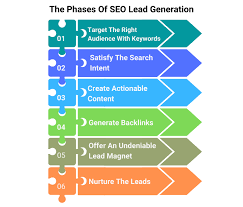
Search Engine Optimization (SEO) is not just about improving your website’s visibility on search engines; it is also a powerful tool for generating leads. In today’s competitive digital landscape, businesses are constantly seeking effective strategies to attract and convert potential customers. SEO lead generation has emerged as a crucial component of any successful marketing campaign.

How Does SEO Drive Lead Generation?

SEO focuses on enhancing your website’s ranking in search engine results pages (SERPs) by optimizing various elements such as keywords, meta tags, and content quality. By improving your website’s visibility for relevant search queries, you can attract organic traffic from users actively seeking information or solutions related to your products or services.

When users land on your website through organic search results, they are more likely to be interested in what you offer, making them valuable leads. By providing high-quality content that addresses their needs and concerns, you can engage visitors and encourage them to take desired actions, such as signing up for newsletters, downloading resources, or making purchases.

The Benefits of SEO Lead Generation

One of the key advantages of using SEO for lead generation is its cost-effectiveness compared to traditional advertising methods. With SEO, you can target specific keywords and demographics to reach your ideal audience without incurring hefty advertising costs.

Moreover, SEO lead generation offers long-term benefits by establishing your website as a credible source of information within your industry. As your website gains authority and trust from search engines and users alike, you can enjoy sustained organic traffic and a steady stream of qualified leads over time.

Best Practices for SEO Lead Generation

To maximise the effectiveness of SEO in lead generation, consider implementing the following best practices:

  • Keyword Research: Identify relevant keywords with high search volume and low competition to target potential leads effectively.
  • Optimised Content: Create informative and engaging content that resonates with your target audience and encourages them to take action.
  • User Experience: Ensure that your website is user-friendly, mobile-responsive, and provides a seamless browsing experience for visitors.
  • Lead Capture Forms: Include clear calls-to-action and lead capture forms on strategic pages to convert visitors into leads.
  • Analyse & Iterate: Monitor key metrics such as traffic sources, conversion rates, and keyword performance to refine your SEO strategy based on data-driven insights.

In Conclusion

SEO lead generation is a valuable asset for businesses looking to attract high-quality leads organically. By leveraging the power of SEO to enhance your online visibility and engage with potential customers effectively, you can drive sustainable growth and achieve long-term success in today’s competitive digital landscape.


21 Key Questions and Answers on SEO Lead Generation for 2022

  1. What are the 3 approaches of lead generation?
  2. What are the 3 pillars of SEO?
  3. What kind of an SEO objective is lead generation?
  4. Is search engine optimization used for lead generation?
  5. What are the advantages of SEO for lead generation?
  6. What are the 3 parts of SEO?
  7. What are the 3 steps to successful SEO?
  8. How is SEO generated?
  9. Does SEO still work in 2022?
  10. How do I generate leads in off page SEO?
  11. How do you generate SEO?
  12. How can I use SEO to grow my business?
  13. Can SEO Help in lead generation?
  14. What is an SEO lead?
  15. What is a lead generation example?
  16. What is lead generation in SEO?
  17. Is SEO good for lead generation?
  18. How do I generate more SEO leads?
  19. How to use SEO to grow your business?
  20. Which are the 4 steps of the lead generation process?
  21. What is SEO lead generation?

What are the 3 approaches of lead generation?

Lead generation in SEO involves various approaches to attract and convert potential customers into valuable leads. The three primary approaches of lead generation encompass inbound marketing, outbound marketing, and content marketing. Inbound marketing focuses on creating valuable and relevant content to attract prospects organically, while outbound marketing involves proactive outreach through channels like email campaigns or cold calling. Content marketing revolves around producing engaging and informative content to educate and engage target audiences, ultimately driving lead generation through valuable interactions and conversions. By strategically combining these approaches, businesses can effectively generate leads and nurture relationships with their target audience in the digital landscape.

What are the 3 pillars of SEO?

In the realm of SEO lead generation, understanding the three fundamental pillars of SEO is crucial for success. The first pillar is on-page optimization, which involves enhancing elements within your website such as content quality, meta tags, and internal linking structure to improve visibility and relevance to search engines. The second pillar is off-page optimization, focusing on building authoritative backlinks from reputable websites to establish credibility and authority for your site. Lastly, technical SEO forms the third pillar, involving aspects like site speed, mobile-friendliness, and structured data markup to ensure optimal performance and user experience. Mastering these three pillars of SEO is essential for driving organic traffic and generating valuable leads for your business.

What kind of an SEO objective is lead generation?

Lead generation is a crucial SEO objective that focuses on attracting and converting potential customers through organic search traffic. By optimising your website for relevant keywords and creating high-quality content that resonates with your target audience, you can drive qualified leads to your site. SEO lead generation aims to not only increase your website’s visibility in search engine results but also to engage visitors and encourage them to take desired actions, such as signing up for newsletters, requesting quotes, or making purchases. Ultimately, the goal of lead generation through SEO is to establish a sustainable pipeline of valuable leads that can contribute to the growth and success of your business.

Is search engine optimization used for lead generation?

Search engine optimization (SEO) plays a crucial role in lead generation by enhancing a website’s visibility on search engines and attracting organic traffic from users actively seeking relevant information or solutions. Through strategic keyword targeting, content optimisation, and user experience improvements, SEO helps businesses generate valuable leads by connecting with their target audience at the right moment. By leveraging SEO techniques effectively, businesses can establish credibility, drive organic traffic, and convert visitors into qualified leads, making search engine optimization an indispensable tool for successful lead generation strategies.

What are the advantages of SEO for lead generation?

One of the frequently asked questions regarding SEO lead generation is, “What are the advantages of SEO for lead generation?” SEO offers a multitude of benefits for lead generation, including cost-effectiveness, targeted reach, and long-term sustainability. By optimising your website for search engines, you can attract organic traffic from users actively seeking your products or services. This targeted approach ensures that the leads generated through SEO are more likely to convert into customers. Additionally, SEO establishes your website as a credible source within your industry, building trust with both search engines and users over time. Ultimately, leveraging SEO for lead generation not only drives quality leads but also provides lasting benefits for your business’s online visibility and growth.

What are the 3 parts of SEO?

In the realm of SEO, the three fundamental components that form the backbone of any successful strategy are on-page SEO, off-page SEO, and technical SEO. On-page SEO involves optimising individual web pages to improve their search engine rankings by focusing on elements such as content quality, keyword usage, and meta tags. Off-page SEO, on the other hand, revolves around building external links and enhancing your website’s authority through strategies like link building and social media marketing. Lastly, technical SEO deals with the backend aspects of your website, ensuring that it is optimised for search engine crawling and indexing by addressing issues such as site speed, mobile-friendliness, and structured data markup. Mastering these three core aspects of SEO is essential for maximising your online visibility and driving successful lead generation efforts.

What are the 3 steps to successful SEO?

Achieving successful SEO involves a strategic approach that encompasses three key steps. Firstly, conducting comprehensive keyword research to identify relevant search terms that align with your target audience’s intent is crucial. Next, optimising on-page elements such as meta tags, headings, and content to ensure they are search engine-friendly plays a vital role in improving your website’s visibility. Lastly, building high-quality backlinks from reputable sources to establish authority and credibility within your industry is essential for long-term SEO success. By following these three fundamental steps diligently, businesses can enhance their online presence and drive sustainable organic traffic growth.

How is SEO generated?

SEO lead generation is generated through a strategic approach to Search Engine Optimization (SEO) techniques that aim to improve a website’s visibility and ranking on search engine results pages. By implementing best practices such as keyword research, content optimisation, and user experience enhancements, businesses can attract organic traffic from users actively searching for relevant products or services. SEO-generated leads are valuable as they represent potential customers who have shown genuine interest in what the business has to offer, making them more likely to convert into loyal clients.

Does SEO still work in 2022?

In 2022, the effectiveness of SEO in lead generation remains as crucial as ever. Despite evolving search engine algorithms and changing digital trends, SEO continues to be a powerful strategy for driving organic traffic and generating valuable leads. Businesses that invest in SEO efforts tailored to current best practices and user intent can still achieve significant results in terms of improved visibility, higher search engine rankings, and increased website traffic. By adapting to the latest SEO techniques and focusing on providing high-quality content that resonates with target audiences, organisations can harness the enduring power of SEO to attract qualified leads and enhance their online presence in 2022.

How do I generate leads in off page SEO?

In off-page SEO, generating leads involves leveraging external factors to enhance your website’s visibility and credibility. One effective strategy is to focus on building high-quality backlinks from reputable websites in your industry. By establishing strong connections with authoritative sources through guest blogging, content partnerships, or social media engagement, you can drive targeted traffic to your website and attract potential leads. Additionally, participating in online communities, forums, and industry events can help you expand your network and reach a wider audience interested in your products or services. Off-page SEO lead generation requires a proactive approach to building relationships and promoting your brand across various online platforms to maximise lead generation opportunities.

How do you generate SEO?

To generate SEO effectively for lead generation, it is essential to focus on implementing strategic search engine optimisation techniques across various aspects of your online presence. This includes conducting thorough keyword research to target relevant search terms, creating high-quality and engaging content that resonates with your target audience, optimising on-page elements such as meta tags and headings, building quality backlinks from reputable sources, and ensuring a user-friendly website experience. By following best practices and staying abreast of algorithm updates, businesses can enhance their SEO efforts to attract organic traffic and convert visitors into valuable leads.

How can I use SEO to grow my business?

To utilise SEO effectively in growing your business, it is essential to focus on strategic keyword research, on-page optimisation, and content creation. By identifying relevant keywords that align with your target audience’s search intent and incorporating them naturally into your website’s content, meta tags, and headings, you can improve your visibility in search engine results pages (SERPs). Additionally, creating high-quality, informative content that addresses the needs and interests of your potential customers not only attracts organic traffic but also establishes your brand as a trusted authority in your industry. Consistent monitoring of performance metrics and adapting your SEO strategy based on data-driven insights is key to sustaining growth and maximising the impact of SEO on your business success.

Can SEO Help in lead generation?

Many businesses often wonder, “Can SEO help in lead generation?” The answer is a resounding yes. SEO plays a pivotal role in lead generation by improving a website’s visibility on search engines and attracting organic traffic from users actively seeking products or services. By optimising various elements such as keywords, meta tags, and content quality, businesses can reach their target audience effectively and convert visitors into valuable leads. SEO not only drives organic traffic but also establishes credibility and trust, leading to sustained lead generation results over time.

What is an SEO lead?

An SEO lead refers to a potential customer or prospect who discovers a business through organic search engine results due to effective Search Engine Optimization (SEO) strategies. When a user conducts a search query related to the products or services offered by a business, and the business’s website appears prominently in search engine results pages (SERPs), it has the opportunity to attract relevant traffic and generate leads. An SEO lead is considered valuable as they have actively shown interest in the business by seeking information online, making them more likely to engage with the website’s content and potentially convert into a customer.

What is a lead generation example?

A common example of lead generation is when a website visitor fills out a contact form to download a free e-book or subscribe to a newsletter. In this scenario, the visitor becomes a lead by providing their contact information in exchange for valuable content. The website owner can then follow up with the lead through email marketing or other communication channels to nurture the relationship and guide them towards making a purchase decision. Lead generation examples like this demonstrate how businesses can attract potential customers and convert them into loyal clients through strategic marketing tactics.

What is lead generation in SEO?

Lead generation in SEO refers to the process of attracting and capturing potential customers through organic search engine optimisation strategies. In essence, it involves leveraging SEO techniques to drive relevant traffic to a website and convert visitors into leads. By optimising various elements such as keywords, content quality, and user experience, businesses can enhance their online visibility and attract individuals who are actively searching for products or services related to their offerings. Ultimately, lead generation in SEO aims to generate valuable leads that have a genuine interest in a company’s products or services, leading to increased conversions and business growth.

Is SEO good for lead generation?

When it comes to lead generation, SEO plays a pivotal role in driving valuable traffic to your website and converting visitors into potential leads. SEO is not just good but essential for lead generation as it helps improve your website’s visibility on search engines, making it easier for users actively seeking your products or services to find you. By optimising your website with relevant keywords, high-quality content, and user-friendly design, SEO enables you to attract qualified leads who are more likely to engage with your brand and take desired actions. In essence, investing in SEO for lead generation can yield long-term benefits by establishing your online presence and driving sustainable growth for your business.

How do I generate more SEO leads?

To generate more SEO leads, businesses can implement a comprehensive strategy that focuses on enhancing their online visibility and attracting qualified prospects. Key tactics include conducting thorough keyword research to target relevant search terms, creating high-quality content that resonates with the target audience, optimising website performance for search engines, and implementing lead capture forms strategically. By consistently monitoring and analysing key metrics, such as traffic sources and conversion rates, businesses can refine their SEO approach to attract more leads effectively. Additionally, engaging in social media marketing, email campaigns, and networking within the industry can further boost lead generation efforts and drive sustainable growth for the business.

How to use SEO to grow your business?

Utilising SEO to grow your business involves implementing strategic tactics to enhance your online visibility and attract potential customers. By conducting thorough keyword research, optimising your website’s content and structure, and building high-quality backlinks, you can improve your search engine rankings and drive organic traffic to your site. Engaging with your target audience through valuable and relevant content, as well as providing a seamless user experience, are essential components of using SEO effectively for business growth. Regularly monitoring and analysing key metrics allows you to refine your SEO strategy and adapt to changing market dynamics, ultimately leading to increased brand awareness, customer engagement, and revenue generation.

Which are the 4 steps of the lead generation process?

In the realm of SEO lead generation, understanding the fundamental steps of the lead generation process is crucial for achieving success. The four key steps involved in lead generation include identification, attraction, conversion, and nurturing. Firstly, identification entails defining and targeting your ideal audience through market research and segmentation. Next, attraction involves capturing the attention of potential leads through compelling content and effective SEO strategies. Conversion focuses on converting leads into customers by guiding them through the sales funnel with persuasive calls-to-action and landing pages. Finally, nurturing involves building relationships with leads over time through personalised communication and tailored marketing efforts to foster trust and loyalty. By following these four essential steps diligently, businesses can optimise their lead generation efforts and drive sustainable growth in the digital landscape.

What is SEO lead generation?

SEO lead generation refers to the process of using Search Engine Optimization techniques to attract and convert potential customers into leads. By optimising a website’s visibility on search engines through strategic keyword targeting, content creation, and technical enhancements, businesses can drive organic traffic from users actively seeking their products or services. SEO lead generation focuses on engaging with these visitors through valuable content and compelling calls-to-action, ultimately guiding them towards taking desired actions such as signing up for newsletters, requesting quotes, or making purchases. Essentially, SEO lead generation harnesses the power of organic search traffic to generate high-quality leads that have a genuine interest in what a business has to offer.

seo kas tai

Understanding SEO: What Is SEO Kas Tai and Its Importance in Digital Marketing

SEO Kas Tai: Understanding the Basics of SEO

SEO Kas Tai: Understanding the Basics of SEO

SEO, or Search Engine Optimization, is a fundamental aspect of digital marketing that plays a crucial role in improving a website’s visibility on search engines like Google. But what exactly is SEO kas tai?

SEO kas tai translates to “what is SEO” in Lithuanian, and it refers to the practice of optimizing web pages and content to rank higher in search engine results pages (SERPs). The primary goal of SEO is to increase organic (non-paid) traffic to a website by improving its relevance and authority in the eyes of search engines.

The Key Components of SEO:

  1. On-Page SEO: This involves optimizing individual web pages with relevant keywords, meta tags, headings, and quality content to make them more search engine-friendly.
  2. Off-Page SEO: This focuses on building backlinks from other reputable websites to improve a site’s authority and credibility.
  3. Technical SEO: This includes optimizing site speed, mobile-friendliness, site structure, and other technical aspects that affect search engine rankings.
  4. Local SEO: Targeting local audiences by optimizing business listings, citations, and reviews for better visibility in local searches.
  5. Content Marketing: Creating high-quality and relevant content that attracts visitors and encourages engagement, which can positively impact SEO performance.

The Benefits of Implementing SEO Strategies:

  • Increased Visibility: By ranking higher in SERPs, websites can attract more organic traffic and potential customers.
  • Better User Experience: Optimizing for SEO often leads to improved website usability and user satisfaction.
  • Growth in Organic Traffic: Organic search remains a significant source of website traffic; effective SEO strategies can drive sustainable growth over time.
  • Better ROI: Compared to paid advertising, organic traffic generated through SEO tends to have a higher conversion rate and better long-term return on investment.

In conclusion, understanding what SEO kas tai means is essential for businesses looking to establish a strong online presence. By incorporating effective SEO strategies into their digital marketing efforts, businesses can improve their visibility, attract more organic traffic, and ultimately achieve their online goals successfully.


Understanding SEO: Ranking, Definition, Skills, and Beginner Tips

  1. What is the SEO ranking?
  2. What does SEO mean?
  3. What is a SEO skill?
  4. How to do SEO for beginners?

What is the SEO ranking?

When discussing SEO kas tai, a frequently asked question is, “What is the SEO ranking?” SEO ranking refers to the position at which a website appears in search engine results for specific keywords or queries. The higher a website ranks in search results, the more visible it is to potential visitors. SEO ranking is determined by various factors, including the relevance of content, quality of backlinks, site speed, and overall user experience. Websites that rank well in search engines are more likely to attract organic traffic and achieve their digital marketing objectives effectively.

What does SEO mean?

“SEO kas tai” is a commonly asked question that translates to “What does SEO mean?” in Lithuanian. SEO, or Search Engine Optimization, refers to the practice of improving a website’s visibility on search engines like Google. It involves various strategies such as optimizing content with relevant keywords, building backlinks, and enhancing technical aspects of a website to rank higher in search engine results pages (SERPs). Essentially, SEO aims to increase organic traffic and improve a site’s relevance and authority online. Understanding the fundamentals of SEO is crucial for businesses seeking to enhance their online presence and reach their target audience effectively.

What is a SEO skill?

A crucial aspect of SEO kas tai (what is SEO) is understanding the essential SEO skills required to succeed in the field. An SEO skill encompasses a range of abilities and knowledge, including proficiency in keyword research, on-page and off-page optimization techniques, technical SEO understanding, content creation and optimization, analytics interpretation, and the ability to adapt to search engine algorithm changes. Having a solid grasp of these skills empowers digital marketers and website owners to enhance their online visibility, drive organic traffic, and improve search engine rankings effectively.

How to do SEO for beginners?

For beginners looking to delve into the world of SEO kas tai, the first step is to grasp the fundamental principles of search engine optimization. Start by understanding the importance of keyword research, on-page optimization, and creating high-quality content that resonates with your target audience. Learning how to build backlinks from reputable sources and mastering technical SEO aspects like site speed and mobile-friendliness are also crucial. Embracing a data-driven approach, staying updated on industry trends, and being patient as SEO results take time to manifest are key strategies for beginners embarking on their SEO journey.

seo in 2021

Unlocking Success: Navigating SEO Trends in 2021

SEO in 2021: Navigating the Ever-Evolving Landscape

As the digital world continues to expand, search engine optimisation (SEO) remains a crucial component of any successful online strategy. In 2021, SEO has evolved significantly, adapting to new technologies and changing user behaviours. Here’s a look at some of the key trends and strategies that have defined SEO this year.

The Rise of Core Web Vitals

One of the most significant changes in 2021 has been Google’s introduction of Core Web Vitals as a ranking factor. These metrics focus on user experience aspects such as loading performance, interactivity, and visual stability. Websites that optimise for Core Web Vitals are more likely to achieve higher rankings, making it essential for businesses to prioritise these elements in their SEO strategies.

Mobile-First Indexing

With more users accessing the internet via mobile devices than ever before, Google has fully implemented mobile-first indexing. This means that Google predominantly uses the mobile version of content for indexing and ranking. In 2021, ensuring that websites are mobile-friendly is not just an option but a necessity for maintaining visibility in search results.

The Importance of E-A-T

Expertise, Authoritativeness, and Trustworthiness (E-A-T) continue to be critical components for content quality assessment. Google places a strong emphasis on these factors when determining page rankings. In 2021, businesses have focused on creating high-quality content that demonstrates expertise and builds trust with their audience.

Voice Search Optimisation

The popularity of voice-activated devices has led to an increase in voice searches. This trend requires businesses to optimise their content for natural language queries and long-tail keywords. In 2021, understanding how users interact with voice search technology is essential for capturing this growing segment of traffic.

The Role of Artificial Intelligence

Artificial Intelligence (AI), particularly Google’s BERT algorithm update from late 2019, continues to influence SEO strategies in 2021. AI helps search engines better understand context and user intent behind queries. As a result, creating contextually relevant content that aligns with user intent is more important than ever.

User Experience as a Ranking Factor

User experience (UX) plays an increasingly important role in SEO success. Elements such as site speed, navigation ease, and overall design impact how users interact with a website. In 2021, delivering an exceptional UX can significantly enhance search rankings by reducing bounce rates and increasing engagement time.

Sustainability in SEO Practices

This year has also seen a growing awareness around sustainable digital practices. Businesses are beginning to consider the environmental impact of their digital presence and are optimising websites not only for performance but also for energy efficiency.

Conclusion: Staying Ahead in SEO

The landscape of SEO is constantly changing, requiring businesses to stay informed about new trends and technologies. By focusing on user experience, adapting to technological advancements like AI and voice search optimisation, and prioritising high-quality content creation aligned with E-A-T principles, businesses can maintain competitive rankings throughout 2021 and beyond.

The future promises further evolution within SEO practices as technology advances continue at pace—ensuring adaptability will be key for ongoing success.


Top 7 SEO Tips for 2021: Boost Your Website’s Visibility and Performance

  1. Create high-quality, relevant content for your target audience.
  2. Optimize your website for mobile devices to improve user experience.
  3. Focus on building high-quality backlinks from authoritative websites.
  4. Improve website loading speed for better user engagement and SEO ranking.
  5. Use relevant keywords strategically throughout your content and meta tags.
  6. Utilize structured data markup to enhance search engine visibility.
  7. Regularly monitor and analyse your SEO performance to make necessary adjustments.

Create high-quality, relevant content for your target audience.

In 2021, one of the most crucial tips for effective SEO is to prioritise the creation of high-quality, relevant content tailored to your target audience. By developing content that resonates with your audience’s needs and interests, you not only enhance user engagement but also improve your website’s authority and credibility in the eyes of search engines. Providing valuable information that addresses specific queries and delivers genuine value is key to attracting organic traffic and achieving sustainable growth in search rankings.

Optimize your website for mobile devices to improve user experience.

In 2021, a crucial tip for effective SEO is to optimise your website for mobile devices to enhance user experience. With the increasing number of users accessing the internet via smartphones and tablets, ensuring that your site is mobile-friendly has become essential. By prioritising mobile optimisation, you not only improve usability for visitors on smaller screens but also align with Google’s mobile-first indexing approach, which can positively impact your search engine rankings. Investing in a responsive design and fast loading times for mobile users can significantly boost engagement and conversions on your website.

In 2021, a crucial tip for effective SEO strategy is to concentrate on acquiring high-quality backlinks from authoritative websites. Backlinks from reputable sources not only enhance a website’s credibility in the eyes of search engines but also drive valuable traffic. By prioritising the cultivation of backlinks from authoritative sites, businesses can significantly boost their online visibility and improve their search engine rankings, ultimately leading to increased organic traffic and better overall performance in the digital landscape.

Improve website loading speed for better user engagement and SEO ranking.

In 2021, one crucial tip for enhancing SEO performance is to prioritise improving website loading speed. A faster-loading website not only boosts user engagement by providing a seamless browsing experience but also contributes significantly to higher SEO rankings. Search engines like Google favour websites that load quickly, as it reflects a commitment to user satisfaction and accessibility. By optimising website loading speed, businesses can not only retain visitors but also improve their visibility in search engine results, ultimately driving more traffic and conversions.

Use relevant keywords strategically throughout your content and meta tags.

In 2021, a crucial tip for effective SEO is to strategically incorporate relevant keywords throughout your content and meta tags. By carefully selecting and placing keywords that align with your target audience’s search intent, you can improve the visibility and ranking of your website in search engine results. Ensuring that these keywords are seamlessly integrated into your content while maintaining relevance and natural flow is key to attracting organic traffic and enhancing the overall performance of your website in the competitive online landscape of this year.

Utilize structured data markup to enhance search engine visibility.

In 2021, one crucial tip for improving SEO performance is to leverage structured data markup to boost search engine visibility. By implementing structured data markup on your website, you provide search engines with valuable information about your content, making it easier for them to understand and display relevant snippets in search results. This not only enhances the visibility of your website but also increases the chances of attracting organic traffic from users actively seeking your products or services. Incorporating structured data markup is a strategic approach that can significantly impact your SEO efforts in the competitive digital landscape of 2021.

Regularly monitor and analyse your SEO performance to make necessary adjustments.

In the realm of SEO in 2021, a crucial tip for success is to diligently monitor and analyse your SEO performance on a regular basis. By consistently reviewing key metrics and performance indicators, businesses can identify trends, pinpoint areas for improvement, and make necessary adjustments to their strategies. This proactive approach not only helps in maintaining visibility and relevance in search engine results but also allows for agile responses to algorithm updates and changing user behaviours, ensuring sustained growth and success in the dynamic digital landscape.

seo in 2020

Navigating the SEO Landscape in 2020: Trends and Strategies

SEO in 2020

The Evolution of SEO in 2020: Trends and Strategies

In the dynamic world of digital marketing, Search Engine Optimization (SEO) continues to play a crucial role in driving online visibility and organic traffic to websites. As we delve into the year 2020, SEO practices have evolved significantly, presenting new challenges and opportunities for businesses striving to rank high on search engine results pages (SERPs).

Key Trends Shaping SEO in 2020

Voice Search Optimization: With the rise of smart speakers and virtual assistants, optimising content for voice search has become imperative. Long-tail keywords and conversational phrases are now essential for capturing voice search queries.

Mobile-First Indexing: Google’s shift towards mobile-first indexing means that websites need to be mobile-responsive and provide a seamless user experience on smartphones and tablets to rank well in search results.

E-A-T (Expertise, Authoritativeness, Trustworthiness): Google’s emphasis on E-A-T signals a need for high-quality, authoritative content that demonstrates expertise in its field and builds trust with users.

Effective SEO Strategies for 2020

Content Quality: Creating valuable, engaging content that answers users’ queries is paramount. Focus on producing in-depth, well-researched articles that provide real value to your target audience.

Technical SEO: Pay attention to technical aspects such as site speed, mobile-friendliness, structured data markup, and secure HTTPS connections to enhance your website’s performance and user experience.

User Intent Optimization: Understand user intent behind search queries and tailor your content to meet those needs effectively. Align your keywords with the intent of users at different stages of the buyer’s journey.

The Future of SEO: Looking Ahead

In conclusion, SEO in 2020 is all about adapting to the changing landscape of digital marketing while staying true to fundamental principles of providing value and relevance to users. By staying abreast of emerging trends and implementing effective strategies, businesses can navigate the complexities of SEO and achieve sustainable online success.


Top 6 Advantages of SEO in 2020: Boosting Visibility, Credibility, and Long-Term Success

  1. Increased online visibility
  2. Targeted traffic
  3. Cost-effective marketing
  4. Builds credibility and trust
  5. Adaptable to algorithm changes
  6. Long-term results


Challenges of SEO in 2020: Navigating Competition, Algorithms, and More

  1. Increased competition
  2. Algorithm updates
  3. Technical complexities
  4. Time-consuming process
  5. Black hat practices
  6. Fluctuating rankings

Increased online visibility

In 2020, one of the key advantages of SEO is the significant boost in online visibility it offers to businesses. By implementing effective SEO strategies, companies can improve their search engine rankings, ensuring that they appear higher in search results. This increased visibility not only enhances brand awareness but also enables businesses to reach a wider audience of potential customers who are actively searching for products or services related to their industry. Ultimately, SEO acts as a powerful tool for driving organic traffic and expanding the digital footprint of businesses in the competitive online landscape of today.

Targeted traffic

By optimising for relevant keywords, SEO in 2020 drives targeted traffic to websites, significantly enhancing the chances of conversion. This strategic approach ensures that the right audience is directed to the website, increasing the likelihood of engaging with content that meets their specific needs and interests. By attracting visitors who are actively searching for products or services related to the business, SEO not only boosts website visibility but also maximises the potential for converting these leads into loyal customers.

Cost-effective marketing

In the realm of digital marketing in 2020, one significant advantage of SEO lies in its cost-effectiveness. When juxtaposed with traditional advertising approaches, SEO provides a budget-friendly avenue to connect with a broader audience and cultivate leads. By leveraging strategic SEO tactics, businesses can maximise their online visibility and engagement without incurring the high costs associated with traditional marketing channels. This affordability factor makes SEO a compelling choice for organisations looking to optimise their marketing efforts efficiently and economically.

Builds credibility and trust

High search engine rankings in 2020 play a crucial role in building credibility and trust for businesses. By appearing at the top of search results, companies demonstrate their authority and reliability to consumers, establishing themselves as reputable sources within their industry. This increased visibility not only enhances brand perception but also instils confidence in potential customers, ultimately leading to greater trust and engagement with the business.

Adaptable to algorithm changes

One significant advantage of SEO in 2020 is its adaptability to algorithm changes. SEO strategies can be flexibly adjusted to align with the latest updates in search engine algorithms, allowing websites to maintain their effectiveness in ranking. By staying responsive to algorithm shifts and refining tactics accordingly, businesses can ensure that their online presence remains optimised for improved visibility and organic traffic.

Long-term results

Implementing effective SEO practices can lead to sustained organic traffic growth over time, providing lasting benefits for businesses. By focusing on long-term results, businesses can establish a strong online presence, increase visibility in search engine results, and ultimately drive continuous traffic to their websites. This sustainable approach to SEO not only boosts brand awareness but also generates consistent leads and conversions, positioning companies for success in the competitive digital landscape of 2020 and beyond.

Increased competition

With the landscape of SEO in 2020, one significant drawback is the heightened competition among businesses vying for top search engine rankings. As more companies recognise the value of SEO and allocate resources towards improving their online visibility, the competition for coveted positions on search engine results pages has become increasingly fierce. This increased competition poses a challenge for businesses looking to stand out in a crowded digital marketplace and underscores the importance of implementing strategic and innovative SEO tactics to maintain a competitive edge.

Algorithm updates

In 2020, one significant drawback of SEO is the constant flux of algorithm updates by search engines. These updates introduce new ranking factors and criteria, posing a challenge for website owners and digital marketers to stay abreast of the latest changes. The dynamic nature of search engine algorithms means that strategies that were effective yesterday may become obsolete tomorrow, requiring continuous monitoring and adaptation to maintain or improve search rankings. Keeping pace with these algorithmic shifts demands vigilance and agility in implementing SEO tactics to ensure sustained visibility and organic traffic for websites in an ever-evolving digital landscape.

Technical complexities

In 2020, one notable drawback of SEO is the technical complexities it entails. Managing elements such as site structure, schema markup, and mobile optimisation can pose challenges due to their intricate nature and the constant evolution of search engine algorithms. Implementing these technical aspects effectively requires a deep understanding of SEO best practices and ongoing updates to ensure optimal performance, making it a daunting task for those unfamiliar with the intricacies of search engine optimisation.

Time-consuming process

In the realm of SEO in 2020, one notable drawback is the time-consuming nature of the process. To attain substantial results through SEO, businesses must dedicate consistent effort and invest time in implementing strategies that may not deliver instant gratification. This aspect can be challenging for those seeking quick returns on their digital marketing endeavours, as SEO demands patience and a long-term perspective to yield meaningful outcomes.

Black hat practices

In the realm of SEO in 2020, a significant drawback lies in the prevalence of black hat practices. Despite search engine guidelines and best practices, some individuals persist in employing unethical tactics like keyword stuffing and link schemes to manipulate search rankings. These nefarious strategies not only compromise the integrity of search results but also pose a risk of penalties from search engines. Such black hat practices undermine the credibility of legitimate websites and hinder the overall effectiveness of SEO efforts, highlighting the importance of ethical and sustainable SEO approaches for long-term success.

Fluctuating rankings

In 2020, one significant drawback of SEO is the issue of fluctuating rankings. Search engine rankings are prone to volatility, influenced by factors such as algorithm updates and competitor tactics. This instability can result in unpredictable shifts in website visibility, making it challenging for businesses to maintain a consistent presence in search results. Adapting to these fluctuations requires continuous monitoring and adjustment of SEO strategies to mitigate the impact of sudden ranking changes on organic traffic and online visibility.

innovative seo

Revolutionising Online Visibility: The Power of Innovative SEO Strategies

The Power of Innovative SEO Strategies

The Power of Innovative SEO Strategies

Search Engine Optimization (SEO) is an ever-evolving field that requires constant adaptation to stay ahead of the competition. In today’s digital landscape, innovative SEO strategies are essential for businesses looking to enhance their online visibility and drive organic traffic to their websites.

So, what exactly makes an SEO strategy innovative? It goes beyond traditional keyword research and on-page optimization. Innovative SEO involves thinking outside the box, leveraging new technologies, and anticipating future trends in search engine algorithms.

The Role of Artificial Intelligence in SEO

One of the most significant advancements in SEO is the integration of artificial intelligence (AI) into search algorithms. AI-powered tools can analyse vast amounts of data at incredible speeds, allowing for more accurate keyword targeting, content optimization, and user experience improvements.

Voice Search Optimization

With the rise of voice-activated devices like smart speakers and virtual assistants, optimizing for voice search has become crucial. Innovative SEO strategies now focus on understanding natural language queries and creating conversational content that aligns with how people speak.

Mobile-First Indexing

Google’s shift towards mobile-first indexing means that websites must be optimized for mobile devices to rank well in search results. Innovative SEO strategies prioritise responsive design, fast loading times, and mobile-friendly user experiences to cater to the growing number of mobile users.

User Intent Optimization

Instead of solely targeting keywords, innovative SEO now centres around understanding user intent. By analysing search queries and user behaviour patterns, businesses can create tailored content that answers specific questions and addresses the needs of their target audience.

The Future of Innovative SEO

As search engines continue to evolve, so too must our approach to SEO. Embracing innovation means staying ahead of the curve, experimenting with new techniques, and constantly refining our strategies to deliver optimal results for businesses seeking online success.

© 2023 The Power of Innovative SEO Strategies – All Rights Reserved


Exploring Innovative SEO: Answers to 15 Common Questions

  1. What does SEO means?
  2. What are the 3 C’s of SEO?
  3. What are the 5 types of SEO?
  4. How is AI replacing SEO?
  5. What is the meaning of SEO?
  6. What are the 4 types of SEO?
  7. What is creative SEO?
  8. What are the 4 stages of SEO?
  9. What are your top 3 SEO techniques?
  10. How to get 100% SEO?
  11. What are the 4 areas of SEO?
  12. How Will SEO Change 2022?
  13. What are the 3 types of SEO?
  14. What are new SEO techniques?
  15. What are the top 5 SEO strategies?

What does SEO means?

Search Engine Optimization (SEO) is a fundamental digital marketing strategy that focuses on improving a website’s visibility in search engine results pages. In essence, SEO involves various techniques and practices aimed at enhancing a website’s relevance and authority in the eyes of search engines like Google. By optimising aspects such as content, keywords, meta tags, and backlinks, SEO helps websites rank higher for specific search queries, ultimately driving organic traffic and increasing online exposure. Embracing innovative SEO approaches is crucial in today’s competitive online landscape to stay ahead of the curve and attract target audiences effectively.

What are the 3 C’s of SEO?

When it comes to understanding the core principles of SEO, the concept of the 3 C’s plays a significant role. The 3 C’s of SEO refer to Content, Code, and Credibility. Content emphasises the importance of creating high-quality, relevant, and engaging content that resonates with both users and search engines. Code focuses on the technical aspects of SEO, such as website structure, meta tags, and mobile-friendliness, to ensure optimal performance. Credibility highlights the significance of building a trustworthy online presence through backlinks, social proof, and positive user experiences. By incorporating these 3 C’s into your SEO strategy, you can enhance your website’s visibility and attract organic traffic effectively.

What are the 5 types of SEO?

Innovative SEO encompasses various strategies to enhance online visibility and drive organic traffic. When discussing the types of SEO, five key categories are commonly identified: 1) On-Page SEO, which involves optimizing website content and structure for search engines; 2) Off-Page SEO, focusing on building external links and authority to improve rankings; 3) Technical SEO, addressing site speed, mobile-friendliness, and indexing issues for better performance; 4) Local SEO, targeting local audiences through location-based optimizations; and 5) Voice Search SEO, adapting content for voice-activated search queries. By understanding and implementing these diverse types of SEO effectively, businesses can stay ahead in the competitive digital landscape.

How is AI replacing SEO?

Artificial Intelligence (AI) is not so much replacing SEO as it is transforming and enhancing it. Rather than rendering traditional SEO obsolete, AI technologies are being integrated into SEO practices to improve efficiency and effectiveness. AI can analyse vast amounts of data quickly, providing insights into user behaviour, search patterns, and content performance. This allows for more precise keyword targeting and content optimisation tailored to user intent. Additionally, AI-powered tools can automate routine tasks such as technical audits and performance tracking, freeing up time for SEO professionals to focus on strategy development and creative problem-solving. As a result, while AI is reshaping the landscape of SEO, it complements rather than replaces the expertise of human specialists in crafting innovative strategies.

What is the meaning of SEO?

Search Engine Optimization (SEO) is a fundamental digital marketing strategy that focuses on improving a website’s visibility in search engine results pages. In essence, SEO aims to enhance the quality and quantity of organic traffic to a website by optimising various elements such as content, keywords, meta tags, and backlinks. By aligning with search engine algorithms and user intent, SEO helps websites rank higher in search results, ultimately leading to increased online presence, brand awareness, and potential conversions.

What are the 4 types of SEO?

In the realm of innovative SEO, understanding the four main types of SEO is crucial for devising a comprehensive digital marketing strategy. The 4 types of SEO encompass on-page SEO, off-page SEO, technical SEO, and local SEO. On-page SEO focuses on optimizing individual web pages to improve search engine rankings and user experience. Off-page SEO involves building external links and enhancing a website’s authority and credibility. Technical SEO deals with the backend aspects of a website, such as site speed, mobile-friendliness, and structured data markup. Lastly, local SEO targets geographically specific searches to help businesses attract local customers effectively. By integrating these diverse approaches into an overarching SEO plan, businesses can maximise their online visibility and drive organic traffic to their websites.

What is creative SEO?

Creative SEO goes beyond traditional search engine optimisation techniques by incorporating innovative and imaginative strategies to enhance a website’s visibility and performance in search engine results. Creative SEO involves thinking outside the box, experimenting with unconventional approaches, and leveraging unique content ideas to attract and engage audiences. By combining technical expertise with creative flair, creative SEO aims to not only improve search rankings but also deliver a memorable user experience that sets a website apart from its competitors. In essence, creative SEO is about pushing boundaries, breaking stereotypes, and embracing originality to achieve exceptional results in the ever-evolving digital landscape.

What are the 4 stages of SEO?

Innovative SEO strategies encompass a structured approach that typically involves four key stages. The first stage is Technical SEO, which focuses on ensuring that a website is optimised for search engine crawling and indexing, addressing issues such as site speed, mobile-friendliness, and URL structure. The second stage is On-Page SEO, where content and HTML elements are optimised to improve relevance and visibility for targeted keywords. The third stage is Off-Page SEO, which involves building quality backlinks from reputable websites to enhance a site’s authority and credibility. Finally, the fourth stage is Performance Analysis, where data analytics are used to measure the effectiveness of SEO efforts and make informed decisions for ongoing optimisation strategies. By navigating through these four stages effectively, businesses can establish a strong online presence and drive sustainable organic traffic to their websites.

What are your top 3 SEO techniques?

When it comes to innovative SEO techniques, our top three strategies focus on harnessing the power of artificial intelligence for advanced keyword targeting and content optimization, prioritizing voice search optimization to cater to the growing trend of voice-activated searches, and implementing mobile-first indexing to ensure optimal performance on mobile devices. These cutting-edge approaches not only enhance online visibility but also drive organic traffic and improve user experience, setting businesses apart in today’s competitive digital landscape.

How to get 100% SEO?

Achieving 100% SEO perfection is a common aspiration for many businesses seeking to maximise their online presence. However, it’s important to understand that SEO is a dynamic and multifaceted process that involves continuous effort and adaptation. While there is no definitive formula for guaranteeing 100% SEO success, focusing on key aspects such as comprehensive keyword research, high-quality content creation, mobile responsiveness, user experience optimisation, and backlink building can significantly enhance your website’s visibility and ranking potential. Embracing innovative SEO strategies, staying informed about algorithm updates, and regularly monitoring performance metrics are essential steps towards improving your SEO effectiveness and striving towards achieving optimal results in the ever-evolving digital landscape.

What are the 4 areas of SEO?

Innovative SEO encompasses four key areas that are essential for improving online visibility and driving organic traffic to websites. These areas include on-page SEO, which focuses on optimizing individual web pages with relevant content and keywords; off-page SEO, which involves building high-quality backlinks from reputable sites to enhance domain authority; technical SEO, which addresses website structure, speed, and indexing to improve user experience and search engine crawlability; and finally, local SEO, which targets geographically specific audiences to boost visibility in local search results. By strategically addressing these four areas of SEO, businesses can create a strong online presence and attract targeted traffic to their websites.

How Will SEO Change 2022?

In light of the rapidly evolving digital landscape, the question on many minds is, “How will SEO change in 2022?” The coming year is expected to witness significant shifts in search engine algorithms and user behaviours, prompting a need for innovative SEO strategies. With advancements in artificial intelligence, voice search optimisation, and mobile-first indexing gaining prominence, businesses are poised to adapt their SEO approaches to cater to changing trends and user preferences. Embracing these changes and staying ahead of the curve will be crucial for businesses looking to maintain a competitive edge and maximise their online visibility in the dynamic year ahead.

What are the 3 types of SEO?

Innovative SEO encompasses three main types: on-page SEO, off-page SEO, and technical SEO. On-page SEO involves optimizing individual web pages to improve their search engine rankings and attract organic traffic. Off-page SEO focuses on building external links and enhancing the website’s authority and credibility through factors like backlinks and social signals. Technical SEO involves optimizing the website’s infrastructure and backend to improve its crawlability, indexability, and overall performance in search engine results pages. By integrating these three types of SEO into a cohesive strategy, businesses can enhance their online visibility and reach a wider audience effectively.

What are new SEO techniques?

In the realm of innovative SEO, the quest for new techniques is a common inquiry among businesses striving to stay competitive in the digital landscape. New SEO techniques encompass a range of strategies that leverage emerging technologies, such as artificial intelligence and voice search optimization, to enhance online visibility and drive organic traffic. From prioritizing mobile-first indexing to understanding user intent and creating conversational content for voice search, staying abreast of these cutting-edge approaches is crucial for businesses looking to elevate their SEO game and achieve sustainable growth in an ever-evolving online environment.

What are the top 5 SEO strategies?

When it comes to innovative SEO strategies, the top 5 approaches that businesses should consider include comprehensive keyword research to target relevant terms, creating high-quality and engaging content that resonates with the target audience, optimizing website performance for speed and mobile-friendliness, building a strong backlink profile from authoritative sources, and leveraging data analytics to track performance and make informed decisions. These strategies form the foundation of a successful SEO campaign that adapts to the ever-changing digital landscape and drives sustainable organic traffic growth.