longtail seo

Unlocking the Potential of Long-Tail SEO: A Guide to Targeting Niche Audiences

The Power of Long-Tail SEO in Digital Marketing

The Power of Long-Tail SEO in Digital Marketing

In the realm of digital marketing, search engine optimisation (SEO) plays a pivotal role in ensuring that your online presence is visible to your target audience. While many are familiar with traditional SEO strategies that focus on competitive keywords, there is another valuable technique that often goes overlooked – long-tail SEO.

Long-tail keywords are longer and more specific keyword phrases that users are likely to use when they are closer to making a purchase or seeking specific information. Unlike generic keywords, long-tail keywords may have lower search volumes, but they often yield higher conversion rates due to their specificity.

One of the key advantages of incorporating long-tail SEO into your digital marketing strategy is the ability to target niche audiences. By optimising your content for long-tail keywords related to your products or services, you can attract highly relevant traffic that is more likely to convert into leads or customers.

Furthermore, long-tail SEO can help enhance your website’s overall visibility and authority in search engine results pages (SERPs). As search engines increasingly prioritise user intent and context, having content that aligns with specific long-tail queries can boost your rankings and drive organic traffic to your site.

Another benefit of focusing on long-tail SEO is the opportunity to create valuable and engaging content that addresses the unique needs and interests of your target audience. By crafting informative blog posts, product descriptions, or FAQs around long-tail keywords, you can establish yourself as a trusted resource in your industry.

It’s important to note that implementing a successful long-tail SEO strategy requires thorough keyword research, content optimisation, and continuous monitoring of performance metrics. By identifying relevant long-tail keywords with commercial intent and regularly refining your content based on user feedback and analytics data, you can maximise the impact of your SEO efforts.

In conclusion, while traditional SEO practices are essential for improving your website’s visibility, incorporating long-tail SEO can provide a competitive edge by targeting specific audiences and driving high-quality traffic. By embracing the power of long-tail keywords in your digital marketing endeavours, you can enhance user experience, increase conversions, and ultimately achieve sustainable growth for your online business.


Comprehensive Guide to Long-Tail SEO: Answering 48 Frequently Asked Questions

  1. What is long-tail keywords in SEO example?
  2. Are long-tail keywords still relevant?
  3. What is long tail keyword example?
  4. What are the long tail keywords?
  5. What is an example of a long-tail in web?
  6. What is meant by long-tail content?
  7. What is a long-tail user?
  8. What is an example of a long tail keyword?
  9. What is meant by long tail keyword?
  10. What is long-tail and short-tail keywords?
  11. What is the concept of long tail?
  12. What is the example of long-tail?
  13. What is an example of a long tailed keyword?
  14. What is meant by long-tail keyword?
  15. What is long-tail examples?
  16. What is an example of a long-tail search?
  17. What is meant by long-tail keywords?
  18. What are long-tail keywords in SEO?
  19. What is long-tail in SEO?
  20. What is an example of a long-tail product?
  21. What is a longtail search?
  22. What is an example of long-tail effect?
  23. What is an example of long-tail?
  24. What is SEO long tail keyword examples?
  25. Why are they called long-tail keywords?
  26. What is a longtail phrase?
  27. What is an example of long-tail marketing?
  28. Are long-tail keywords good?
  29. How do I find long-tail keywords for SEO?
  30. What is the long tail of search?
  31. What is longtail search term?
  32. What is an example of a long tail search?
  33. What is an example of a long-tail?
  34. What are examples of long-tail keywords?
  35. Why is long-tail important in SEO?
  36. Is SEO dead or evolving in 2026?
  37. What is longtail marketing examples?
  38. What is long-tail keyword example?
  39. What is a long-tail keyword examples?
  40. What is longtail SEO?
  41. What is short-tail and long-tail in SEO?
  42. What is long-tail keywords examples?
  43. What is a longtail keyword search?
  44. Why long-tail keywords are better?
  45. Does Google use long-tail?
  46. What is the 80 20 rule in long tailed keywords?
  47. What are long-tail keywords used for?
  48. What is a long tailed search strategy?

What is long-tail keywords in SEO example?

In the realm of search engine optimisation (SEO), long-tail keywords refer to longer and more specific keyword phrases that are often used by users when they are closer to making a purchase or seeking detailed information. An example of a long-tail keyword in SEO could be “best vegan restaurants in London for gluten-free options.” This specific phrase caters to a niche audience looking for a particular type of dining experience, demonstrating the power of long-tail keywords in targeting highly relevant search queries and driving quality traffic to websites. By incorporating such detailed and descriptive terms into their content, businesses can attract potential customers who are more likely to convert, ultimately enhancing their online visibility and engagement.

Are long-tail keywords still relevant?

In the ever-evolving landscape of digital marketing, the relevance of long-tail keywords remains a commonly debated topic among SEO professionals. Despite changes in search engine algorithms and user behaviour, long-tail keywords continue to hold significant value for businesses seeking targeted traffic and higher conversion rates. These specific and often less competitive keyword phrases cater to users’ intent and offer a more focused approach to content optimisation. By incorporating long-tail keywords strategically into their SEO strategies, businesses can enhance their visibility, attract qualified leads, and stay ahead in the competitive online marketplace.

What is long tail keyword example?

Long-tail keywords are specific and longer keyword phrases that capture the intent of users who are searching for niche or detailed information. An example of a long-tail keyword could be “best vegan restaurants in London with outdoor seating.” This phrase is more targeted and descriptive than a generic keyword like “vegan restaurants,” making it easier for businesses to attract relevant traffic and potential customers who have a clear idea of what they are looking for. By incorporating long-tail keywords into their SEO strategy, businesses can enhance their online visibility and connect with audiences seeking precise solutions or information.

What are the long tail keywords?

Long-tail keywords are specific and longer phrases that users often use when conducting online searches, typically indicating a higher level of intent or a more targeted search query. Unlike broad or generic keywords, long-tail keywords are characterised by their specificity and relevance to niche topics or products. By incorporating long-tail keywords into your SEO strategy, you can attract more qualified traffic to your website, improve your chances of ranking higher in search engine results pages, and ultimately drive conversions by catering to the unique needs and preferences of your target audience.

What is an example of a long-tail in web?

An example of a long-tail keyword in the context of web search could be “best affordable vegan restaurants in London with outdoor seating.” This specific and detailed search query caters to users looking for a niche dining experience that meets their preferences, indicating a higher level of intent compared to generic keywords like “vegan restaurants.” By targeting long-tail keywords like this, businesses can attract highly relevant traffic and increase the likelihood of converting these users into customers seeking a specific dining experience.

What is meant by long-tail content?

Long-tail content refers to the creation of highly specific and detailed content that targets niche topics or long-tail keywords within a particular industry or subject area. Unlike generic or broad content, long-tail content delves deep into a specific aspect of a topic, providing comprehensive information that caters to the needs and interests of a more focused audience. By focusing on long-tail keywords in your content strategy, you can attract quality traffic, improve search engine rankings, and establish your authority as a valuable resource within your niche.

What is a long-tail user?

In the context of long-tail SEO, a long-tail user refers to an individual who utilises specific and detailed search queries when seeking information or products online. Unlike broad or generic search terms, long-tail users are characterised by their intent to find niche or specialised content that aligns closely with their needs. By targeting long-tail users through tailored keyword strategies, businesses can attract highly relevant traffic that is more likely to convert into valuable leads or customers. Understanding the behaviour and preferences of long-tail users is crucial for maximising the effectiveness of SEO campaigns and enhancing overall online visibility.

What is an example of a long tail keyword?

An example of a long-tail keyword in the context of search engine optimisation (SEO) could be “best vegan restaurants in London for gluten-free options.” This specific and detailed phrase caters to a niche audience looking for vegan dining establishments in London that offer gluten-free menu choices. Long-tail keywords like this one are valuable in targeting users with specific needs or preferences, as they tend to have lower search volumes but higher conversion rates due to their precise relevance to user intent. By incorporating such long-tail keywords into your SEO strategy, you can attract qualified traffic and improve the visibility of your website among highly targeted audiences.

What is meant by long tail keyword?

A long-tail keyword refers to a specific and highly targeted phrase that users are likely to use when searching for particular products, services, or information online. Unlike short and generic keywords, long-tail keywords are longer, more detailed, and typically have lower search volumes. These keywords are often characterised by their specificity and intent, making them valuable for businesses looking to attract niche audiences and improve their search engine rankings. By incorporating long-tail keywords into their SEO strategies, businesses can enhance their online visibility, drive relevant traffic to their websites, and increase the likelihood of converting visitors into customers.

What is long-tail and short-tail keywords?

Long-tail and short-tail keywords are two distinct types of search terms used in search engine optimisation (SEO). Short-tail keywords are typically shorter, more generic phrases that have high search volumes but also high competition. On the other hand, long-tail keywords are longer, more specific phrases that target niche audiences and have lower search volumes. While short-tail keywords may attract a larger quantity of traffic, long-tail keywords often yield higher quality leads and conversions due to their specificity. Understanding the difference between long-tail and short-tail keywords is crucial for developing a comprehensive SEO strategy that effectively targets both broad and specific audience segments.

What is the concept of long tail?

The concept of the long tail in SEO refers to the strategy of targeting specific, niche keywords or phrases that are longer and more detailed than generic terms. These long-tail keywords typically have lower search volumes but higher conversion rates as they attract users who are closer to making a purchase or seeking specific information. By focusing on the long tail, businesses can reach a more targeted audience, improve their search engine rankings, and drive quality traffic to their website. This approach allows companies to tap into valuable niche markets and create content that addresses the unique needs and interests of their audience, ultimately enhancing their online visibility and driving meaningful results.

What is the example of long-tail?

In the context of SEO, an example of a long-tail keyword could be “best affordable vegan restaurants in London”. This specific and descriptive search query targets a niche audience looking for vegan dining options in a particular location. By incorporating long-tail keywords like this into your content, you can attract highly relevant traffic and improve your chances of connecting with users who are actively seeking the information or services you provide.

What is an example of a long tailed keyword?

An example of a long-tailed keyword would be “best vegan restaurants in London for gluten-free options.” This specific and detailed keyword phrase caters to users looking for a niche dining experience, combining multiple criteria such as dietary preferences and location. By targeting long-tail keywords like this, businesses can attract highly relevant traffic from users who are more likely to convert due to the specificity of their search intent.

What is meant by long-tail keyword?

A long-tail keyword refers to a specific and detailed keyword phrase that users are likely to use when conducting online searches with a clear intent. Unlike broad or generic keywords, long-tail keywords are typically longer and more specific, often reflecting the unique needs or preferences of a niche audience. By targeting long-tail keywords in SEO strategies, businesses can attract highly relevant traffic to their websites, leading to increased engagement and higher conversion rates. This approach allows companies to reach potential customers who are further along in the buying cycle and are actively seeking specific information or solutions related to their products or services.

What is long-tail examples?

Long-tail examples refer to specific and detailed keyword phrases that users often use when conducting online searches. These longer and more precise search queries typically consist of three or more words and are tailored to capture a niche audience with specific interests or needs. For instance, “best vegan restaurants in London” or “affordable organic skincare products for sensitive skin” are examples of long-tail keywords that cater to users looking for targeted information or solutions. By incorporating such long-tail examples into their SEO strategy, businesses can attract highly relevant traffic and improve their chances of converting leads into customers effectively.

An example of a long-tail search could be “best vegan restaurants in London with outdoor seating.” This specific query includes multiple keywords that reflect the user’s intent to find vegan-friendly dining options in a particular location (London) and with a specific feature (outdoor seating). By using long-tail keywords like these, searchers can refine their search to find more relevant and tailored results, making it easier for them to discover exactly what they are looking for amidst the vast sea of online information.

What is meant by long-tail keywords?

Long-tail keywords refer to longer and more specific keyword phrases that users commonly use when conducting online searches. These keywords are typically more detailed and niche-focused compared to generic terms, allowing businesses to target a highly specific audience interested in their products or services. By incorporating long-tail keywords into their SEO strategy, companies can attract quality traffic with a higher likelihood of conversion, as these phrases often indicate strong user intent and reflect a deeper level of engagement with the content. In essence, long-tail keywords play a crucial role in enhancing search visibility, driving targeted traffic, and improving overall search engine rankings for businesses looking to reach niche markets effectively.

What are long-tail keywords in SEO?

Long-tail keywords in SEO refer to longer and more specific keyword phrases that users often use when they are closer to making a purchase or seeking detailed information. Unlike generic keywords, long-tail keywords are characterised by their specificity and typically have lower search volumes. However, they are highly valuable in digital marketing as they tend to attract more targeted and motivated traffic. By incorporating long-tail keywords into your SEO strategy, you can effectively reach niche audiences, improve your website’s visibility in search engine results pages, and increase the likelihood of converting leads into customers.

What is long-tail in SEO?

In the realm of search engine optimisation (SEO), the term “long-tail” refers to a strategy that involves targeting longer and more specific keyword phrases rather than broad, competitive terms. Long-tail keywords are typically phrases that are highly relevant to a particular niche or topic, often reflecting the specific needs or intentions of users searching online. By focusing on long-tail SEO, businesses can attract targeted traffic, improve their search engine rankings, and increase the likelihood of converting leads into customers. This approach allows for a more nuanced and tailored content strategy that resonates with users seeking detailed information or ready to make a purchase decision.

What is an example of a long-tail product?

In the context of long-tail SEO, an example of a long-tail product would be “handcrafted leather messenger bags for men.” This specific product falls into the category of long-tail keywords due to its detailed description and niche target audience. By using such a specific long-tail keyword, businesses can attract potential customers who are actively searching for a unique and tailored product like handcrafted leather messenger bags designed specifically for men. This example highlights the effectiveness of incorporating long-tail keywords in digital marketing strategies to reach a more targeted audience and drive quality traffic to relevant products or services.

A long-tail search refers to a specific and detailed query that users enter into a search engine when looking for highly targeted information, products, or services. Unlike broad and generic keywords, long-tail searches are characterised by their longer and more descriptive nature, often containing multiple words or phrases. These queries typically reflect the user’s intent to find precise answers or solutions related to a particular topic, making them valuable for businesses seeking to attract qualified leads and engage with audiences who are closer to making a purchase decision. By understanding the significance of long-tail searches in SEO strategy, businesses can tailor their content to address niche interests and capture the attention of users seeking specific and relevant information online.

What is an example of long-tail effect?

The long-tail effect in SEO can be exemplified by considering a scenario where a website focuses on selling vintage vinyl records. While generic keywords like “vinyl records” may attract a large volume of traffic, they are highly competitive and may not always lead to conversions. In contrast, using long-tail keywords such as “rare Pink Floyd vinyl records” or “original Beatles vinyl albums” targets a more specific audience interested in niche products. Although these long-tail keywords may have lower search volumes, they often result in higher conversion rates due to the intent of users looking for unique items. This example showcases how the long-tail effect can drive quality traffic and improve the overall performance of an e-commerce website by catering to niche interests and preferences.

What is an example of long-tail?

An example of a long-tail keyword in the context of SEO could be “best vegan restaurants in London with outdoor seating.” This specific and detailed search query is considered a long-tail keyword because it consists of multiple words and provides clear intent, helping users find precisely what they are looking for. By targeting such long-tail keywords in your content, businesses can attract highly relevant traffic and potential customers who are actively seeking specific information or services.

What is SEO long tail keyword examples?

Long-tail keywords in SEO refer to longer and more specific keyword phrases that users commonly use when conducting online searches. Unlike generic keywords, long-tail keywords are highly targeted and often reflect the specific intent of users. For example, instead of searching for a broad term like “shoes,” a user may enter a long-tail keyword such as “women’s red high-heel shoes size 7.” By incorporating such detailed phrases into your content and SEO strategy, you can attract relevant traffic that is more likely to convert into valuable leads or customers.

Why are they called long-tail keywords?

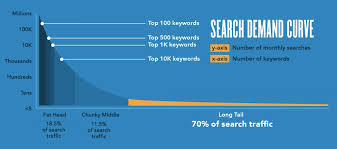
Long-tail keywords are named as such due to their unique characteristics that distinguish them from traditional short and generic keywords. The term “long-tail” refers to the statistical distribution curve that represents keyword popularity and search volume. While short keywords have high search volumes and competitiveness, long-tail keywords form the “long tail” of the curve, indicating less frequent but more specific search queries. These longer and more detailed keyword phrases create a “tail” that extends beyond the popular head of the curve, catering to niche audiences and capturing valuable traffic with higher conversion potential. The descriptive term “long-tail” encapsulates the essence of these targeted and specialised keywords that play a crucial role in enhancing digital marketing strategies through precision targeting and audience engagement.

What is a longtail phrase?

A long-tail phrase refers to a specific and detailed keyword phrase that typically consists of three or more words. Unlike short and generic keywords, long-tail phrases are more precise and targeted, often reflecting the specific intent or query of a user. These longer search queries are valuable in SEO as they help websites attract highly relevant traffic, improve conversion rates, and enhance visibility in search engine results pages. By incorporating long-tail phrases into content optimisation strategies, businesses can better align their offerings with the needs and preferences of their target audience, ultimately driving quality organic traffic and improving overall digital marketing performance.

What is an example of long-tail marketing?

An example of long-tail marketing can be seen in the strategy adopted by a niche online bookstore that specialises in rare and vintage books. Instead of targeting broad keywords like “books” or “online bookstore,” the business focuses on long-tail keywords such as “first edition signed Harry Potter book” or “vintage science fiction novels for sale.” By optimising their website and content around these specific, less competitive keywords, the bookstore attracts a highly targeted audience of book enthusiasts who are more likely to make purchases. This approach allows the bookstore to differentiate itself in a crowded market, drive relevant traffic, and increase sales through the power of long-tail marketing.

Are long-tail keywords good?

When considering the effectiveness of long-tail keywords in SEO strategies, it is important to recognise their inherent value in targeting specific user intents and capturing niche audiences. Long-tail keywords, with their longer and more specific phrases, have proven to be highly beneficial for businesses seeking to drive quality traffic and improve conversion rates. By focusing on long-tail keywords that align closely with user search queries, businesses can enhance their visibility in search engine results pages and establish themselves as authoritative sources within their respective industries. Therefore, it can be concluded that utilising long-tail keywords is indeed advantageous for enhancing the overall performance and success of SEO campaigns.

How do I find long-tail keywords for SEO?

When it comes to discovering long-tail keywords for SEO, the process typically begins with thorough keyword research. One effective approach is to utilise keyword research tools such as Google Keyword Planner, SEMrush, or Ahrefs to identify specific phrases that are relevant to your niche and have lower competition. Additionally, analysing your website’s search query data and examining user-generated content like customer reviews and forum discussions can offer valuable insights into long-tail keywords that align with user intent. By focusing on phrases that reflect the unique needs and preferences of your target audience, you can uncover hidden opportunities to optimise your content for long-tail SEO and attract high-converting traffic to your website.

The long tail of search refers to the concept in search engine optimisation (SEO) where a significant portion of search traffic comes from less popular, more specific, and longer keyword phrases. While traditional SEO strategies often focus on competitive short-tail keywords with high search volumes, the long tail comprises a vast array of niche, low-competition keywords that collectively contribute to a substantial amount of organic traffic. By targeting the long tail of search through optimising content for these specific and relevant keyword variations, businesses can attract highly qualified leads and improve their overall visibility in search engine results pages (SERPs).

What is longtail search term?

A long-tail search term refers to a specific and detailed keyword phrase that users enter into search engines when looking for precise information or products. Unlike broad and generic keywords, long-tail search terms are typically longer and more specific, targeting niche audiences with specific needs or intentions. These phrases often have lower search volumes but higher conversion rates, making them valuable for businesses seeking to attract highly targeted traffic and improve their online visibility. By focusing on long-tail search terms in SEO strategies, companies can better connect with their target audience and drive quality leads to their website.

An example of a long-tail search query could be “best vegan restaurants in London with outdoor seating.” This specific and detailed query indicates that the user is looking for vegan dining options in a particular location (London) and has a preference for outdoor seating. By incorporating various qualifiers and specifics, long-tail searches like this one help users find more relevant and tailored results that match their specific needs or preferences.

What is an example of a long-tail?

An example of a long-tail keyword in the context of SEO could be “best affordable vegan restaurants in London for brunch.” This specific and detailed phrase caters to users who are looking for a niche dining experience and are likely to convert into customers. By targeting long-tail keywords like this, businesses can attract qualified leads who have a clear intent, leading to higher conversion rates and improved search engine visibility.

What are examples of long-tail keywords?

Long-tail keywords are specific and detailed search phrases that users often use when looking for niche products or services. Examples of long-tail keywords include “best affordable vegan restaurants in London,” “luxury eco-friendly skincare products for sensitive skin,” and “how to train a rescue dog with separation anxiety.” These longer, more descriptive queries not only help users find exactly what they are looking for but also enable businesses to target highly relevant audiences and drive quality traffic to their websites. By incorporating such specific keywords into their content, businesses can enhance their online visibility and attract potential customers who are closer to making a purchase decision.

Why is long-tail important in SEO?

Long-tail keywords are crucial in SEO due to their ability to target specific, niche audiences effectively. By incorporating long-tail keywords into your SEO strategy, you can attract highly relevant traffic that is more likely to convert into leads or customers. These longer and more specific keyword phrases may have lower search volumes, but they often lead to higher conversion rates as they align closely with user intent. Additionally, focusing on long-tail SEO can help enhance your website’s visibility and authority in search engine results pages by catering to user queries with precision and relevance. Ultimately, prioritising long-tail keywords in your SEO efforts can improve user experience, increase organic traffic quality, and drive sustainable growth for your online business.

Is SEO dead or evolving in 2026?

The question of whether SEO is dead or evolving in 2026 is a common concern among digital marketers and website owners. Contrary to the misconception that SEO may become obsolete, the truth is that SEO is continuously evolving to adapt to changing search engine algorithms and user behaviours. In 2026, SEO is expected to remain a fundamental aspect of digital marketing strategies, albeit with a greater emphasis on user experience, quality content, and technical optimisation. As search engines become more sophisticated in understanding user intent and context, the role of SEO will shift towards providing valuable and relevant information to users. Therefore, rather than being declared dead, SEO in 2026 is likely to evolve into a more nuanced and user-centric practice that prioritises delivering meaningful results for both businesses and search engine users.

What is longtail marketing examples?

Long-tail marketing examples refer to specific instances where businesses leverage long-tail keywords or phrases in their marketing strategies to target niche audiences. For instance, an e-commerce store selling handmade leather bags may use long-tail keywords such as “hand-stitched leather crossbody bag” or “artisanal leather tote bag” to attract customers looking for unique and high-quality products. By incorporating these specific long-tail keywords into their product descriptions, blog posts, or advertising campaigns, the business can reach a more targeted audience interested in artisanal craftsmanship, thereby increasing the likelihood of conversion and customer engagement.

What is long-tail keyword example?

A common query regarding long-tail SEO is, “What is a long-tail keyword example?” Long-tail keywords are specific and detailed search phrases that users input when looking for precise information or products online. An example of a long-tail keyword could be “best vegan restaurants in London for brunch.” This phrase is more targeted and descriptive compared to a generic keyword like “vegan restaurants,” making it easier for businesses to attract highly relevant traffic and potential customers who are actively seeking specific offerings. By incorporating such long-tail keywords into their SEO strategy, businesses can enhance their visibility and connect with audiences that are more likely to convert.

What is a long-tail keyword examples?

Long-tail keywords are specific and detailed keyword phrases that users often search for when they have a clear intent or are looking for niche products or services. For example, instead of searching for a broad term like “shoes,” a long-tail keyword could be “women’s vegan leather ankle boots size 7.” This example demonstrates how long-tail keywords provide more context and specificity, making it easier for businesses to target potential customers who are closer to making a purchase decision. By incorporating such detailed phrases into their SEO strategy, businesses can attract highly relevant traffic and improve their chances of converting leads into loyal customers.

What is longtail SEO?

Long-tail SEO refers to a strategic approach in digital marketing that involves targeting longer and more specific keyword phrases, known as long-tail keywords, to enhance a website’s visibility and attract highly relevant traffic. Unlike traditional SEO, which focuses on broad and competitive keywords, long-tail SEO aims to capture the intent of users who are closer to making a purchase or seeking detailed information. By optimising content for these niche search queries, businesses can improve their search engine rankings, drive quality organic traffic, and increase conversion rates. In essence, long-tail SEO is about understanding the unique needs of your target audience and creating valuable content that aligns with their specific interests and search behaviours.

What is short-tail and long-tail in SEO?

In the realm of SEO, short-tail and long-tail keywords refer to two distinct types of search terms used to optimise website content for search engines. Short-tail keywords are typically shorter and more generic phrases, often consisting of one or two words. These keywords have high search volumes but are highly competitive. On the other hand, long-tail keywords are longer and more specific phrases that target niche audiences with lower search volumes but higher conversion rates. While short-tail keywords aim for broader visibility, long-tail keywords focus on capturing highly targeted traffic that is more likely to lead to valuable interactions or conversions on a website. By understanding the differences between short-tail and long-tail SEO strategies, businesses can effectively tailor their content to reach the right audience and improve their online visibility.

What is long-tail keywords examples?

Long-tail keywords are specific and detailed keyword phrases that users often search for when they have a clear intention or are seeking niche information. Examples of long-tail keywords include “best vegan restaurants in London”, “affordable eco-friendly skincare products”, or “how to train for a half-marathon as a beginner”. These longer and more descriptive phrases not only help users find precisely what they are looking for but also enable businesses to target a more focused audience with higher conversion potential. Incorporating such long-tail keywords into your SEO strategy can enhance the relevance and visibility of your content, ultimately driving qualified traffic to your website.

A long-tail keyword search refers to the practice of using longer and more specific keyword phrases to target niche audiences in search engine optimisation (SEO). Unlike generic keywords, long-tail keywords are highly specific and tailored to match the intent of users who are closer to making a purchase or seeking detailed information. By incorporating long-tail keywords into your SEO strategy, you can attract relevant traffic, improve your website’s visibility in search engine results pages, and increase the likelihood of converting leads into customers. This targeted approach allows businesses to reach a more qualified audience and enhance the overall effectiveness of their digital marketing efforts.

Why long-tail keywords are better?

Long-tail keywords are considered superior in search engine optimisation due to their specificity and relevance to user intent. Unlike generic keywords, long-tail keywords are more targeted and reflect the specific queries that users are likely to search for when they have a clear intention or need. By focusing on long-tail keywords, businesses can attract highly qualified traffic that is more likely to convert into leads or customers. Additionally, long-tail keywords often have lower competition levels, making it easier for websites to rank higher in search engine results pages (SERPs) and establish authority within their niche. Overall, the use of long-tail keywords in SEO strategies can lead to improved visibility, higher conversion rates, and a more tailored user experience.

Does Google use long-tail?

One frequently asked question regarding long-tail SEO is whether Google incorporates long-tail keywords into its search algorithm. The answer is yes – Google does consider long-tail keywords when determining search results. While Google’s algorithm prioritises relevance, quality, and user intent, incorporating long-tail keywords strategically can help websites attract more targeted traffic and improve their visibility in search engine results pages. By understanding the importance of long-tail SEO and crafting content that aligns with specific user queries, businesses can enhance their online presence and connect with audiences searching for niche information or products.

What is the 80 20 rule in long tailed keywords?

In the context of long-tail SEO, the 80/20 rule refers to the principle that roughly 80% of your website’s organic traffic and conversions are likely to come from around 20% of your long-tailed keywords. This means that a small subset of highly relevant and specific keywords can have a significant impact on driving quality traffic and generating valuable leads or sales for your business. By identifying and prioritising the top-performing long-tail keywords that resonate with your target audience’s search intent, you can optimise your content strategy to focus on these key terms and maximise your SEO efforts effectively.

What are long-tail keywords used for?

Long-tail keywords are used to target specific, niche audiences and capture highly relevant traffic that is closer to making a purchase or seeking specific information. By incorporating long-tail keywords into your content, you can attract users with clear intent, leading to higher conversion rates and improved engagement. These longer and more specific keyword phrases not only help enhance your website’s visibility in search engine results pages but also enable you to create valuable, targeted content that addresses the unique needs and interests of your target audience. Ultimately, long-tail keywords serve as a powerful tool in digital marketing strategies by driving quality traffic, increasing user engagement, and establishing authority within your industry.

What is a long tailed search strategy?

A long-tailed search strategy refers to a digital marketing approach that focuses on targeting specific, detailed, and often less competitive keyword phrases known as long-tail keywords. These longer and more specific search queries are typically used by users who are closer to making a purchasing decision or seeking highly specific information. By incorporating long-tail keywords into your SEO strategy, you can attract niche audiences, improve your website’s visibility in search engine results pages, and drive quality traffic that is more likely to convert into leads or customers. This strategic approach allows businesses to create tailored content that addresses the unique needs of their target audience, ultimately enhancing user experience and boosting conversions.
Mastering Tactful SEO Strategies for Online Success

The Art of Tactful SEO: Navigating the Digital Landscape

The Art of Tactful SEO: Navigating the Digital Landscape

In the fast-paced world of digital marketing, Search Engine Optimization (SEO) plays a crucial role in determining the online visibility and success of a business. However, merely implementing SEO strategies is not enough; what sets successful businesses apart is their ability to apply tactful SEO techniques.

Understanding Tactful SEO

Tactful SEO involves more than just incorporating keywords and building backlinks. It requires a strategic approach that considers not only search engine algorithms but also user intent and behaviour. By understanding the nuances of search engine ranking factors and user preferences, businesses can craft SEO strategies that resonate with their target audience.

The Elements of Tactful SEO

Effective keyword research forms the foundation of tactful SEO. By identifying relevant keywords that align with user queries, businesses can attract qualified traffic to their websites. Additionally, creating high-quality, engaging content that addresses user needs and provides value is essential for maintaining a strong online presence.

Furthermore, technical aspects such as website speed, mobile-friendliness, and secure browsing are crucial for enhancing user experience and ensuring higher search engine rankings. By optimising these technical elements, businesses can improve their website performance and visibility.

Adapting to Algorithm Changes

In the ever-evolving landscape of SEO, staying abreast of algorithm updates is paramount. Search engines continually refine their algorithms to deliver more accurate and relevant search results. Businesses that adapt quickly to these changes and adjust their SEO strategies accordingly are better positioned to maintain their online visibility and competitiveness.

The Role of Analytics in Tactful SEO

Analytical tools provide valuable insights into the performance of SEO strategies. By tracking key metrics such as organic traffic, conversion rates, and bounce rates, businesses can evaluate the effectiveness of their tactics and make data-driven decisions to optimise their campaigns further.

Conclusion

Tactful SEO goes beyond surface-level optimisation; it delves deep into understanding user behaviour, search engine algorithms, and industry trends. By adopting a strategic approach to SEO that focuses on relevance, quality, and adaptability, businesses can navigate the digital landscape successfully and achieve sustainable online growth.


9 Essential SEO Tips to Enhance Your Online Presence

  1. Understand your target audience and tailor your SEO strategy to meet their needs.
  2. Create high-quality, relevant content that provides value to users.
  3. Optimize your website’s on-page elements such as titles, meta descriptions, and headings.
  4. Focus on building natural backlinks from reputable websites in your industry.
  5. Improve your website’s loading speed for better user experience and SEO performance.
  6. Utilize social media channels to promote your content and engage with your audience.
  7. Regularly monitor and analyse your SEO performance using tools like Google Analytics and Search Console.
  8. Stay updated with the latest SEO trends and algorithm changes to adapt your strategy accordingly.
  9. Consider local SEO tactics if you have a physical location or target a specific geographic area.

Understand your target audience and tailor your SEO strategy to meet their needs.

To excel in tactful SEO, it is essential to comprehend your target audience thoroughly and customise your SEO approach to fulfil their requirements. By gaining insights into the preferences, behaviours, and search patterns of your audience, you can create targeted content that resonates with them. Tailoring your SEO strategy to address the specific needs and interests of your audience not only enhances user experience but also increases the likelihood of attracting qualified traffic to your website. This personalised approach is key to establishing a strong online presence and fostering lasting connections with your target demographic.

Create high-quality, relevant content that provides value to users.

To excel in tactful SEO, it is imperative to prioritise the creation of high-quality, relevant content that offers genuine value to users. By crafting content that addresses user needs, answers their queries, and provides valuable insights, businesses can establish credibility and build trust with their audience. Not only does this approach enhance user engagement and satisfaction, but it also signals to search engines that the website is a reliable source of information, ultimately improving its visibility and ranking in search results. Emphasising quality and relevance in content creation is a fundamental aspect of tactful SEO that can drive organic traffic and foster long-term success online.

Optimize your website’s on-page elements such as titles, meta descriptions, and headings.

To enhance your SEO strategy with tact, it is crucial to optimise your website’s on-page elements effectively. This includes crafting compelling titles, informative meta descriptions, and well-structured headings. By strategically incorporating relevant keywords into these elements, you can improve your website’s visibility in search engine results and attract more targeted traffic. Paying attention to these on-page details not only enhances user experience but also signals to search engines the relevance and quality of your content, ultimately boosting your site’s SEO performance.

To enhance your SEO strategy with tact, it is essential to concentrate on cultivating organic backlinks from respected websites within your industry. By prioritising the acquisition of natural backlinks, you not only improve your website’s authority and credibility in the eyes of search engines but also establish valuable connections with relevant sources. This approach not only boosts your search engine rankings but also enhances your brand’s reputation within your niche, fostering long-term success in the digital landscape.

Improve your website’s loading speed for better user experience and SEO performance.

Enhancing your website’s loading speed is a fundamental aspect of tactful SEO strategy. By prioritising faster loading times, you not only improve user experience but also boost your SEO performance. Search engines like Google consider page speed as a ranking factor, meaning that a faster website is more likely to rank higher in search results. Moreover, in today’s fast-paced digital landscape, users expect instant access to information, and a slow-loading website can lead to high bounce rates and diminished user engagement. By optimising your website’s loading speed, you create a smoother browsing experience for visitors and increase the likelihood of retaining their interest and driving organic traffic to your site.

Utilize social media channels to promote your content and engage with your audience.

To enhance your tactful SEO strategy, leverage social media channels as powerful tools to promote your content and foster meaningful engagement with your audience. By sharing valuable and relevant content across platforms such as Facebook, Twitter, Instagram, and LinkedIn, you can not only increase the visibility of your brand but also establish a direct line of communication with your target audience. Engaging with users through comments, messages, and discussions enables you to build relationships, gain insights into their preferences, and drive traffic back to your website. Incorporating social media into your SEO approach not only boosts brand awareness but also contributes to a holistic digital marketing strategy that resonates with users and search engines alike.

Regularly monitor and analyse your SEO performance using tools like Google Analytics and Search Console.

To enhance your SEO strategy with tact, it is essential to regularly monitor and analyse your performance using tools such as Google Analytics and Search Console. By leveraging these powerful tools, you can gain valuable insights into the effectiveness of your SEO efforts, track key metrics like website traffic and user engagement, and identify areas for improvement. Continuous monitoring and analysis allow you to make data-driven decisions, refine your strategies, and stay ahead in the dynamic digital landscape.

To excel in the realm of tactful SEO, it is imperative to stay abreast of the latest industry trends and algorithm updates. By remaining informed and proactive in monitoring changes in search engine algorithms, businesses can adjust their SEO strategies effectively to align with current best practices. Adapting swiftly to evolving trends ensures that your online presence remains competitive and optimised for maximum visibility and engagement with your target audience.

Consider local SEO tactics if you have a physical location or target a specific geographic area.

When implementing tactful SEO strategies, it is essential to consider local SEO tactics, especially if your business has a physical location or targets a specific geographic area. By focusing on local SEO techniques such as optimising Google My Business listings, incorporating location-specific keywords, and obtaining local backlinks, businesses can enhance their visibility among local audiences and improve their chances of attracting relevant traffic. This targeted approach not only increases the likelihood of appearing in local search results but also helps establish a stronger connection with potential customers in the area.

h1 h2 h3 seo

Unlocking the Power of SEO: A Comprehensive Guide with h2 and h3 Strategies

The Importance of SEO: A Comprehensive Guide

Understanding the Basics of SEO

SEO, or Search Engine Optimization, is a crucial aspect of digital marketing that focuses on improving a website’s visibility in search engine results. By optimising various elements such as content, keywords, and backlinks, SEO aims to drive organic traffic to a website and enhance its online presence.

The Benefits of Implementing SEO Strategies

Effective SEO strategies can have numerous benefits for businesses. By ranking higher in search engine results pages (SERPs), websites can attract more relevant traffic and potential customers. Additionally, a well-executed SEO campaign can establish credibility, increase brand awareness, and ultimately lead to higher conversion rates.

Key Components of Successful SEO

Keyword Research: Identifying relevant keywords that your target audience is searching for is essential for creating optimised content.

On-Page Optimization: Optimising meta tags, headings, and content with targeted keywords to improve search engine rankings.

Link Building: Acquiring high-quality backlinks from reputable websites to boost domain authority and increase visibility.

User Experience: Ensuring that your website is user-friendly, mobile-responsive, and provides valuable information to visitors.

The Evolving Landscape of SEO

As search engines continue to refine their algorithms, staying up-to-date with the latest trends and best practices in SEO is crucial. Factors such as mobile-friendliness, site speed, and user intent are now key considerations in achieving success in organic search rankings.

In Conclusion

In today’s competitive digital landscape, implementing effective SEO strategies is essential for businesses looking to stand out online. By understanding the fundamentals of SEO and staying abreast of industry developments, organisations can maximise their online visibility and reach their target audience effectively.

Contact us today to learn how our team of experts can help you elevate your SEO efforts and achieve sustainable growth in the digital realm.


Understanding H1, H2, and H3: Their Role in SEO and Beyond

  1. Does H1 H2 H3 matter SEO?
  2. What are H1, H2, H3, H4, H5, and H6 tags?
  3. What are H1 H2 H3 H4 H5 H6 tags?
  4. What is H1 H2 H3 HTML tag?
  5. What is the H1 H2 H3 system?
  6. What is H1 H2 H3 in business?

Does H1 H2 H3 matter SEO?

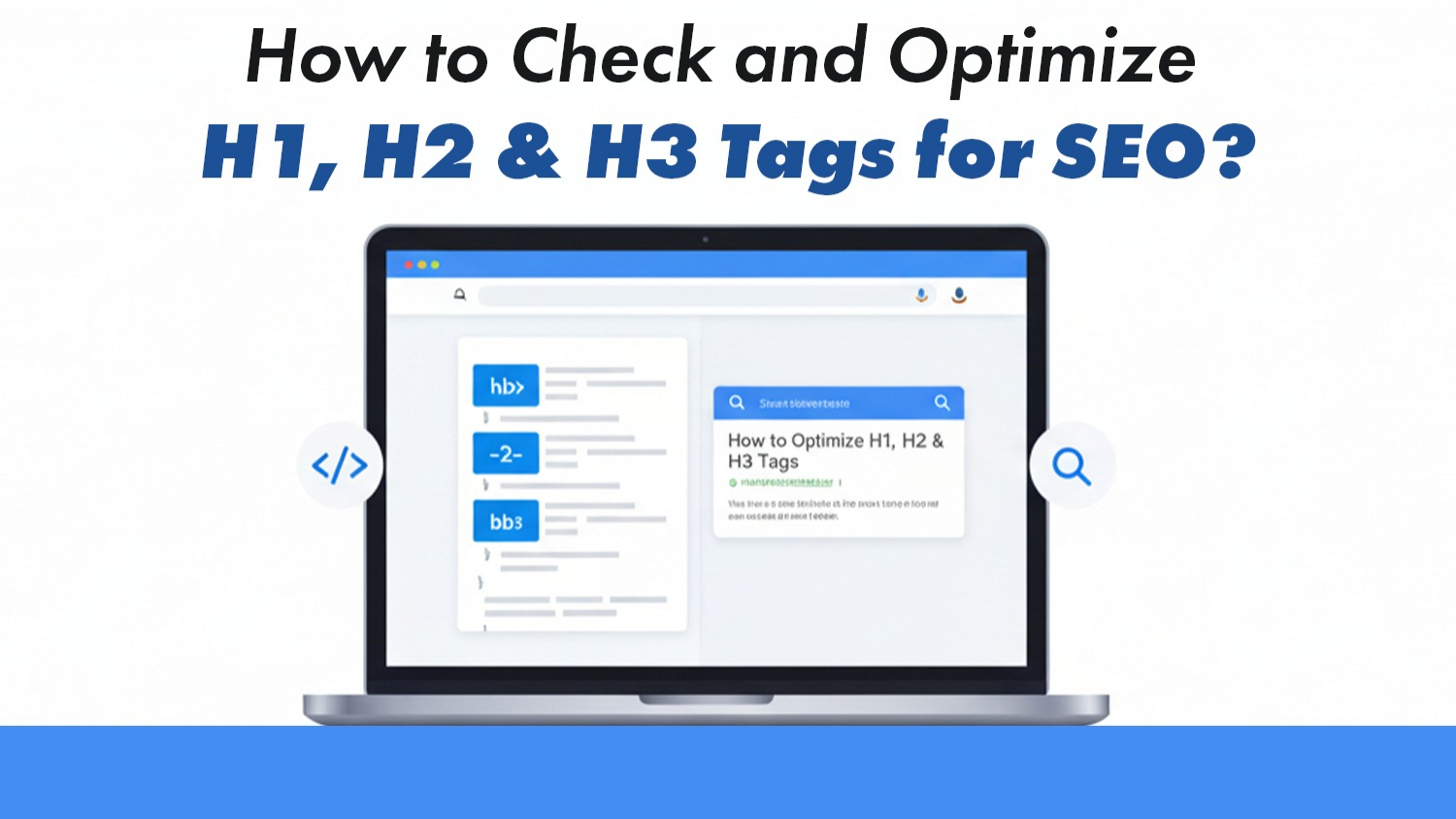
The use of H1, H2, and H3 headings plays a significant role in SEO. These heading tags help search engines understand the structure and hierarchy of content on a webpage. The H1 tag, typically used for the main heading of a page, carries more weight in terms of SEO than H2 and H3 tags. Properly utilising these heading tags not only improves the readability and organisation of content for users but also signals to search engines the importance of specific information on a webpage. Therefore, incorporating relevant keywords in H1, H2, and H3 headings can positively impact SEO by enhancing the overall visibility and ranking potential of a website.

What are H1, H2, H3, H4, H5, and H6 tags?

Understanding H1, H2, H3, H4, H5, and H6 Tags in SEO

In the realm of SEO, H1 to H6 tags refer to the hierarchy of heading elements used in HTML to structure content on a webpage. The H1 tag represents the main heading of a page and holds significant weight in terms of SEO as it communicates the primary topic or keyword. Subsequent headings such as H2, H3, H4, H5, and H6 tags are used to organise content hierarchically, with each level indicating a subheading that further segments and categorises information. Utilising these heading tags effectively not only enhances readability for users but also helps search engines better understand the structure and relevance of the content on a webpage, ultimately contributing to improved SEO performance.

What are H1 H2 H3 H4 H5 H6 tags?

Understanding H1, H2, H3, H4, H5, and H6 Tags in SEO

In the realm of SEO, H1, H2, H3, H4, H5, and H6 tags refer to HTML heading tags used to structure content on a webpage. The H1 tag is typically reserved for the main heading of a page and holds the highest importance in terms of SEO. Subheadings are then organised using H2 tags, followed by H3 tags for further subheadings. Utilising these heading tags not only helps search engines understand the hierarchy and context of your content but also improves readability for users. By strategically incorporating these tags with relevant keywords, websites can enhance their SEO performance and provide a better user experience.

What is H1 H2 H3 HTML tag?

The H1, H2, and H3 HTML tags are heading tags used to structure and organise content within a web page. The H1 tag represents the main heading of a page and is typically the largest and most important heading on the page. H2 tags are used for subheadings that are slightly less prominent than the main heading, while H3 tags further break down the content into subsections. By utilising these HTML tags effectively, web developers can improve the readability of their content, enhance user experience, and help search engines better understand the hierarchy and relevance of the information presented on a webpage.

What is the H1 H2 H3 system?

The H1, H2, and H3 system refers to the hierarchy of heading tags used in HTML to structure and organise content on a webpage. The H1 tag is typically used for the main title or heading of a page, conveying the primary topic or message. H2 tags are then used to subdivide the content into sections or subsections, providing a clear hierarchy beneath the main heading. Finally, H3 tags can be employed to further break down content within H2 sections. This systematic approach not only enhances readability for users but also helps search engines better understand and index the content, ultimately improving SEO performance.

What is H1 H2 H3 in business?

In the realm of business and digital marketing, H1, H2, and H3 refer to heading tags used in HTML coding to structure and organise content on a webpage. The H1 tag represents the main heading of a page and holds significant weight in terms of SEO as search engines use it to understand the primary topic of the content. H2 and H3 tags are subheadings that help break down the content into sections, making it more readable for both users and search engines. By utilising H1, H2, and H3 tags strategically, businesses can enhance their website’s SEO performance, improve user experience, and convey information in a clear and organised manner.

seo 2021

Unlocking Success: SEO Strategies for 2021

The Future of SEO in 2021

The Future of SEO in 2021

Search Engine Optimization (SEO) is constantly evolving, and staying ahead of the curve is crucial for digital marketers and businesses. As we move into 2021, several trends are shaping the future of SEO and how websites can rank higher in search engine results.

Voice Search Optimization

The rise of voice search technology, with devices like Amazon Echo and Google Home becoming increasingly popular, means that businesses need to optimize their content for voice queries. Long-tail keywords and natural language phrases are key to capturing voice search traffic.

Mobile-First Indexing

Google has shifted to mobile-first indexing, meaning that the mobile version of a website is now considered the primary version for ranking purposes. Websites must be responsive and provide a seamless user experience on mobile devices to rank well in search results.

Content Quality and User Intent

High-quality, relevant content that meets user intent is essential for SEO success in 2021. Search engines are increasingly prioritizing content that provides value to users, so focusing on creating informative, engaging content will be crucial for ranking well.

Featured Snippets and Zero-Click Searches

Featured snippets have become more prominent in search results, providing users with quick answers without having to click through to a website. Optimizing content for featured snippets can help increase visibility and drive organic traffic.

Local SEO and Google My Business

For businesses targeting local customers, optimizing for local search results through Google My Business is essential. Ensuring accurate business information, managing reviews, and engaging with customers can help improve local SEO rankings.

Technical SEO and Core Web Vitals

Technical aspects of SEO, such as site speed, mobile-friendliness, and security, play a significant role in rankings. Google’s Core Web Vitals update focuses on user experience metrics like loading speed and interactivity, making technical optimization more critical than ever.

Conclusion

In 2021, SEO continues to be a vital component of digital marketing strategies. By adapting to emerging trends like voice search optimization, mobile-first indexing, and user-focused content creation, businesses can stay ahead in the competitive online landscape and drive organic traffic to their websites.


9 Essential SEO Tips for 2021: Enhancing User Experience and Boosting Rankings

  1. Optimize for user intent, not just keywords.
  2. Create high-quality, valuable content that is relevant to your target audience.
  3. Improve website loading speed for better user experience and SEO ranking.
  4. Utilize long-tail keywords for more specific and targeted content.
  5. Optimize on-page elements such as title tags, meta descriptions, and headings.
  6. Focus on mobile optimization as mobile-first indexing is crucial for SEO success.
  7. Earn backlinks from reputable websites to increase domain authority and rankings.
  8. Regularly update and refresh old content to keep it relevant and engaging.
  9. Monitor performance using analytics tools to track progress and make data-driven decisions.

Optimize for user intent, not just keywords.

In the realm of SEO in 2021, a crucial tip to heed is the shift towards optimising for user intent rather than solely focusing on keywords. Understanding what users are searching for and tailoring content to meet their needs and expectations has become paramount in achieving success in search engine rankings. By creating valuable, relevant content that aligns with user queries and provides meaningful solutions, websites can enhance their visibility and engagement, ultimately driving organic traffic and improving overall SEO performance.

Create high-quality, valuable content that is relevant to your target audience.

In the realm of SEO for 2021, a fundamental tip is to focus on crafting high-quality and valuable content that resonates with your specific target audience. By creating content that is not only relevant but also informative and engaging, businesses can establish credibility, attract organic traffic, and ultimately improve their search engine rankings. Prioritising the needs and interests of your audience through quality content creation remains a cornerstone strategy in achieving SEO success in the ever-evolving digital landscape of 2021.

Improve website loading speed for better user experience and SEO ranking.

In the realm of SEO for 2021, a crucial tip to enhance both user experience and search engine ranking is to focus on improving website loading speed. A fast-loading website not only provides visitors with a seamless browsing experience but also aligns with search engines’ preference for delivering quick and relevant results. By optimising loading times, businesses can not only retain visitors but also boost their SEO performance, as search engines like Google consider page speed as a ranking factor. Prioritising website loading speed in SEO strategies for 2021 can lead to increased user engagement, higher conversion rates, and improved visibility in search results.

Utilize long-tail keywords for more specific and targeted content.

To enhance your SEO strategy in 2021, it is essential to incorporate long-tail keywords into your content. By utilising long-tail keywords, which are more specific and targeted phrases, you can better cater to the search intent of users and improve your chances of ranking higher in search engine results. These longer and more detailed keywords not only help drive relevant traffic to your website but also increase the likelihood of attracting potential customers who are actively seeking the products or services you offer. Embracing long-tail keywords can significantly boost the visibility and effectiveness of your online content in the competitive digital landscape of 2021.

Optimize on-page elements such as title tags, meta descriptions, and headings.

In the realm of SEO for 2021, a crucial tip is to meticulously optimise on-page elements like title tags, meta descriptions, and headings. These elements serve as vital signposts for search engines, guiding them on the relevance and context of your content. Crafting compelling and keyword-rich title tags, informative meta descriptions, and well-structured headings not only enhances the user experience but also boosts your website’s visibility in search engine results pages. By fine-tuning these on-page elements, businesses can significantly improve their SEO performance and attract more organic traffic to their website.

Focus on mobile optimization as mobile-first indexing is crucial for SEO success.

In 2021, focusing on mobile optimization is paramount for achieving SEO success. With the shift towards mobile-first indexing by search engines like Google, prioritising the mobile version of a website has become essential for ranking well in search results. Ensuring that your website is responsive, loads quickly on mobile devices, and provides a seamless user experience is key to improving visibility and driving organic traffic. Embracing mobile optimization strategies will not only enhance your SEO performance but also cater to the increasing number of users who rely on mobile devices for their online searches.

In the realm of SEO for 2021, a key strategy to enhance domain authority and improve search engine rankings is to acquire backlinks from reputable websites. Backlinks act as a vote of confidence from other sites, signalling to search engines that your content is valuable and trustworthy. By securing backlinks from high-quality, authoritative sources, businesses can bolster their online credibility and climb the ranks in search results. This approach not only boosts domain authority but also helps establish a strong digital footprint that resonates with both users and search algorithms.

Regularly update and refresh old content to keep it relevant and engaging.

In the dynamic landscape of SEO in 2021, a valuable tip is to consistently update and revitalise existing content to ensure its relevance and engagement with audiences. By refreshing older content with updated information, new insights, and improved visuals, businesses can not only maintain their search engine rankings but also enhance user experience and drive organic traffic to their websites. This proactive approach demonstrates a commitment to providing valuable and up-to-date content that resonates with users, ultimately contributing to improved SEO performance in the ever-evolving digital realm.

Monitor performance using analytics tools to track progress and make data-driven decisions.

In the realm of SEO for 2021, a crucial tip is to diligently monitor performance using analytics tools to track progress and make data-driven decisions. By leveraging analytics tools, businesses can gain valuable insights into how their SEO strategies are performing, allowing them to identify strengths, weaknesses, and areas for improvement. This data-driven approach empowers businesses to make informed decisions that optimise their SEO efforts for better visibility and success in the competitive digital landscape.

on page seo content

Unlocking the Potential of On-Page SEO Content: A Guide to Optimising Your Website

The Power of On-Page SEO Content

The Power of On-Page SEO Content

When it comes to search engine optimisation (SEO), on-page content plays a crucial role in determining the visibility and ranking of your website. On-page SEO content refers to the text, images, and multimedia elements that are present on individual web pages and are optimised for search engines.

Why On-Page SEO Content Matters

Effective on-page SEO content not only helps search engines understand the relevance of your website to specific keywords but also enhances the user experience. By creating high-quality, relevant, and engaging content, you can attract more organic traffic to your site and keep visitors engaged.

Key Elements of On-Page SEO Content

Keywords: Incorporating relevant keywords strategically throughout your content helps search engines identify the main topics of your web pages.

Title Tags: Optimising title tags with primary keywords can improve click-through rates from search engine results pages (SERPs).

Meta Descriptions: Compelling meta descriptions can entice users to click on your link in search results.

Headings: Using headings (H1, H2, etc.) helps structure your content and improve readability for both users and search engines.

Internal Links: Linking to other relevant pages within your website can improve navigation and increase dwell time.

Tips for Optimising On-Page SEO Content

To maximise the impact of your on-page SEO content, consider the following tips:

  • Create unique and valuable content that addresses user intent.
  • Avoid keyword stuffing and focus on natural incorporation of keywords.

In Conclusion

In conclusion, on-page SEO content is a fundamental aspect of any successful SEO strategy. By prioritising the creation of high-quality, relevant content that is optimised for both users and search engines, you can enhance your website’s visibility, attract more organic traffic, and ultimately achieve better rankings in search results.


Essential FAQs About Optimising On-Page SEO Content for Your Website

  1. What is on-page SEO content?
  2. Why is on-page SEO content important for websites?
  3. How can I optimise keywords in my on-page SEO content?
  4. What role do title tags play in on-page SEO?
  5. How do meta descriptions impact on-page SEO?
  6. Why are headings crucial for on-page SEO?
  7. What is the significance of internal links in on-page SEO content?
  8. How can I create unique and valuable on-page SEO content?
  9. Why is it essential to update and refresh on-page SEO content regularly?

What is on-page SEO content?

On-page SEO content refers to the textual, visual, and multimedia elements that are present on individual web pages and are optimised to improve the website’s visibility and ranking in search engine results. This content includes strategically placed keywords, meta tags, headings, internal links, and other elements that help search engines understand the relevance of the page to specific queries. By creating high-quality, engaging on-page SEO content that is relevant to users’ search intent, website owners can attract organic traffic, enhance user experience, and increase their chances of ranking higher in search engine results pages.

Why is on-page SEO content important for websites?

Effective on-page SEO content is vital for websites because it serves as the foundation for attracting organic traffic and improving search engine rankings. By optimising on-page content with relevant keywords, informative meta descriptions, and structured headings, websites can enhance their visibility and relevance to search engines. Quality on-page SEO content not only helps search engines understand the context of web pages but also provides valuable information to users, thereby improving user experience and engagement. Ultimately, prioritising on-page SEO content ensures that websites can effectively communicate their purpose, attract target audiences, and achieve sustainable online success.

How can I optimise keywords in my on-page SEO content?

Optimising keywords in your on-page SEO content is essential for improving your website’s visibility and relevance to search engines. To effectively optimise keywords, start by conducting thorough keyword research to identify relevant terms and phrases that align with your content and target audience. Once you have selected your keywords, strategically incorporate them into your title tags, meta descriptions, headings, and body content while maintaining a natural flow. Avoid keyword stuffing, as this can harm the user experience and lead to penalties from search engines. By creating high-quality, informative content that seamlessly integrates targeted keywords, you can enhance the discoverability of your website and attract organic traffic interested in your offerings.

What role do title tags play in on-page SEO?

Title tags play a crucial role in on-page SEO by serving as the clickable headline that appears in search engine results pages (SERPs). These tags not only provide a concise summary of the content on a web page but also help search engines understand the relevance of the page to specific keywords. Optimising title tags with relevant keywords can significantly impact click-through rates and improve the overall visibility and ranking of a website. By crafting compelling and keyword-rich title tags, website owners can enhance their SEO efforts and attract more organic traffic to their site.

How do meta descriptions impact on-page SEO?

Meta descriptions play a crucial role in on-page SEO by providing a concise summary of a web page’s content to both search engines and users. These snippets appear below the page title in search engine results, influencing click-through rates and user engagement. Optimising meta descriptions with relevant keywords and compelling language can attract more clicks, improving the visibility and ranking of the page. Additionally, well-crafted meta descriptions can enhance the user experience by accurately describing the content of the page, setting clear expectations for visitors before they click through. In essence, meta descriptions are a vital component of on-page SEO strategy, influencing both search engine algorithms and user behaviour.

Why are headings crucial for on-page SEO?

Headings play a crucial role in on-page SEO for several reasons. Firstly, headings help to structure the content of a web page, making it easier for both users and search engines to understand the hierarchy and main topics covered. Search engines use headings (such as H1, H2, etc.) to determine the relevance of the content to specific keywords, which can impact the ranking of the page in search results. Additionally, headings provide visual cues that improve readability and user experience, helping visitors to quickly scan and navigate through the content. By optimising headings with relevant keywords and maintaining a logical structure, websites can enhance their SEO performance and attract more organic traffic.

Internal links play a crucial role in on-page SEO content by connecting different pages within a website and establishing a hierarchical structure that search engines can crawl and index effectively. By strategically incorporating internal links, website owners can guide both users and search engines to relevant content, improving navigation and enhancing the overall user experience. Internal links help distribute link equity throughout the site, boosting the visibility of important pages and increasing the likelihood of higher rankings in search engine results. Proper use of internal links can also increase dwell time on the website, reduce bounce rates, and encourage visitors to explore more content, ultimately contributing to improved SEO performance.

How can I create unique and valuable on-page SEO content?

Creating unique and valuable on-page SEO content requires a strategic approach that combines creativity, relevance, and optimisation. Start by conducting thorough keyword research to identify relevant topics and phrases that align with your target audience’s search intent. Craft original and engaging content that provides valuable insights, answers questions, or solves problems for your readers. Structure your content with clear headings, subheadings, and bullet points to improve readability and user experience. Incorporate keywords naturally throughout the content while avoiding keyword stuffing. Regularly update and refresh your content to ensure it remains current and relevant to both users and search engines. By focusing on quality, relevance, and user experience, you can create on-page SEO content that stands out and drives organic traffic to your website.

Why is it essential to update and refresh on-page SEO content regularly?

Regularly updating and refreshing on-page SEO content is essential for maintaining the relevance and effectiveness of your website. Search engines favour fresh and up-to-date content, as it signals to them that your site is active and continuously providing value to users. By regularly revisiting and updating your on-page SEO content, you can ensure that it remains aligned with current search trends, user preferences, and algorithm updates. This practice not only improves your chances of ranking higher in search results but also enhances user experience by offering timely and accurate information. Keeping your content fresh demonstrates your commitment to quality and credibility, ultimately contributing to the long-term success of your SEO efforts.

organic search engine optimization

Unlocking the Potential of Organic Search Engine Optimization in the UK

The Power of Organic Search Engine Optimization

The Power of Organic Search Engine Optimization

Organic search engine optimization (SEO) is a vital digital marketing strategy that focuses on improving a website’s visibility in search engine results pages (SERPs) through unpaid, natural means. Unlike paid advertising, organic SEO aims to attract relevant traffic to a website by enhancing its online presence and relevance.

Key Components of Organic SEO:

Keyword Research: Identifying and targeting the right keywords that align with your business and audience is crucial for organic SEO success. By understanding search intent and user behaviour, you can create content that resonates with your target audience.

On-Page Optimization: Optimizing various on-page elements such as meta tags, headings, and content structure helps search engines understand the relevance of your web pages to specific queries. This also includes ensuring fast loading times and mobile responsiveness for better user experience.

Quality Content Creation: Producing high-quality, relevant, and engaging content not only attracts visitors but also earns backlinks from authoritative websites. Content that adds value to users is more likely to rank well in search results.

Link Building: Acquiring quality backlinks from reputable websites signals to search engines that your site is trustworthy and authoritative. Natural link building through outreach, guest posting, and creating shareable content plays a significant role in organic SEO.

The Benefits of Organic SEO:

Long-Term Results: While it may take time to see significant improvements in organic rankings, the benefits are long-lasting. A well-executed organic SEO strategy can drive consistent traffic and leads over time without ongoing ad spend.

Credibility and Trust: Websites that rank organically are perceived as more credible by users compared to paid listings. By appearing at the top of SERPs naturally, you build trust with your audience and establish authority in your industry.

Cost-Effectiveness: Organic SEO offers a cost-effective way to drive targeted traffic to your website compared to paid advertising. Once you achieve high rankings for relevant keywords, you can enjoy continuous visibility without paying for each click.

In Conclusion

In today’s competitive online landscape, organic search engine optimization is essential for businesses looking to increase their online visibility, attract quality traffic, and build brand credibility. By implementing a comprehensive organic SEO strategy that focuses on delivering valuable content and optimizing user experience, businesses can achieve sustainable growth and long-term success in the digital realm.


Top 7 Frequently Asked Questions About Organic Search Engine Optimisation

  1. What is organic search engine optimization?
  2. Why is organic SEO important for my website?
  3. How long does it take to see results from organic SEO efforts?
  4. What are the key components of a successful organic SEO strategy?
  5. Is content creation essential for organic SEO?
  6. How can link building benefit my organic search rankings?
  7. What are the differences between organic SEO and paid advertising?

What is organic search engine optimization?

Organic search engine optimization, often referred to as organic SEO, is a fundamental digital marketing strategy aimed at enhancing a website’s visibility in search engine results pages (SERPs) through natural, unpaid methods. This approach focuses on improving a site’s relevance and authority by optimising various elements such as keyword usage, content quality, and backlink profile. Unlike paid advertising, organic SEO aims to attract targeted traffic by earning top rankings based on the quality and relevance of the content provided. By understanding user intent and search engine algorithms, organic SEO helps businesses increase their online presence authentically and sustainably over time.

Why is organic SEO important for my website?

Organic SEO is crucial for your website as it plays a fundamental role in enhancing your online visibility and attracting targeted traffic. By optimising your website using organic SEO strategies such as keyword research, on-page optimisation, quality content creation, and link building, you can improve your search engine rankings and increase the chances of appearing on the first page of search results. This increased visibility not only drives more relevant traffic to your site but also helps establish credibility and trust with users. Organic SEO is cost-effective in the long run compared to paid advertising and provides sustainable results that can benefit your website’s performance and success over time.

How long does it take to see results from organic SEO efforts?

It is a common query among businesses embarking on organic search engine optimization to inquire about the timeframe for observing results from their efforts. The timeline for seeing tangible outcomes from organic SEO strategies can vary based on several factors, including the competitiveness of the industry, the current state of the website, and the effectiveness of the implemented tactics. Generally, it may take a few months to start noticing improvements in organic rankings and increased organic traffic. However, achieving significant and sustainable results often requires ongoing commitment, consistent monitoring, and continuous refinement of SEO initiatives to adapt to evolving search engine algorithms and user behaviours.

What are the key components of a successful organic SEO strategy?

When considering the key components of a successful organic SEO strategy, several crucial elements come into play. Firstly, conducting thorough keyword research to identify relevant and high-traffic keywords is essential for targeting the right audience. On-page optimization, including meta tags, headings, and content structure, plays a vital role in signalling to search engines the relevance of your web pages. Quality content creation that meets user intent and provides value is paramount for engaging visitors and earning backlinks. Additionally, building a strong link profile through reputable backlinks enhances website authority and credibility in the eyes of search engines. Combining these components strategically forms the foundation of a successful organic SEO strategy that drives sustainable visibility and traffic growth over time.

Is content creation essential for organic SEO?

Content creation is undeniably essential for organic SEO success. High-quality, relevant content not only attracts visitors to a website but also plays a significant role in improving search engine rankings. Search engines value fresh, informative content that addresses user queries and provides value. By creating engaging content that incorporates targeted keywords and meets the needs of the target audience, businesses can enhance their online visibility, drive organic traffic, and establish authority in their industry. In essence, content creation forms the foundation of a successful organic SEO strategy by helping websites rank higher in search results and connect with their desired audience effectively.

Link building plays a crucial role in enhancing organic search rankings by boosting the authority and credibility of a website. When reputable websites link back to your site, search engines view it as a vote of confidence in your content, signalling that your website is a valuable resource. These quality backlinks help search engines understand the relevance and trustworthiness of your site, ultimately improving its ranking in search results. Link building not only increases visibility but also drives organic traffic to your website, making it an essential component of a successful organic search engine optimization strategy.

What are the differences between organic SEO and paid advertising?

When comparing organic search engine optimization (SEO) with paid advertising, the key differences lie in their approach to driving traffic to a website. Organic SEO focuses on improving a website’s visibility in search engine results pages (SERPs) through unpaid, natural methods such as keyword optimization, content creation, and link building. In contrast, paid advertising involves investing money to display ads prominently in search results or on other platforms to attract immediate traffic. While organic SEO offers long-term sustainability and credibility by earning top rankings naturally, paid advertising provides instant visibility but requires ongoing investment for each click or impression. Ultimately, organic SEO prioritises building a strong online presence over time, while paid advertising delivers quick results through monetary investment.

black hat seo

Unveiling the Dark Side: Black Hat SEO Tactics Exposed

Understanding Black Hat SEO

The Dark Side of SEO: Black Hat Techniques Unveiled

Search Engine Optimization (SEO) is a vital component of any digital marketing strategy. It involves various techniques aimed at improving a website’s visibility on search engine results pages. While most SEO practices focus on enhancing user experience and providing valuable content, there exists a darker side known as Black Hat SEO.

What is Black Hat SEO?

Black Hat SEO refers to unethical tactics used to manipulate search engine algorithms for quick but unsustainable results. These techniques violate search engine guidelines and can result in penalties that harm a website’s ranking and reputation.

Common Black Hat Techniques

  • Keyword Stuffing: Overloading web pages with irrelevant keywords to manipulate rankings.
  • Cloaking: Presenting different content to search engines and users to deceive algorithms.
  • Link Farming: Creating artificial links from low-quality websites to boost link popularity.
  • Hidden Text: Hiding text by making it the same color as the background to deceive search engines.
  • Doorway Pages: Creating multiple pages with similar content solely for ranking purposes.

The Risks of Black Hat SEO

While Black Hat techniques may yield temporary gains, the risks far outweigh the benefits. Search engines like Google continuously update their algorithms to penalize websites engaging in manipulative practices. Penalties can range from lowered rankings to complete removal from search results, severely impacting online visibility and credibility.

The Importance of Ethical SEO

In contrast, White Hat SEO focuses on sustainable strategies that align with search engine guidelines and user intent. By prioritising quality content, relevant keywords, and natural link building, websites can achieve long-term success without risking penalties or reputational damage.

In Conclusion

Black Hat SEO may offer shortcuts, but the consequences are not worth the risk. To build a reputable online presence and establish trust with both users and search engines, businesses should invest in ethical SEO practices that prioritise quality, relevance, and user experience.


6 Advantages of Black Hat SEO: Rapid Results and Cost-Effective Strategies

  1. Quick results
  2. Cost-effective
  3. Increased traffic
  4. Competitive edge
  5. Easy implementation
  6. Testing ground


Six Major Drawbacks of Black Hat SEO Techniques

  1. Risk of search engine penalties and lower rankings
  2. Damage to website reputation and credibility
  3. Short-term gains with long-term consequences
  4. Potential loss of organic traffic and leads
  5. Increased likelihood of being deindexed by search engines
  6. Negative impact on user experience and trust

Quick results

Black Hat SEO techniques are often lauded for their ability to deliver rapid results in search engine rankings. By exploiting loopholes and manipulating algorithms, websites engaging in Black Hat practices may experience a sudden surge in visibility and traffic. While the allure of quick success is undeniable, it is essential to recognise that these gains are typically short-lived and come with significant risks. Search engines are becoming increasingly adept at detecting and penalising Black Hat tactics, ultimately leading to long-term harm to a website’s reputation and online presence. Therefore, while the promise of swift improvements may be tempting, businesses must consider the lasting consequences of pursuing such unethical strategies.

Cost-effective

While it is true that some Black Hat SEO tactics may appear cost-effective as they require minimal investment compared to White Hat strategies, it is important to consider the long-term implications. While Black Hat techniques may provide short-term gains at a lower cost, the risk of incurring penalties from search engines and damaging a website’s reputation far outweigh any initial savings. Investing in ethical and sustainable White Hat SEO practices not only ensures compliance with search engine guidelines but also contributes to long-lasting success and credibility in the digital landscape.

Increased traffic

Manipulative techniques employed in Black Hat SEO, such as keyword stuffing, have the potential to generate a short-term increase in website traffic. By excessively incorporating keywords into web content, websites may experience a temporary surge in visibility on search engine results pages. While this tactic can attract more visitors to the site initially, it is important to note that sustained success and credibility in the long term are unlikely with such practices. Search engines value quality and relevance, making ethical SEO strategies essential for building organic and lasting traffic growth.

Competitive edge

Utilising Black Hat SEO techniques can offer a competitive edge by potentially providing a temporary advantage over competitors who adhere strictly to ethical SEO practices. By exploiting loopholes and manipulating search engine algorithms, websites engaging in Black Hat tactics may see a rapid rise in rankings and visibility. However, it’s important to note that this advantage is short-lived and comes with significant risks, including penalties and long-term damage to online reputation. Ultimately, sustainable success lies in ethical SEO strategies that prioritise quality content, user experience, and long-term growth.

Easy implementation

Some proponents of Black Hat SEO highlight its ease of implementation as a significant advantage. Certain Black Hat techniques are relatively straightforward to execute, demanding minimal time and effort compared to legitimate SEO strategies. This simplicity can appeal to those seeking quick results or looking for shortcuts to improve search engine rankings. However, it is crucial to recognise that the ease of implementation comes with inherent risks, as search engines are increasingly adept at detecting and penalising manipulative tactics, ultimately jeopardising the long-term success and credibility of a website.

Testing ground

Exploring Black Hat SEO as a testing ground can provide businesses with valuable insights into the boundaries and potential risks of unethical tactics. By experimenting with these practices, businesses can gain a deeper understanding of the consequences associated with manipulative strategies, allowing them to make informed decisions about their digital marketing approach. This experimental phase can serve as a learning experience, highlighting the importance of ethical SEO practices and guiding businesses towards sustainable and compliant strategies that prioritise long-term success and credibility.

Risk of search engine penalties and lower rankings

Engaging in Black Hat SEO practices poses a significant risk of incurring search engine penalties and experiencing lower rankings. Search engines like Google are constantly evolving to detect and penalise websites that employ unethical tactics to manipulate their algorithms. Websites found using Black Hat techniques may face severe consequences, including a drop in rankings or even removal from search results altogether. Such penalties not only harm a website’s visibility but also tarnish its reputation, making it crucial for businesses to prioritise ethical SEO strategies to maintain long-term success online.

Damage to website reputation and credibility

Engaging in Black Hat SEO techniques can lead to severe consequences, including significant damage to a website’s reputation and credibility. By employing unethical tactics such as keyword stuffing, cloaking, or link farming, a website risks being perceived as untrustworthy and manipulative by both search engines and users. Once search engines detect these deceptive practices, they may penalise the site by lowering its rankings or even removing it from search results altogether. As a result, the website’s credibility takes a hit, potentially leading to loss of trust from visitors and customers who value authenticity and transparency online. Building a strong reputation takes time and effort, and resorting to Black Hat SEO can tarnish that reputation irreparably.

Short-term gains with long-term consequences

Engaging in Black Hat SEO tactics may provide businesses with short-term gains in terms of increased website traffic or higher search engine rankings. However, these immediate benefits come at a high cost of long-term consequences. Search engines are becoming increasingly adept at detecting and penalising websites that employ unethical SEO practices. As a result, the long-term repercussions of using Black Hat techniques can include severe penalties such as being deindexed or losing credibility with both search engines and users. It is crucial for businesses to prioritise sustainable White Hat SEO strategies to build a strong online presence that withstands the test of time.

Potential loss of organic traffic and leads

Engaging in Black Hat SEO practices poses the significant con of potential loss of organic traffic and leads for a website. Search engines penalise websites that employ unethical tactics, leading to a drop in search rankings and visibility. As a result, the website may experience a decrease in organic traffic from users who rely on search engines to discover relevant content. This loss of visibility not only impacts traffic but also hinders the generation of quality leads, ultimately undermining the long-term sustainability and growth of the business online. It highlights the importance of adhering to ethical SEO strategies to maintain organic traffic and secure valuable leads over time.

Increased likelihood of being deindexed by search engines

Engaging in Black Hat SEO practices significantly raises the risk of being deindexed by search engines. Search engines like Google have strict guidelines in place to ensure fair and relevant search results for users. By employing unethical tactics such as keyword stuffing, cloaking, or link farming, websites run the danger of facing severe penalties, including being completely removed from search engine results pages. Being deindexed not only diminishes online visibility but also tarnishes a website’s reputation, making it crucial for businesses to prioritise ethical SEO strategies to maintain long-term success and credibility in the digital landscape.

Negative impact on user experience and trust

Engaging in Black Hat SEO tactics can have a detrimental effect on user experience and erode trust with both visitors and search engines. By employing deceptive practices such as keyword stuffing, cloaking, or hidden text, websites risk providing users with irrelevant or misleading content. This not only leads to a frustrating browsing experience but also damages the credibility of the website in the eyes of users. When trust is compromised, visitors are less likely to return to the site, resulting in decreased traffic and conversions. Ultimately, prioritising ethical SEO practices is essential for maintaining a positive user experience and building long-term trust with your audience.

seo keyword finder

Unlocking Success: The Ultimate Guide to SEO Keyword Finder Tools in Digital Marketing

The Power of SEO Keyword Finder in Digital Marketing

The Power of SEO Keyword Finder in Digital Marketing

SEO keyword finder tools have become indispensable in the world of digital marketing. These tools play a crucial role in helping businesses identify the most relevant keywords that can drive organic traffic to their websites and improve their search engine rankings.

Understanding the Importance of Keywords

Keywords are the foundation of any successful SEO strategy. They are the words and phrases that users type into search engines when looking for information, products, or services. By targeting the right keywords, businesses can attract their target audience and increase their online visibility.

How SEO Keyword Finder Tools Work

SEO keyword finder tools work by analysing search trends, competition levels, and user behaviour to suggest relevant keywords for a specific industry or niche. These tools provide valuable insights into which keywords are popular, how competitive they are, and how likely they are to drive traffic to a website.

The Benefits of Using SEO Keyword Finder Tools

There are several benefits to using SEO keyword finder tools:

  • Improved Search Engine Rankings: By targeting high-ranking keywords, businesses can improve their visibility on search engine results pages.
  • Increased Organic Traffic: Targeting relevant keywords can attract more organic traffic to a website, leading to higher conversion rates.
  • Better Understanding of User Intent: Keyword research helps businesses understand what their target audience is searching for online, allowing them to create content that meets user needs.
  • Competitive Advantage: By identifying niche keywords with lower competition levels, businesses can gain a competitive edge in their industry.

Choosing the Right SEO Keyword Finder Tool

There are numerous SEO keyword finder tools available in the market, each offering unique features and functionalities. When selecting a tool for your business, consider factors such as accuracy of keyword suggestions, ease of use, pricing, and integration capabilities with other digital marketing tools.

In Conclusion

In conclusion, SEO keyword finder tools are essential for any business looking to enhance its online presence and reach its target audience effectively. By leveraging these tools to identify and target the right keywords, businesses can significantly improve their search engine rankings and drive organic traffic to their websites.


7 Essential Tips for Effective SEO Keyword Research

  1. Understand your target audience and their search intent
  2. Use keyword research tools like Google Keyword Planner or SEMrush
  3. Focus on long-tail keywords for more specific targeting
  4. Analyse competitor keywords to identify opportunities
  5. Consider search volume, competition, and relevance when selecting keywords
  6. Include keywords naturally in your content to improve SEO
  7. Regularly review and update your keyword strategy based on performance

Understand your target audience and their search intent

Understanding your target audience and their search intent is paramount when using an SEO keyword finder tool. By delving into the mindset of your audience and comprehending what they are searching for, you can select keywords that align with their needs and preferences. This approach not only helps in driving relevant traffic to your website but also enhances user experience by providing content that directly addresses their queries. Ultimately, by focusing on understanding your target audience and their search intent, you can tailor your SEO strategy effectively to attract the right visitors and improve your online visibility.

Use keyword research tools like Google Keyword Planner or SEMrush

To enhance your SEO strategy, consider utilising keyword research tools such as Google Keyword Planner or SEMrush. These tools provide valuable insights into search trends, competition levels, and the effectiveness of specific keywords. By leveraging the data and recommendations offered by these tools, businesses can identify high-performing keywords to target in their content, ultimately improving their search engine rankings and attracting more organic traffic to their websites.

Focus on long-tail keywords for more specific targeting

Focusing on long-tail keywords is a valuable tip when using an SEO keyword finder tool. Long-tail keywords are longer, more specific phrases that target a niche audience with higher intent. By incorporating long-tail keywords into your SEO strategy, you can attract highly targeted traffic to your website, resulting in better engagement and conversion rates. These keywords often have lower competition levels, making it easier for your content to rank higher in search engine results pages. Emphasising long-tail keywords in your SEO efforts can lead to more effective targeting and ultimately improve the overall performance of your digital marketing campaigns.

Analyse competitor keywords to identify opportunities

Analysing competitor keywords is a valuable strategy when using an SEO keyword finder tool. By studying the keywords that competitors are ranking for, businesses can uncover untapped opportunities to target similar or related keywords that may have high search volume and lower competition. This approach not only provides insights into what is working well for competitors but also allows businesses to strategically position themselves in the same space, ultimately boosting their own search engine rankings and attracting relevant organic traffic to their website.

Consider search volume, competition, and relevance when selecting keywords

When utilising an SEO keyword finder tool, it is crucial to consider three key factors: search volume, competition, and relevance. Search volume indicates how frequently a keyword is searched for on search engines, helping you target terms that are in high demand. Assessing competition levels allows you to gauge the difficulty of ranking for a particular keyword against other websites. Lastly, ensuring relevance ensures that the chosen keywords align with your content and target audience, increasing the likelihood of attracting qualified traffic to your site. By carefully evaluating these aspects when selecting keywords, you can craft a robust SEO strategy that drives organic traffic and improves your search engine rankings effectively.

Include keywords naturally in your content to improve SEO

Including keywords naturally in your content is a fundamental tip for enhancing SEO. By seamlessly integrating relevant keywords into your website content, you not only improve search engine visibility but also provide valuable information to your audience. Avoid keyword stuffing and focus on creating high-quality, engaging content that naturally incorporates key terms related to your business or industry. This approach not only boosts SEO but also enhances the overall user experience, ultimately driving more organic traffic to your site.

Regularly review and update your keyword strategy based on performance

It is crucial to regularly review and update your keyword strategy based on performance when utilising an SEO keyword finder. By analysing the effectiveness of your chosen keywords in driving traffic and improving search engine rankings, you can identify trends, opportunities, and areas for improvement. This proactive approach ensures that your keyword strategy remains relevant and aligns with the evolving landscape of search engine algorithms, ultimately helping to maximise the impact of your digital marketing efforts.

seo writing

Unlocking the Secrets of Effective SEO Writing Strategies

The Power of SEO Writing

The Power of SEO Writing

SEO writing is a crucial element in the world of digital content creation. It involves crafting content that is not only engaging and informative but also optimised for search engines. In today’s competitive online landscape, having a solid grasp of SEO writing can make all the difference in driving traffic to your website and reaching your target audience.

What is SEO Writing?

SEO writing, or search engine optimisation writing, is the practice of creating content that is tailored to rank well in search engine results pages (SERPs). This involves incorporating relevant keywords, meta tags, and other SEO best practices to ensure that your content is easily discoverable by users searching for related topics.

The Benefits of SEO Writing

Effective SEO writing can have a significant impact on your online visibility and organic traffic. By optimising your content for search engines, you increase the likelihood of your website appearing higher in search results, ultimately driving more qualified traffic to your site. Additionally, well-optimised content can enhance user experience and encourage engagement with your brand.

Key Elements of SEO Writing

When creating SEO-friendly content, it’s essential to consider various key elements, including:

  • Keyword Research: Identifying relevant keywords that align with your target audience’s search intent.
  • Title Tags and Meta Descriptions: Crafting compelling titles and meta descriptions that entice users to click through to your website.
  • Quality Content: Creating high-quality, valuable content that addresses the needs and interests of your audience.
  • Internal Linking: Linking to other relevant pages within your website to improve navigation and user experience.

Tips for Effective SEO Writing

To excel in SEO writing, consider the following tips:

  1. Create Unique Content: Avoid duplicate content and strive to offer fresh insights and perspectives in your writing.
  2. Optimise for User Intent: Understand what users are searching for and tailor your content to meet their needs.
  3. Maintain Readability: Use clear language, headings, and formatting to enhance readability for both users and search engines.
  4. Monitor Performance: Regularly analyse the performance of your content using tools like Google Analytics to make data-driven improvements.

In Conclusion

In conclusion, mastering the art of SEO writing is essential for any business looking to succeed online. By implementing effective SEO strategies into your content creation process, you can enhance visibility, attract more organic traffic, and ultimately achieve greater success in the digital realm.


Top 6 Benefits of SEO Writing: Boosting Visibility, Rankings, and Credibility

  1. Increased online visibility
  2. Higher search engine rankings
  3. Targeted audience engagement
  4. Improved organic traffic
  5. Enhanced user experience
  6. Greater brand credibility


7 Drawbacks of SEO Writing: Challenges and Considerations

  1. 1. Time-Consuming
  2. 2. Constant Updates
  3. 3. Keyword Stuffing
  4. 4. Competitive Landscape
  5. 5. Limited Creativity
  6. 6. Technical Knowledge Required
  7. 7. Uncertain Results

Increased online visibility

Increased online visibility is a key benefit of SEO writing. By optimising content with relevant keywords and SEO best practices, businesses can improve their search engine rankings and attract more organic traffic to their websites. Enhanced online visibility not only helps in reaching a wider audience but also establishes credibility and authority in the digital space. With increased visibility, businesses have a greater chance of connecting with potential customers and driving conversions, ultimately leading to growth and success in the competitive online landscape.

Higher search engine rankings

One of the key benefits of SEO writing is the ability to achieve higher search engine rankings. By strategically incorporating relevant keywords and optimising content for search engines, businesses can improve their visibility in search results. Higher search engine rankings not only increase organic traffic to websites but also enhance brand awareness and credibility, ultimately leading to greater online exposure and potential for attracting a larger audience of interested users.

Targeted audience engagement

One significant advantage of SEO writing is its ability to facilitate targeted audience engagement. By incorporating relevant keywords and optimising content for search engines, businesses can attract a specific audience interested in their products or services. This targeted approach ensures that the content resonates with the right demographic, leading to higher engagement levels, increased interaction, and ultimately, greater conversion rates. SEO writing enables businesses to connect with their desired audience on a deeper level, fostering meaningful relationships and driving sustainable growth in the digital landscape.

Improved organic traffic

One of the key advantages of SEO writing is its ability to enhance organic traffic to your website. By strategically incorporating relevant keywords and optimising your content for search engines, you can increase the visibility of your site in search results. This improved visibility not only attracts more visitors but also ensures that they are highly targeted, leading to a higher likelihood of converting them into valuable customers or clients. Ultimately, the boost in organic traffic generated through effective SEO writing can significantly contribute to the overall success and growth of your online presence.

Enhanced user experience

One of the key benefits of SEO writing is the enhancement of user experience. By creating content that is not only optimised for search engines but also tailored to meet the needs and interests of your target audience, you can provide a more engaging and valuable experience for users visiting your website. Well-structured, informative, and easy-to-navigate content not only attracts visitors but also keeps them on your site longer, increasing the likelihood of conversions and building trust in your brand. Ultimately, prioritising user experience through SEO writing can lead to higher levels of engagement, improved customer satisfaction, and long-term loyalty from your audience.

Greater brand credibility

One significant advantage of SEO writing is the enhancement of brand credibility. By consistently producing high-quality, SEO-optimised content that ranks well in search engine results, businesses can establish themselves as authoritative sources within their industry. This increased visibility and credibility not only attract more organic traffic but also instil trust and confidence in potential customers, ultimately leading to stronger brand recognition and loyalty.

1. Time-Consuming

One significant drawback of SEO writing is its time-consuming nature. Crafting SEO-optimised content involves meticulous research, strategic keyword selection, and thoughtful planning to ensure that the content aligns with search engine algorithms. This process can be labour-intensive and time-consuming, requiring writers to invest considerable effort in understanding target audiences and industry trends to produce effective SEO content that resonates with both search engines and readers.

2. Constant Updates

One significant drawback of SEO writing is the need for constant updates. Search engine algorithms undergo frequent changes, requiring continuous adjustments to ensure the effectiveness of SEO strategies. This dynamic nature of search engine algorithms means that what works well today may not yield the same results tomorrow. As a result, staying on top of these updates and adapting content accordingly can be a time-consuming and ongoing challenge for businesses aiming to maintain their search engine visibility and rankings.

3. Keyword Stuffing

An inherent con of SEO writing is keyword stuffing, where writers excessively use keywords in an effort to improve search engine rankings. However, this practice can have detrimental effects on the overall quality and readability of the content. When keywords are unnaturally inserted into the text, it can disrupt the flow of the writing and make it appear spammy to both readers and search engines. As a result, instead of enhancing the content’s visibility, keyword stuffing may lead to a negative user experience and potential penalties from search engines for manipulative tactics.

4. Competitive Landscape

In the realm of SEO writing, one significant drawback is the highly competitive landscape that exists within the online market. With an abundance of content available on the internet, it becomes increasingly challenging for businesses to differentiate themselves and capture the attention of their target audience solely through SEO writing efforts. Standing out amidst this saturation requires not only strategic SEO practices but also a unique and compelling approach to content creation that goes beyond traditional search engine optimisation techniques.

5. Limited Creativity

One significant drawback of SEO writing is the limitation it imposes on creativity. When writers overly prioritise SEO requirements, there is a risk of stifling creative freedom and originality in their content. The pressure to incorporate specific keywords or adhere strictly to SEO guidelines can sometimes hinder the natural flow of writing and impede the development of unique, engaging narratives. Striking a balance between optimising for search engines and maintaining artistic expression is essential to ensure that content remains both discoverable and captivating for readers.

6. Technical Knowledge Required

One significant drawback of SEO writing is the technical knowledge required to effectively implement SEO principles and utilise relevant tools. For writers lacking a technical background, grasping the intricacies of SEO can be challenging. Understanding algorithms, keyword research, and analytics may seem complex and overwhelming, making it difficult to optimise content for search engines without the necessary expertise. This barrier can hinder writers from fully harnessing the power of SEO and achieving optimal results in their digital content strategies.

7. Uncertain Results

In the realm of SEO writing, one notable drawback is the uncertainty surrounding results. Despite dedicating time and resources to optimise content for search engines, there remains no assurance of immediate or substantial enhancements in search engine rankings. This unpredictability can be frustrating for businesses seeking quick and tangible outcomes from their SEO efforts, as the impact of optimisation strategies may not always yield the desired results within a short timeframe.

search engine positioning

Mastering Search Engine Positioning Strategies for Online Success

The Importance of Search Engine Positioning

The Importance of Search Engine Positioning

Search engine positioning, also known as search engine ranking or search engine placement, refers to the position at which a website appears in the search engine results pages (SERPs) for a specific keyword or query. It is a crucial aspect of digital marketing and can have a significant impact on the visibility and success of a website.

Why is Search Engine Positioning Important?

Visibility: Websites that appear higher in the search results are more likely to be seen by users. Improved visibility can lead to increased website traffic and brand awareness.

Traffic: Higher search engine positioning can result in more organic traffic to your website. Users tend to click on the top results displayed by search engines, so being ranked higher can drive more visitors to your site.

Credibility: Websites that rank well in search engines are often perceived as more credible and trustworthy by users. A high search engine position can enhance your brand’s reputation and authority in your industry.

How to Improve Search Engine Positioning

Keyword Research: Identify relevant keywords that your target audience is searching for and incorporate them strategically into your website content.

On-Page SEO: Optimise your website’s meta tags, headings, images, and content for targeted keywords to improve its relevance and visibility to search engines.

Quality Content: Create high-quality, engaging content that provides value to users. Content that is informative, unique, and relevant is more likely to attract links and improve search engine rankings.

Link Building: Build quality backlinks from reputable websites to increase your site’s authority and credibility in the eyes of search engines.

The Future of Search Engine Positioning

In an increasingly competitive online landscape, staying ahead in search engine positioning requires continuous effort and adaptation. With advancements in artificial intelligence and machine learning algorithms, search engines are becoming smarter at understanding user intent and delivering relevant results.

To succeed in the future of search engine positioning, businesses need to focus on providing valuable content, enhancing user experience, and staying updated with SEO best practices.


Six Essential Strategies for Enhancing Your Website’s Search Engine Positioning

  1. Create high-quality and relevant content for your website.
  2. Use relevant keywords strategically in your content and meta tags.
  3. Optimize your website’s loading speed for better user experience.
  4. Build quality backlinks from reputable websites in your industry.
  5. Utilize social media to promote your website and increase visibility.
  6. Regularly monitor and analyse your website’s performance using analytics tools.

Create high-quality and relevant content for your website.

Creating high-quality and relevant content for your website is a fundamental tip for improving search engine positioning. Search engines value content that is informative, engaging, and tailored to the needs of users. By crafting content that addresses key topics in your industry and provides valuable insights, you not only attract visitors to your site but also enhance its credibility and authority. Quality content not only helps in boosting organic traffic but also encourages other websites to link back to yours, further strengthening your website’s search engine rankings.

Use relevant keywords strategically in your content and meta tags.

To improve your search engine positioning, it is essential to use relevant keywords strategically in your content and meta tags. By incorporating targeted keywords that align with what your target audience is searching for, you enhance the visibility and relevance of your website to search engines. This practice not only helps search engines understand the focus of your content but also increases the likelihood of your website appearing higher in search results for those specific keywords, driving more organic traffic to your site.

Optimize your website’s loading speed for better user experience.

Optimising your website’s loading speed is a crucial tip for improving search engine positioning. A faster loading website not only enhances user experience by reducing waiting times but also signals to search engines that your site is well-maintained and user-friendly. By prioritising loading speed optimisation, you can increase the likelihood of retaining visitors, reducing bounce rates, and ultimately boosting your site’s visibility and ranking in search engine results pages.

Building quality backlinks from reputable websites within your industry is a highly effective strategy to improve your search engine positioning. When you receive backlinks from authoritative and relevant sources, search engines view your website as more trustworthy and valuable to users. These backlinks not only enhance your site’s credibility but also signal to search engines that your content is worth ranking higher in search results. By establishing strong connections with reputable websites in your industry, you can boost your website’s visibility and authority, ultimately driving more organic traffic and improving your online presence.

Utilize social media to promote your website and increase visibility.

Utilising social media platforms to promote your website is a powerful strategy to enhance search engine positioning and increase visibility online. By sharing engaging content, interacting with your audience, and driving traffic back to your website through social channels, you can boost brand awareness and attract more visitors. Social signals from platforms like Facebook, Twitter, and Instagram can also influence search engine rankings, making it essential to incorporate social media marketing into your overall digital strategy for improved online presence and reach.

Regularly monitor and analyse your website’s performance using analytics tools.

Regularly monitoring and analysing your website’s performance using analytics tools is a crucial tip for effective search engine positioning. By tracking key metrics such as traffic sources, user behaviour, and conversion rates, you can gain valuable insights into how your website is performing in search results. This data allows you to identify areas for improvement, measure the impact of your SEO efforts, and make informed decisions to optimise your website for better visibility and higher rankings on search engines.