search engine ranking keyword

Unlocking the Power of Search Engine Ranking Keywords

The Importance of Search Engine Ranking Keywords

The Importance of Search Engine Ranking Keywords

In the world of digital marketing, search engine ranking keywords play a crucial role in determining the visibility and success of a website. These keywords are the phrases or terms that users type into search engines when looking for information, products, or services. By strategically incorporating relevant keywords into website content, businesses can improve their search engine rankings and attract more organic traffic.

How Search Engine Ranking Keywords Work

Search engines use complex algorithms to determine the relevance of web pages to a user’s search query. Keywords help search engines understand the content and purpose of a webpage, making it easier for them to match relevant pages with user queries. Websites that effectively incorporate high-quality keywords are more likely to appear at the top of search engine results pages (SERPs), increasing their visibility to potential customers.

Choosing the Right Keywords

Effective keyword research is essential for identifying the terms and phrases that are most relevant to your target audience. By understanding the search intent behind specific keywords, businesses can create content that addresses users’ needs and interests. It’s important to choose keywords that have a balance between search volume (popularity) and competition (difficulty), ensuring that your website has a chance to rank well for those terms.

Optimising Website Content

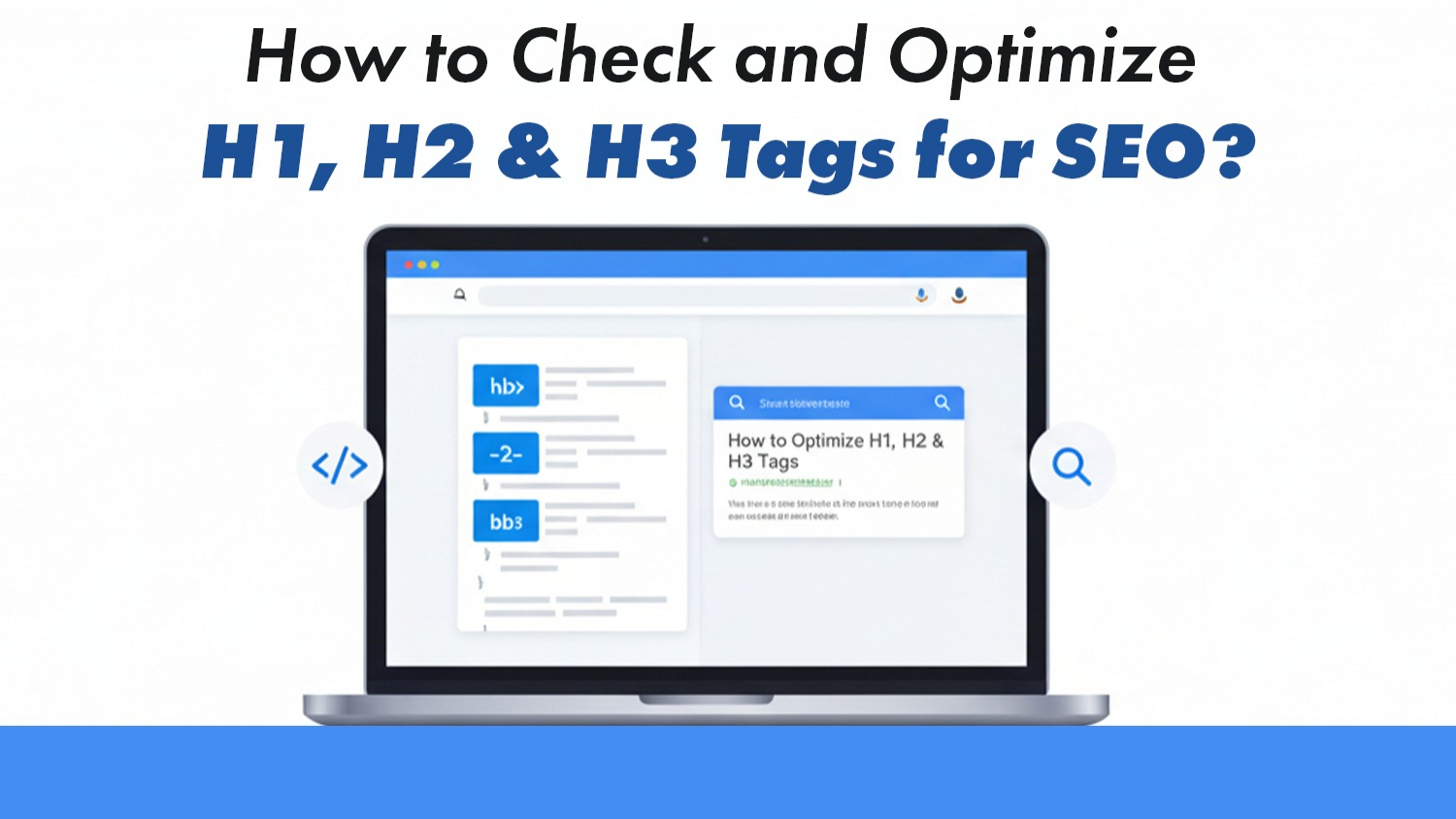
Once you have identified your target keywords, it’s crucial to optimise your website content accordingly. This includes incorporating keywords naturally into page titles, headings, meta descriptions, and body text. Avoid keyword stuffing – the practice of overloading content with irrelevant or excessive keywords – as this can harm your site’s credibility with both users and search engines.

Monitoring Performance

Regularly monitoring keyword performance is key to understanding how well your website is ranking in search results. Tools like Google Analytics and Google Search Console provide valuable insights into which keywords are driving traffic to your site and how your pages are performing in SERPs. By analysing this data, businesses can make informed decisions about adjusting their SEO strategies to improve rankings.

Conclusion

Search engine ranking keywords are a fundamental aspect of SEO that can significantly impact a website’s visibility and traffic. By conducting thorough keyword research, optimising website content, and monitoring performance regularly, businesses can enhance their online presence and attract more visitors through organic search. Investing time and effort into effective keyword strategy is essential for staying competitive in today’s digital landscape.


Top 8 Advantages of Search Engine Ranking Keywords for Boosting Online Presence

  1. 1. Enhances online visibility by improving search engine rankings.
  2. 2. Drives targeted organic traffic to your website.
  3. 3. Helps attract potential customers who are actively searching for your products or services.
  4. 4. Increases brand credibility and trustworthiness through higher search engine rankings.
  5. 5. Provides valuable insights into user search behaviour and preferences.
  6. 6. Enables better understanding of customer needs and interests through keyword analysis.
  7. 7. Supports effective content marketing strategies by guiding content creation around relevant keywords.
  8. 8. Allows for continuous optimisation and refinement of SEO efforts based on keyword performance.


Challenges of Search Engine Ranking Keywords: Overuse, Competition, and Algorithm Changes

  1. Keyword saturation can lead to unnatural-sounding content that may deter users.
  2. Highly competitive keywords can be difficult to rank for, especially for new websites.
  3. Search engine algorithms frequently change, requiring constant keyword monitoring and adjustment.

1. Enhances online visibility by improving search engine rankings.

By strategically utilising search engine ranking keywords, businesses can significantly enhance their online visibility by improving their search engine rankings. By incorporating relevant and high-quality keywords into website content, businesses increase the likelihood of their web pages appearing at the top of search engine results pages (SERPs). This enhanced visibility not only attracts more organic traffic but also ensures that the website is more easily discoverable by potential customers searching for products or services related to those keywords. Ultimately, improving search engine rankings through effective keyword usage is a powerful way to boost online visibility and reach a wider audience in the digital landscape.

2. Drives targeted organic traffic to your website.

One significant advantage of utilising search engine ranking keywords is their ability to drive targeted organic traffic to your website. By strategically incorporating relevant keywords into your content, you can attract users who are actively searching for products or information related to your business. This targeted approach ensures that the traffic directed to your site is more likely to convert into leads or customers, ultimately boosting the effectiveness of your online presence and increasing the potential for business growth.

3. Helps attract potential customers who are actively searching for your products or services.

By utilising search engine ranking keywords effectively, businesses can attract potential customers who are actively seeking their products or services. By strategically incorporating relevant keywords into website content, businesses increase the likelihood of their websites appearing at the top of search engine results pages when users search for related terms. This targeted approach ensures that businesses can reach an audience that is already interested in what they offer, leading to higher quality leads and improved conversion rates.

4. Increases brand credibility and trustworthiness through higher search engine rankings.

By utilising search engine ranking keywords effectively, businesses can enhance their brand credibility and trustworthiness by achieving higher rankings in search engine results. When a website consistently appears at the top of search results for relevant keywords, it signals to users that the site is authoritative and trustworthy in its industry. This increased visibility not only boosts brand recognition but also instils confidence in potential customers, leading to more clicks, visits, and conversions. Ultimately, a strong search engine presence built on targeted keywords can establish a brand as a reliable and reputable source within its market niche.

5. Provides valuable insights into user search behaviour and preferences.

By utilising search engine ranking keywords effectively, businesses can gain valuable insights into user search behaviour and preferences. By analysing the keywords that users are using to discover their website, businesses can better understand what their target audience is looking for online. This information allows companies to tailor their content and marketing strategies to align with user interests, ultimately improving user engagement and driving more relevant traffic to their site. Understanding user search behaviour through keyword analysis is a powerful tool in creating a more personalised and effective digital marketing approach.

6. Enables better understanding of customer needs and interests through keyword analysis.

By utilising search engine ranking keywords, businesses can gain valuable insights into their customers’ needs and interests through in-depth keyword analysis. By identifying the specific terms and phrases that users are searching for, companies can better understand what their target audience is looking for online. This enables businesses to tailor their content and offerings to align with customer preferences, ultimately improving user experience and increasing the likelihood of attracting relevant traffic to their website. Through keyword analysis, businesses can uncover valuable information about customer behaviours and trends, allowing them to make informed decisions that meet the evolving needs of their audience.

7. Supports effective content marketing strategies by guiding content creation around relevant keywords.

Supporting effective content marketing strategies, search engine ranking keywords play a pivotal role in guiding content creation around relevant topics and phrases. By aligning content with high-performing keywords, businesses can ensure that their online material resonates with their target audience and is more likely to rank well in search engine results. This strategic approach not only enhances the visibility of the content but also increases the chances of attracting organic traffic from users actively searching for information related to those keywords. Ultimately, incorporating search engine ranking keywords into content marketing efforts can lead to improved engagement, higher conversion rates, and a stronger online presence for businesses seeking to maximise their digital impact.

8. Allows for continuous optimisation and refinement of SEO efforts based on keyword performance.

One significant advantage of utilising search engine ranking keywords is the ability it provides for continuous optimisation and refinement of SEO strategies based on keyword performance. By closely monitoring how specific keywords are performing in search results, businesses can gather valuable insights into what resonates most with their target audience. This data-driven approach enables them to adapt and adjust their SEO efforts in real-time, ensuring that their website remains competitive and relevant in the ever-evolving digital landscape.

Keyword saturation can lead to unnatural-sounding content that may deter users.

Keyword saturation in content can be a significant drawback of search engine ranking keywords. When keywords are excessively used to the point of saturation, the content can sound forced and unnatural, which may deter users from engaging with the material. Overloading content with keywords not only compromises the readability and quality of the text but also diminishes the user experience. Users are more likely to be put off by content that feels contrived or spammy, ultimately impacting a website’s credibility and driving potential visitors away. Striking a balance between optimising for keywords and maintaining natural, user-friendly content is crucial to avoid this con of keyword saturation.

Highly competitive keywords can be difficult to rank for, especially for new websites.

In the realm of search engine optimisation, one significant drawback is the challenge posed by highly competitive keywords. For new websites aiming to establish their online presence, trying to rank for these popular keywords can be an uphill battle. The intense competition from established websites with strong authority and backlinks can make it exceedingly difficult for new players to break through and secure top positions in search engine results. As a result, newer websites often face a daunting task in competing for visibility against more established competitors when targeting highly competitive keywords.

Search engine algorithms frequently change, requiring constant keyword monitoring and adjustment.

One significant drawback of search engine ranking keywords is the ever-changing nature of search engine algorithms. Search engines like Google frequently update their algorithms to improve user experience and provide more relevant search results. This constant evolution means that businesses must continuously monitor and adjust their keyword strategies to stay competitive and maintain their search engine rankings. Failing to adapt to algorithm changes can result in a drop in visibility and organic traffic, highlighting the importance of staying vigilant and flexible in keyword selection and optimisation efforts.

social media agency

Unlocking Success: The Role of a Social Media Agency in Today’s Digital Landscape

The Power of Social Media Agencies in Today’s Digital Landscape

The Power of Social Media Agencies in Today’s Digital Landscape

Social media has become an integral part of our daily lives, with billions of people around the world connecting and engaging through platforms like Facebook, Instagram, Twitter, and LinkedIn. For businesses, harnessing the power of social media is crucial for reaching and engaging with their target audience.

This is where social media agencies play a vital role. A social media agency is a professional service provider that helps businesses create and execute effective social media marketing strategies to achieve their goals. These agencies are equipped with the knowledge, skills, and tools needed to navigate the ever-evolving landscape of social media platforms.

What Do Social Media Agencies Offer?

Social media agencies offer a range of services tailored to meet the unique needs of each client. These services may include:

  • Social Media Strategy: Developing a comprehensive social media strategy that aligns with the client’s business objectives.
  • Content Creation: Creating engaging and relevant content to share on social media platforms.
  • Community Management: Monitoring and engaging with the audience on social media to build relationships and foster brand loyalty.
  • Advertising Campaigns: Running targeted advertising campaigns on social media to reach specific demographics and drive conversions.
  • Analytics and Reporting: Tracking performance metrics and providing insights through analytics reports to measure the success of social media efforts.

The Benefits of Working with a Social Media Agency

Collaborating with a social media agency offers several benefits for businesses looking to enhance their online presence:

  • Expertise: Social media agencies have specialists who are well-versed in the latest trends, algorithms, and best practices in social media marketing.
  • Time-Saving: Outsourcing social media management allows businesses to focus on core operations while professionals handle their online presence.
  • Growth Opportunities: Effective social media strategies can lead to increased brand awareness, customer engagement, website traffic, and ultimately, revenue growth.
  • Data-Driven Decisions: Social media agencies use data analytics to track performance metrics and make informed decisions for continuous improvement.

In Conclusion

In today’s digital age, having a strong presence on social media is essential for businesses looking to connect with their target audience and stay competitive. Social media agencies play a crucial role in helping businesses navigate the complexities of social platforms and achieve their marketing objectives effectively. By leveraging their expertise and resources, businesses can unlock the full potential of social media as a powerful marketing tool.


Mastering Social Media: 8 Essential Tips for Agency Success

  1. Understand your client’s brand and target audience thoroughly.
  2. Create a content calendar to maintain consistency in posting.
  3. Engage with followers by responding to comments and messages promptly.
  4. Utilize analytics tools to track performance and make data-driven decisions.
  5. Stay updated on social media trends and algorithm changes.
  6. Collaborate with influencers or partners for wider reach.
  7. Experiment with different types of content to see what resonates best.
  8. Provide excellent customer service through social media platforms.

Understand your client’s brand and target audience thoroughly.

To maximise the effectiveness of your social media agency partnership, it is essential to thoroughly understand your client’s brand identity and target audience. By delving deep into the core values, messaging tone, and unique selling points of the brand, you can tailor social media strategies that resonate authentically with the target audience. This in-depth understanding enables the agency to create compelling content that engages and connects with the right demographic, ultimately driving meaningful interactions and conversions for the client’s business.

Create a content calendar to maintain consistency in posting.

Creating a content calendar is a valuable tip for businesses working with a social media agency. By planning and scheduling posts in advance, businesses can maintain consistency in their social media presence, ensuring a steady flow of engaging content for their audience. A content calendar helps in organising and strategising the type of content to be shared, aligning it with business goals and target audience preferences. This proactive approach not only saves time but also allows for better coordination between different marketing efforts, ultimately enhancing brand visibility and engagement on social media platforms.

Engage with followers by responding to comments and messages promptly.

To maximise the impact of your social media agency, it is essential to actively engage with your followers by responding to comments and messages promptly. By acknowledging and interacting with your audience in a timely manner, you not only foster a sense of community and trust but also demonstrate that their opinions and feedback are valued. This proactive approach to engagement can lead to increased brand loyalty, improved customer satisfaction, and ultimately, a stronger online presence for your business.

Utilize analytics tools to track performance and make data-driven decisions.

To maximise the effectiveness of your social media agency partnership, it is essential to utilise analytics tools to track performance metrics and make data-driven decisions. By leveraging these tools, you can gain valuable insights into the impact of your social media strategies, understand audience engagement levels, and identify areas for improvement. This data-driven approach enables you to refine your campaigns, optimise content, and allocate resources effectively, ultimately leading to more successful outcomes and a stronger online presence.

In the dynamic world of social media marketing, it is crucial for social media agencies to stay updated on the latest trends and algorithm changes. By keeping abreast of evolving trends and algorithms, agencies can adapt their strategies to ensure optimum performance and engagement for their clients. Being proactive in monitoring these changes allows social media agencies to leverage new features, explore emerging platforms, and implement best practices that align with current industry standards. This commitment to staying informed not only demonstrates expertise but also enables agencies to deliver innovative and effective solutions that drive success in the ever-changing landscape of social media.

Collaborate with influencers or partners for wider reach.

Collaborating with influencers or partners is a strategic tip that can significantly enhance the reach and impact of your social media agency’s marketing efforts. By partnering with influencers who have a strong following and credibility in your industry, you can tap into their audience and leverage their influence to promote your services effectively. This collaboration not only helps expand your reach to a wider demographic but also adds authenticity and trust to your brand, ultimately driving engagement and conversions on social media platforms. By working with influencers or partners, you can amplify your agency’s message and connect with a broader audience, leading to increased brand visibility and growth opportunities.

Experiment with different types of content to see what resonates best.

To maximise the impact of your social media strategy, it is advisable to experiment with various types of content to determine what resonates most effectively with your target audience. By testing different formats such as videos, images, infographics, and written posts, you can gain valuable insights into the preferences and behaviours of your followers. This experimentation allows you to refine your content strategy, tailor your messaging, and ultimately enhance engagement and interaction on your social media platforms.

Provide excellent customer service through social media platforms.

In today’s digital landscape, providing excellent customer service through social media platforms is a key strategy for businesses to engage with their customers effectively. By offering prompt responses, addressing queries and concerns, and showing genuine care for customer needs on platforms like Facebook, Twitter, and Instagram, social media agencies can enhance brand loyalty and build strong relationships with their audience. This proactive approach not only resolves issues swiftly but also showcases the business’s commitment to customer satisfaction, ultimately leading to increased trust and positive word-of-mouth recommendations.

digital agency

Empowering Your Brand: The Impact of a Leading Digital Agency in Today’s Market

The Role of a Digital Agency in Today’s Business Landscape

The Role of a Digital Agency in Today’s Business Landscape

In the fast-paced digital age, businesses are constantly seeking new ways to engage with their target audience and stay ahead of the competition. This is where digital agencies play a crucial role in helping companies navigate the complex world of online marketing and technology.

A digital agency is a team of experts who specialise in various aspects of digital marketing, web design, development, and branding. These agencies work closely with businesses to create and implement strategies that drive online growth and success.

Services Offered by Digital Agencies

Digital agencies offer a wide range of services tailored to meet the specific needs of their clients. Some common services include:

  • Search Engine Optimization (SEO): Helping businesses improve their online visibility and ranking on search engines.
  • Pay-Per-Click (PPC) Advertising: Creating targeted ad campaigns to drive traffic and conversions.
  • Social Media Marketing: Building brand presence and engaging with customers on social media platforms.
  • Website Design and Development: Creating visually appealing and user-friendly websites that reflect the brand’s identity.
  • Email Marketing: Developing email campaigns to nurture leads and retain customers.
  • Data Analytics: Utilising data to track performance, measure success, and make informed decisions.

The Benefits of Working with a Digital Agency

Collaborating with a digital agency offers several advantages for businesses, including:

  • Expertise: Access to a team of professionals who are well-versed in the latest digital trends and technologies.
  • Creative Solutions: Innovative strategies that help businesses stand out in a crowded online marketplace.
  • Time-Saving: Outsourcing digital marketing tasks allows businesses to focus on core activities.
  • Measurable Results: Data-driven approach that enables businesses to track performance and ROI accurately.

In Conclusion

A digital agency serves as a valuable partner for businesses looking to establish a strong online presence, connect with their target audience, and achieve sustainable growth. By leveraging the expertise and resources provided by these agencies, companies can navigate the complexities of the digital landscape with confidence and achieve their business objectives effectively.


Essential Tips for Running a Successful Digital Agency in the UK

  1. 1. Understand your client’s business goals and target audience thoroughly.
  2. 2. Keep up with the latest digital marketing trends and technologies.
  3. 3. Develop a strong online presence through social media and content marketing.
  4. 4. Provide excellent customer service to build long-lasting relationships.
  5. 5. Analyse data regularly to measure the effectiveness of your campaigns.
  6. 6. Collaborate with other professionals in the industry for new ideas and insights.
  7. 7. Stay organised and efficient in managing projects and deadlines.
  8. 8. Continuously seek feedback from clients to improve your services.

1. Understand your client’s business goals and target audience thoroughly.

To maximise the effectiveness of a digital agency’s services, it is essential to thoroughly understand the client’s business goals and target audience. By gaining a deep insight into what the client aims to achieve and who their target customers are, the digital agency can tailor strategies that align with these objectives. This understanding forms the foundation for creating targeted campaigns that resonate with the audience, drive engagement, and ultimately lead to tangible results. By prioritising a comprehensive understanding of the client’s business goals and target audience, a digital agency can deliver solutions that are not only impactful but also aligned with the client’s overarching vision for success.

To thrive in the competitive digital landscape, it is essential for a digital agency to stay abreast of the latest digital marketing trends and technologies. By keeping up with industry developments, such as emerging social media platforms, innovative advertising techniques, and data analytics tools, a digital agency can offer clients cutting-edge solutions that drive results. Embracing new trends and technologies not only demonstrates expertise but also ensures that strategies remain relevant and effective in reaching target audiences in today’s rapidly evolving online environment.

3. Develop a strong online presence through social media and content marketing.

To enhance your digital agency’s visibility and engagement, it is crucial to focus on developing a robust online presence through strategic social media management and compelling content marketing. By leveraging social media platforms effectively and creating valuable content that resonates with your target audience, you can establish a strong brand identity, foster meaningful interactions, and drive traffic to your website. Consistent and engaging social media posts coupled with high-quality content can help position your digital agency as an industry leader, ultimately attracting more clients and boosting your online reputation.

4. Provide excellent customer service to build long-lasting relationships.

Providing excellent customer service is a fundamental aspect of a successful digital agency. By prioritising exceptional service, digital agencies can cultivate long-lasting relationships with clients based on trust, reliability, and satisfaction. Effective communication, timely responses to queries, and going the extra mile to address client needs all contribute to building strong partnerships that endure beyond individual projects. Such dedication to customer service not only enhances client loyalty but also fosters a positive reputation for the agency within the industry, ultimately leading to continued success and growth.

5. Analyse data regularly to measure the effectiveness of your campaigns.

It is essential for a digital agency to regularly analyse data to evaluate the success of their campaigns. By monitoring key metrics and performance indicators, such as website traffic, conversion rates, and engagement levels, agencies can gain valuable insights into the effectiveness of their strategies. This data-driven approach enables them to make informed decisions, identify areas for improvement, and optimise future campaigns for better results. Regular data analysis is crucial in ensuring that digital agencies deliver measurable outcomes and continuously enhance their clients’ online presence.

6. Collaborate with other professionals in the industry for new ideas and insights.

Collaborating with other professionals in the industry is a valuable tip for digital agencies looking to stay ahead of the curve. By working with experts from different backgrounds and specialisations, agencies can gain fresh perspectives, innovative ideas, and valuable insights that can help enhance their strategies and approaches. This collaborative approach fosters creativity, encourages knowledge sharing, and promotes continuous learning, ultimately leading to more effective and successful outcomes for clients.

7. Stay organised and efficient in managing projects and deadlines.

To ensure success in managing projects and meeting deadlines, it is essential for a digital agency to maintain a high level of organisation and efficiency. By implementing effective project management strategies and prioritising tasks, the agency can streamline workflows, allocate resources optimally, and deliver quality results within stipulated timeframes. Staying organised not only enhances productivity but also fosters better communication among team members, leading to smoother project execution and client satisfaction.

8. Continuously seek feedback from clients to improve your services.

Continuously seeking feedback from clients is a fundamental practice for any reputable digital agency aiming to enhance its services. By actively soliciting and listening to client feedback, agencies can gain valuable insights into areas of improvement, identify strengths, and tailor their services to better meet client expectations. This feedback loop not only fosters stronger client relationships but also drives innovation and ensures that the agency remains responsive to evolving market demands. Embracing feedback as a tool for growth enables digital agencies to refine their strategies, refine their offerings, and ultimately deliver exceptional results that exceed client satisfaction.

online marketing seo

Unlocking the Potential of Online Marketing SEO Strategies

The Power of Online Marketing SEO

The Power of Online Marketing SEO

In today’s digital age, online marketing SEO has become a crucial tool for businesses looking to enhance their online presence and reach their target audience effectively. Search Engine Optimization (SEO) is the practice of improving a website’s visibility on search engine results pages through organic methods.

Implementing a robust SEO strategy can significantly impact a business’s online success. By optimising website content, using relevant keywords, building quality backlinks, and improving site speed and user experience, businesses can climb the ranks on search engine results pages and attract more organic traffic.

Benefits of Online Marketing SEO:

  • Increased Visibility: SEO helps your website rank higher in search engine results, making it more visible to potential customers searching for your products or services.
  • Targeted Traffic: By targeting specific keywords related to your business, SEO drives qualified traffic to your website, increasing the likelihood of conversions.
  • Brand Credibility: Websites that appear at the top of search results are perceived as more credible and trustworthy by users, enhancing brand reputation.
  • Cost-Effective Marketing: Compared to traditional advertising methods, SEO offers a cost-effective way to promote your business online and achieve long-term results.

Key Elements of Effective Online Marketing SEO:

To maximise the benefits of online marketing SEO, businesses should focus on the following key elements:

  1. Keyword Research: Identifying relevant keywords that align with your business offerings and target audience is essential for effective SEO.
  2. On-Page Optimisation: Optimising website content, meta tags, headings, and images with targeted keywords improves search engine visibility.
  3. Quality Content: Creating engaging and informative content that resonates with users not only enhances SEO but also encourages repeat visits and shares.
  4. Link Building: Building high-quality backlinks from reputable websites boosts domain authority and improves search engine rankings.

The Future of Online Marketing SEO

As search engines continue to evolve and user behaviours shift towards online platforms, the importance of online marketing SEO will only increase. Businesses that invest in robust SEO strategies today are likely to reap long-term benefits in terms of increased visibility, brand credibility, and sustainable growth in the digital landscape.


Essential SEO Tips: Boosting Online Marketing Success with These 7 Strategies

  1. 1. Conduct keyword research to target relevant search terms.
  2. 2. Optimise website content with targeted keywords and meta tags.
  3. 3. Create high-quality, engaging content to attract and retain visitors.
  4. 4. Build backlinks from reputable websites to improve SEO ranking.
  5. 5. Utilise social media platforms to promote content and drive traffic.
  6. 6. Regularly monitor and analyse website performance using SEO tools.
  7. 7. Stay updated on SEO trends and algorithm changes to adapt strategies accordingly.

1. Conduct keyword research to target relevant search terms.

To maximise the effectiveness of your online marketing SEO strategy, it is crucial to conduct thorough keyword research to target relevant search terms. By identifying and incorporating keywords that align with your business offerings and are frequently searched by your target audience, you can improve your website’s visibility on search engine results pages. This strategic approach not only helps attract qualified traffic to your site but also enhances the overall user experience by providing users with content that directly addresses their search queries. Conducting keyword research is a fundamental step in optimising your online presence and ensuring that your website ranks well for the search terms that matter most to your business.

2. Optimise website content with targeted keywords and meta tags.

To enhance your online presence and improve search engine visibility, it is essential to optimise your website content with targeted keywords and meta tags. By strategically incorporating relevant keywords into your website content and meta tags, you can signal to search engines what your site is about and increase the likelihood of ranking higher in search results. This practice not only helps attract organic traffic but also ensures that your website is more easily discoverable by users searching for products or services related to your business.

3. Create high-quality, engaging content to attract and retain visitors.

Creating high-quality, engaging content is a fundamental aspect of successful online marketing SEO. By crafting content that is not only informative but also captivating, businesses can attract and retain visitors to their website. Quality content not only helps in improving search engine rankings but also establishes credibility and trust with the audience. By offering valuable information that addresses the needs and interests of users, businesses can enhance user engagement, encourage repeat visits, and ultimately drive conversions. In the competitive online landscape, compelling content plays a vital role in differentiating a brand and building long-lasting relationships with customers.

Building backlinks from reputable websites is a vital strategy in online marketing SEO. By obtaining links from trusted and authoritative sources, a website can enhance its credibility and authority in the eyes of search engines. These backlinks act as endorsements, signalling to search algorithms that the content is valuable and worthy of ranking higher in search results. This not only improves SEO ranking but also drives more organic traffic to the website, ultimately contributing to its overall online success.

5. Utilise social media platforms to promote content and drive traffic.

To maximise the impact of your online marketing SEO efforts, it is essential to utilise social media platforms effectively. By promoting your content across platforms such as Facebook, Twitter, Instagram, and LinkedIn, you can reach a wider audience and drive traffic back to your website. Engaging with users through social media not only boosts brand visibility but also encourages sharing and interaction, ultimately enhancing your SEO performance. Leveraging the power of social media as part of your SEO strategy can lead to increased website traffic, improved search engine rankings, and greater online presence in today’s digital landscape.

6. Regularly monitor and analyse website performance using SEO tools.

To maximise the effectiveness of your online marketing SEO efforts, it is crucial to implement tip number 6: regularly monitor and analyse website performance using SEO tools. By utilising tools such as Google Analytics, SEMrush, or Moz, businesses can gain valuable insights into their website’s traffic, user behaviour, keyword rankings, and more. Monitoring and analysing this data allows businesses to identify areas for improvement, track the success of their SEO strategies, and make informed decisions to enhance their online visibility and drive organic traffic effectively.

It is essential for businesses to stay updated on SEO trends and algorithm changes to adapt their strategies accordingly. By keeping abreast of the latest developments in search engine optimisation, businesses can ensure that their online marketing efforts remain effective and in line with current best practices. Being proactive in monitoring SEO trends allows businesses to adjust their strategies promptly, capitalise on new opportunities, and maintain a competitive edge in the ever-evolving digital landscape.

search engines

Unlocking the Potential of Modern Search Engines: A Comprehensive Guide

The Power of Search Engines

The Power of Search Engines

Search engines have revolutionised the way we access information on the internet. These powerful tools have become an integral part of our daily lives, providing us with instant access to a wealth of knowledge at our fingertips.

How Search Engines Work

Search engines operate by using complex algorithms to crawl and index web pages across the internet. When a user enters a query into the search bar, the search engine scours its index to provide relevant results based on factors such as keywords, relevance, and authority.

The Importance of SEO

Search Engine Optimization (SEO) plays a crucial role in ensuring that websites rank high in search engine results pages (SERPs). By optimising content with relevant keywords, improving site speed, and enhancing user experience, websites can improve their visibility and attract more organic traffic.

Diversity of Search Engines

While Google is the most popular search engine globally, there are other notable players in the search engine market such as Bing, Yahoo!, Baidu, and DuckDuckGo. Each search engine has its own algorithms and ranking factors, making it essential for website owners to tailor their SEO strategies accordingly.

The Evolution of Search

Search engines continue to evolve with advancements in technology such as voice search, image recognition, and artificial intelligence. These innovations are shaping the future of search by providing users with more intuitive ways to access information quickly and efficiently.

Conclusion

Search engines have transformed the way we navigate the vast landscape of the internet. By understanding how search engines work and implementing effective SEO strategies, businesses and individuals can harness the power of search engines to reach their target audience and achieve online success.


Top 10 Frequently Asked Questions About Search Engines

  1. What is the very best search engine?
  2. What are the types of search engine?
  3. Which is best search engine?
  4. Which are search engines?
  5. What is the definition of search engines?
  6. What are 10 search engines?
  7. What is 5 search engine?
  8. What are the 5 top search engines?
  9. What are the 5 most common search engines?
  10. What search is better than Google?

What is the very best search engine?

When it comes to the question of what is the very best search engine, opinions may vary depending on individual preferences and needs. Google is widely regarded as the most popular and dominant search engine globally, known for its comprehensive index, accurate results, and user-friendly interface. However, other search engines like Bing, Yahoo!, and DuckDuckGo also have their own unique features and strengths that cater to different user requirements. Ultimately, the “best” search engine is subjective and may differ based on factors such as search accuracy, privacy concerns, user experience, and personal preference.

What are the types of search engine?

There are several types of search engines available to users, each catering to different needs and preferences. The most common type is a general search engine like Google, which provides a wide range of search results across various topics. Specialised search engines focus on specific niches such as images (e.g., Google Images), videos (e.g., YouTube), news (e.g., Bing News), or shopping (e.g., Amazon). Additionally, there are meta-search engines that aggregate results from multiple search engines to offer a comprehensive overview of information. Understanding the types of search engines available can help users navigate the vast online landscape more effectively and find relevant information efficiently.

Which is best search engine?

When it comes to the question of which is the best search engine, opinions may vary depending on individual preferences and needs. Google is widely regarded as the most popular and dominant search engine globally, known for its comprehensive index, accurate results, and user-friendly interface. However, other search engines like Bing, Yahoo!, and DuckDuckGo also have their strengths and cater to specific user demographics. Ultimately, the best search engine for you depends on factors such as search accuracy, privacy concerns, user experience, and personal preferences in terms of features and functionalities. It’s recommended to explore different search engines to determine which one aligns best with your search habits and requirements.

Which are search engines?

Search engines are powerful online tools that allow users to search for information on the internet by entering specific queries or keywords. Popular search engines such as Google, Bing, Yahoo!, and others crawl and index billions of web pages to provide users with relevant results based on their search terms. These platforms play a vital role in connecting individuals and businesses with the information they seek, making it easier to navigate the vast expanse of the World Wide Web. Search engines have become an integral part of our daily lives, shaping how we access knowledge, discover new content, and make informed decisions in a digital age.

What is the definition of search engines?

A search engine is a powerful online tool that allows users to search for information on the internet by entering keywords or phrases. It functions by crawling and indexing web pages across the web, providing users with relevant results based on their queries. Search engines play a vital role in helping individuals and businesses access a vast amount of information quickly and efficiently, making it easier to find specific content, websites, products, or services online.

What are 10 search engines?

When users inquire about the top 10 search engines, they are typically seeking a comprehensive list of popular search platforms beyond the well-known Google. In addition to Google, other prominent search engines include Bing, Yahoo!, Baidu, Yandex, DuckDuckGo, Ask.com, AOL Search, WolframAlpha, and Internet Archive. Each of these search engines offers unique features and functionalities catering to different user preferences and needs. Familiarising oneself with a variety of search engines can provide users with diverse search experiences and access to a broader range of information sources on the internet.

What is 5 search engine?

The frequently asked question “What is 5 search engine?” may arise due to a misunderstanding or typo. It is likely that the question intended to inquire about the top 5 search engines or simply about any 5 search engines. Search engines are online tools that allow users to search for information on the internet by entering keywords or phrases. Examples of popular search engines include Google, Bing, Yahoo!, Baidu, and DuckDuckGo. Understanding the different search engines available can help users navigate the vast amount of information on the web more effectively.

What are the 5 top search engines?

When it comes to the top search engines, there are five prominent players that dominate the online search landscape. Google stands out as the most widely used and popular search engine globally, known for its comprehensive index and sophisticated algorithms. Following closely behind is Bing, a Microsoft-owned search engine that offers a user-friendly interface and unique features. Yahoo!, with its long-standing presence in the search industry, remains a notable contender. Baidu, China’s leading search engine, caters to a vast Chinese-speaking audience. Lastly, DuckDuckGo differentiates itself by prioritising user privacy and delivering unbiased search results. These top five search engines each bring their own strengths and features to cater to diverse user preferences and needs.

What are the 5 most common search engines?

When asked about the five most common search engines, it is essential to highlight the dominance of Google as the leading search engine globally, capturing a significant market share. Following Google, other popular search engines include Bing, Yahoo!, Baidu, and DuckDuckGo. Each of these search engines offers unique features and algorithms that cater to different user preferences and needs. Understanding the diversity of search engines empowers users to choose the platform that best aligns with their search requirements and preferences.

What search is better than Google?

When it comes to the question of what search engine is better than Google, it largely depends on individual preferences and specific needs. While Google remains the dominant player in the search engine market, some users may find alternative search engines like Bing, Yahoo!, or DuckDuckGo better suited to their requirements. Each search engine has its unique features and strengths, such as privacy-focused browsing, image search capabilities, or specialised search functions. Ultimately, the best search engine choice varies based on factors like user experience, search results relevance, and personal preferences.

paid social media agency

Unlocking Success: The Role of a Paid Social Media Agency in Your Marketing Strategy

The Power of Paid Social Media Agencies

The Power of Paid Social Media Agencies

In today’s digital age, social media has become a powerful tool for businesses to reach their target audience and drive engagement. With the ever-increasing competition for visibility on social platforms, many companies are turning to paid social media agencies to help them stand out and achieve their marketing goals.

What is a Paid Social Media Agency?

A paid social media agency is a specialised firm that helps businesses create and implement paid advertising campaigns on various social media platforms such as Facebook, Instagram, Twitter, LinkedIn, and more. These agencies have the expertise and resources to optimise ad performance, target specific audiences, and generate measurable results for their clients.

The Benefits of Using a Paid Social Media Agency

Expertise: Paid social media agencies have a deep understanding of how each platform works and can create tailored strategies to maximise ROI.

Targeted Advertising: These agencies can help businesses target specific demographics, interests, behaviours, and locations to reach the right audience with precision.

Creative Content: Paid social media agencies can develop engaging ad creatives that resonate with the target audience and drive conversions.

Data-driven Approach: By analysing data and performance metrics, these agencies can continuously optimise campaigns for better results.

Choosing the Right Paid Social Media Agency

When selecting a paid social media agency for your business, consider the following factors:

  • Experience: Look for an agency with a proven track record of successful campaigns in your industry.
  • Services Offered: Ensure that the agency provides the specific services you need to achieve your marketing objectives.
  • Pricing: Compare pricing models and choose an agency that offers transparent pricing with clear deliverables.
  • Communication: Opt for an agency that maintains open communication channels and keeps you informed about campaign progress.

In Conclusion

A paid social media agency can be a valuable partner in helping your business navigate the complexities of social media advertising. By leveraging their expertise and resources, you can elevate your brand’s online presence, drive traffic to your website, and ultimately increase conversions. Consider partnering with a paid social media agency today to take your digital marketing efforts to the next level!


9 Advantages of Hiring a Paid Social Media Agency for Enhanced Brand Growth

  1. Expertise in social media advertising strategies
  2. Access to advanced targeting options for specific audiences
  3. Ability to create engaging and creative ad content
  4. Data-driven approach for campaign optimisation
  5. Increased brand visibility on multiple social media platforms
  6. Cost-effective compared to traditional advertising methods
  7. Measurable results through analytics and performance tracking
  8. Opportunity to reach a larger audience and increase brand awareness
  9. Professional management of paid campaigns, saving time and resources


Challenges of Engaging a Paid Social Media Agency: High Costs, Reduced Control, and Reliance on Expertise

  1. Costly Investment
  2. Lack of Control
  3. Dependency on Expertise

Expertise in social media advertising strategies

Having expertise in social media advertising strategies is a significant advantage of partnering with a paid social media agency. These agencies possess in-depth knowledge of how different social media platforms operate and can develop tailored advertising strategies that align with business objectives. By leveraging their expertise, businesses can benefit from targeted campaigns, creative content creation, and data-driven approaches that maximise return on investment. Ultimately, the specialised skills and experience of a paid social media agency can help businesses effectively navigate the dynamic landscape of social media advertising to achieve optimal results.

Access to advanced targeting options for specific audiences

One significant advantage of utilising a paid social media agency is the access to advanced targeting options that enable businesses to reach specific audiences with precision. These agencies possess the expertise to leverage sophisticated targeting tools on platforms like Facebook, Instagram, and LinkedIn, allowing them to tailor advertising campaigns based on demographics, interests, behaviours, and even location. By utilising these advanced targeting capabilities, businesses can ensure that their ads are seen by the right people at the right time, maximising engagement and driving conversions effectively.

Ability to create engaging and creative ad content

One significant advantage of partnering with a paid social media agency is their ability to craft engaging and creative ad content. These agencies have a team of skilled professionals who excel in developing compelling visuals and captivating copy that resonate with the target audience. By leveraging their creativity, paid social media agencies can help businesses cut through the digital noise, capture attention, and drive meaningful interactions with potential customers. This proficiency in creating impactful ad content plays a crucial role in enhancing brand visibility, increasing engagement, and ultimately driving conversions in the competitive landscape of social media marketing.

Data-driven approach for campaign optimisation

One significant advantage of utilising a paid social media agency is their data-driven approach to campaign optimisation. These agencies leverage analytics and performance metrics to continuously monitor and refine advertising strategies for maximum effectiveness. By analysing real-time data, they can make informed decisions on audience targeting, ad placement, and content creation, ensuring that every aspect of the campaign is optimised to drive results. This data-driven methodology not only enhances the efficiency of social media campaigns but also leads to better ROI and overall success in achieving marketing objectives.

Increased brand visibility on multiple social media platforms

By utilising the services of a paid social media agency, businesses can significantly enhance their brand visibility across various social media platforms. Through targeted advertising campaigns and strategic content placement, these agencies help companies establish a strong presence on platforms like Facebook, Instagram, Twitter, LinkedIn, and more. This increased visibility not only expands the reach of the brand but also boosts engagement with a wider audience, ultimately leading to heightened brand awareness and recognition in the competitive digital landscape.

Cost-effective compared to traditional advertising methods

One significant advantage of utilising a paid social media agency is its cost-effectiveness when compared to traditional advertising methods. With paid social media campaigns, businesses can reach a highly targeted audience at a fraction of the cost of traditional advertising channels such as TV or print media. This affordability allows companies to maximise their marketing budget and achieve better ROI by investing in strategic and tailored social media ads that deliver measurable results.

Measurable results through analytics and performance tracking

One significant advantage of utilising a paid social media agency is the ability to attain measurable results through in-depth analytics and performance tracking. These agencies employ advanced tracking tools and analytics platforms to monitor the effectiveness of advertising campaigns in real-time. By analysing key metrics such as engagement rates, click-through rates, conversions, and ROI, businesses can gain valuable insights into the performance of their social media ads. This data-driven approach enables informed decision-making, optimisation of strategies, and ultimately, maximisation of marketing efforts for enhanced outcomes and success.

Opportunity to reach a larger audience and increase brand awareness

By utilising the services of a paid social media agency, businesses have the invaluable opportunity to expand their reach to a wider audience and enhance brand awareness. Through targeted advertising strategies and precise audience segmentation, these agencies can help businesses connect with potential customers who may not have been reached through organic means. This increased visibility not only boosts brand recognition but also lays the foundation for building a loyal customer base and driving business growth in the competitive digital landscape.

Professional management of paid campaigns, saving time and resources

Professional management of paid campaigns by a paid social media agency offers businesses the advantage of saving valuable time and resources. By entrusting experts to handle the intricacies of paid advertising on social media platforms, companies can focus on core operations while knowing that their campaigns are in capable hands. This not only streamlines the process but also ensures efficient use of resources, leading to better campaign performance and ultimately, maximised return on investment.

Costly Investment

For small businesses with constrained marketing budgets, one significant drawback of engaging a paid social media agency is the costly investment involved. The fees charged by these agencies for their services can often be prohibitive, making it challenging for smaller enterprises to afford ongoing support. This financial burden may deter businesses from accessing the expertise and resources that a paid social media agency can offer, potentially limiting their ability to compete effectively in the digital landscape.

Lack of Control

When businesses opt to outsource their social media advertising campaigns to a paid social media agency, they may encounter the con of lack of control. Entrusting the day-to-day management and execution of these campaigns to an external agency can result in businesses having limited oversight and involvement in the process. This lack of control could potentially lead to misalignment with brand messaging, delayed responses to real-time events, or difficulties in promptly addressing customer inquiries or concerns. Businesses need to carefully consider this aspect and establish clear communication channels with the agency to ensure that their vision and objectives are effectively translated into the advertising campaigns.

Dependency on Expertise

Dependency on Expertise: Relying on a paid social media agency for advertising strategies may lead to a lack of in-house expertise development within the business. By outsourcing these crucial tasks, businesses risk becoming overly dependent on external specialists, hindering the opportunity for internal team members to enhance their skills and knowledge in digital marketing. This reliance on external expertise could limit the business’s ability to adapt to changing trends and technologies independently, potentially creating a long-term dependency on external agencies for all marketing needs.

content marketing

Mastering the Art of Effective Content Marketing Strategies

The Power of Content Marketing

The Power of Content Marketing

Content marketing has become an indispensable tool for businesses looking to engage with their audience, build brand awareness, and drive conversions. In today’s digital age, where consumers are constantly bombarded with information, creating high-quality and relevant content has emerged as a key strategy to cut through the noise and capture the attention of potential customers.

What is Content Marketing?

Content marketing involves the creation and distribution of valuable, informative, and engaging content to attract and retain a target audience. This content can take various forms, including blog posts, videos, infographics, podcasts, social media posts, and more. The primary goal of content marketing is not to directly promote a product or service but to provide value to the audience and establish credibility and trust with them.

The Benefits of Content Marketing

Effective content marketing offers a myriad of benefits for businesses. By consistently producing high-quality content that resonates with your target audience, you can:

  • Build brand awareness and authority
  • Drive organic traffic to your website
  • Generate leads and increase conversions
  • Enhance customer loyalty and retention
  • Improve search engine rankings through SEO-friendly content
  • Create shareable assets that can amplify your reach on social media

Key Strategies for Successful Content Marketing

To make the most out of your content marketing efforts, consider implementing the following strategies:

  1. Understand Your Audience: Tailor your content to address the needs, interests, and pain points of your target audience.
  2. Create Compelling Content: Produce high-quality, engaging content that provides value and encourages interaction.
  3. Distribute Widely: Utilise various channels such as social media, email newsletters, guest blogging, and more to reach a wider audience.
  4. Analyse Performance: Monitor key metrics like engagement rates, website traffic, conversion rates to measure the effectiveness of your content marketing campaigns.
  5. Iterate and Improve: Continuously refine your content strategy based on data insights to optimise results over time.

In Conclusion

In conclusion,content marketing is a powerful tool that can help businesses connect with their target audience in meaningful ways. By creating valuable content that resonates with consumers’ needs and interests,content marketers can drive engagement,buidl brand loyalty,and ultimately boost business growth in today’s competitive digital landscape.


Essential FAQs on Content Marketing: Strategies, Benefits, and Best Practices

  1. What is content marketing and why is it important?
  2. How can content marketing benefit my business?
  3. What are the key elements of a successful content marketing strategy?
  4. How do I measure the effectiveness of my content marketing efforts?
  5. What types of content are most effective for engaging audiences?
  6. How can I repurpose existing content to maximise its impact?
  7. What role does SEO play in content marketing?
  8. How can I create a consistent and compelling brand voice through content?

What is content marketing and why is it important?

Content marketing is a strategic approach that involves creating and sharing valuable, relevant content to attract and engage a target audience. It is an essential component of modern marketing strategies as it allows businesses to establish credibility, build relationships with customers, and drive profitable actions. By providing informative and engaging content, businesses can not only showcase their expertise but also address the needs and interests of their audience. Ultimately, content marketing plays a crucial role in building brand awareness, increasing website traffic, generating leads, and nurturing customer loyalty in today’s competitive digital landscape.

How can content marketing benefit my business?

Content marketing can benefit your business in numerous ways. By creating and sharing valuable, relevant content, you can establish your brand as an authority in your industry, build trust with your target audience, and increase brand awareness. Effective content marketing can drive organic traffic to your website, generate leads, and ultimately boost conversions. Furthermore, by consistently delivering high-quality content that resonates with your audience, you can enhance customer loyalty and retention. In essence, content marketing is a powerful strategy that not only helps you connect with your customers on a deeper level but also drives tangible business results by improving visibility, engagement, and ultimately revenue for your business.

What are the key elements of a successful content marketing strategy?

When considering the key elements of a successful content marketing strategy, it is essential to focus on several crucial components. Firstly, understanding your target audience and their needs is paramount. Tailoring your content to resonate with their interests and challenges can significantly impact engagement and conversion rates. Secondly, creating high-quality and valuable content that provides solutions or insights is vital for building credibility and trust with your audience. Consistent distribution across various channels, coupled with strategic promotion tactics, can help amplify your reach and drive traffic to your website. Lastly, regularly analysing performance metrics and refining your strategy based on data insights is crucial for continuous improvement and long-term success in content marketing.

How do I measure the effectiveness of my content marketing efforts?

Measuring the effectiveness of content marketing efforts is crucial for businesses to gauge the impact of their strategies and optimise future campaigns. Several key metrics can be used to evaluate performance, including website traffic, engagement rates, conversion rates, social media shares, and lead generation. By tracking these metrics and analysing data insights, businesses can determine which content resonates most with their audience, identify areas for improvement, and make informed decisions to enhance the overall effectiveness of their content marketing initiatives.

What types of content are most effective for engaging audiences?

When it comes to engaging audiences effectively through content marketing, various types of content have proven to be highly successful. Visual content such as videos and infographics tends to capture attention quickly and convey information in a visually appealing manner. Interactive content like quizzes, polls, and interactive tools encourages audience participation and fosters engagement. Additionally, storytelling through blog posts, case studies, and customer testimonials can create emotional connections with the audience, making the content more relatable and memorable. Ultimately, a mix of different content types tailored to the target audience’s preferences and interests can maximise engagement and drive meaningful interactions.

How can I repurpose existing content to maximise its impact?

Repurposing existing content is a strategic approach that can significantly enhance its impact and reach. By creatively transforming your content into different formats such as infographics, videos, podcasts, or social media posts, you can cater to diverse audience preferences and extend the lifespan of your original material. Additionally, updating and refreshing outdated content with new insights or statistics can help maintain relevance and attract fresh engagement. Ultimately, repurposing existing content allows you to extract maximum value from your efforts by reaching a wider audience and reinforcing key messages across various platforms effectively.

What role does SEO play in content marketing?

SEO plays a crucial role in content marketing by ensuring that the content created is not only valuable and engaging but also easily discoverable by search engines and target audiences. By incorporating SEO best practices such as keyword research, on-page optimisation, and link building into content creation strategies, businesses can improve their organic search visibility and attract more qualified traffic to their websites. Effective SEO techniques help content marketers understand user intent, optimise content for relevant search queries, and enhance the overall user experience, ultimately driving better results in terms of rankings, traffic, and conversions. In essence, SEO acts as a guiding force that maximises the reach and impact of content marketing efforts in reaching and engaging with the right audience online.

How can I create a consistent and compelling brand voice through content?

Creating a consistent and compelling brand voice through content is essential for establishing a strong identity and connecting with your target audience. To achieve this, start by defining your brand’s personality, values, and tone of voice. Ensure that these elements are reflected consistently across all content channels, from blog posts to social media updates. Use language that resonates with your audience and aligns with your brand’s ethos. Maintain a cohesive style and messaging approach to build familiarity and trust with your followers. Regularly review and refine your content strategy to ensure that your brand voice remains relevant, engaging, and authentic in order to leave a lasting impression on your audience.

search engine optimization consulting

Unlocking Success: The Essence of Search Engine Optimization Consulting

Search Engine Optimization Consulting

The Power of Search Engine Optimization Consulting

Search Engine Optimization (SEO) consulting has become a vital component for businesses looking to enhance their online presence and reach their target audience effectively. In today’s digital age, where competition is fierce and visibility is key, SEO consulting services offer valuable insights and strategies to help businesses thrive in the online landscape.

What is SEO Consulting?

SEO consulting involves working with experienced professionals who analyse, strategise, and implement techniques to improve a website’s search engine ranking. These consultants have in-depth knowledge of search engine algorithms, keyword research, on-page and off-page optimization, and content strategy.

The Benefits of SEO Consulting

Increased Website Traffic: By implementing effective SEO strategies, consulting services can drive more organic traffic to your website, resulting in higher visibility and potential leads.

Improved Search Engine Ranking: SEO consultants help improve your website’s ranking on search engine results pages (SERPs), making it easier for users to find your business online.

Targeted Audience Reach: Through keyword research and analysis, SEO consulting services help you target specific audiences interested in your products or services.

Enhanced User Experience: Consultants focus on improving website usability and performance, leading to better user experience and increased engagement.

Choosing the Right SEO Consultant

When selecting an SEO consultant for your business, it’s essential to consider their experience, track record of success, industry knowledge, and communication skills. A reputable consultant will provide a tailored strategy that aligns with your business goals and delivers measurable results over time.

In Conclusion

SEO consulting plays a crucial role in helping businesses navigate the complexities of the digital landscape and achieve sustainable growth online. By partnering with experienced consultants who understand the intricacies of search engine algorithms and best practices, businesses can elevate their online presence and stay ahead of the competition.


7 Essential Tips for Effective SEO Consulting: From Keyword Research to Data-Driven Recommendations

  1. Conduct thorough keyword research to target relevant search terms.
  2. Optimize on-page elements such as title tags, meta descriptions, and headings.
  3. Create high-quality, engaging content that is valuable to users and search engines.
  4. Build a strong backlink profile from reputable websites in your industry.
  5. Regularly monitor and analyse website performance using tools like Google Analytics.
  6. Stay updated with the latest SEO trends and algorithm changes.
  7. Provide actionable recommendations based on data-driven insights.

Conduct thorough keyword research to target relevant search terms.

Conducting thorough keyword research is a fundamental tip in search engine optimization consulting. By identifying and targeting relevant search terms, businesses can enhance their online visibility and attract the right audience to their website. Keyword research helps in understanding user intent and behaviour, allowing consultants to optimise website content effectively. By incorporating high-ranking keywords strategically, businesses can improve their search engine ranking and increase organic traffic to their site, ultimately leading to greater online success.

Optimize on-page elements such as title tags, meta descriptions, and headings.

To enhance your website’s search engine visibility, it is crucial to optimise on-page elements like title tags, meta descriptions, and headings. These elements play a significant role in conveying the relevance and structure of your content to search engines. By crafting compelling and keyword-rich title tags, informative meta descriptions, and well-structured headings, you can improve your website’s chances of ranking higher in search results. Paying attention to these on-page elements not only boosts SEO but also enhances user experience by providing clear and concise information about your web pages.

Create high-quality, engaging content that is valuable to users and search engines.

Creating high-quality, engaging content that is valuable to both users and search engines is a fundamental tip in search engine optimization consulting. By crafting content that is informative, relevant, and user-friendly, businesses can attract and retain their target audience while also improving their website’s visibility in search engine results. Valuable content not only enhances user experience but also signals to search engines that the website provides authoritative information, ultimately boosting its ranking and online presence.

To enhance your search engine optimization consulting strategy, it is crucial to focus on building a robust backlink profile from reputable websites within your industry. Backlinks from authoritative sources not only improve your website’s credibility and trustworthiness in the eyes of search engines but also drive valuable organic traffic to your site. By securing quality backlinks from relevant and trustworthy websites, you can significantly boost your online visibility and establish your brand as an industry leader, ultimately leading to higher search engine rankings and increased website traffic.

Regularly monitor and analyse website performance using tools like Google Analytics.

To maximise the effectiveness of search engine optimization consulting, it is crucial to regularly monitor and analyse website performance using tools such as Google Analytics. By tracking key metrics like traffic sources, user behaviour, and conversion rates, businesses can gain valuable insights into the impact of their SEO strategies. This data-driven approach allows consultants to identify areas for improvement, refine their tactics, and ultimately enhance the overall performance of the website in search engine results pages.

To maximise the effectiveness of your search engine optimisation consulting efforts, it is crucial to stay informed and updated on the latest SEO trends and algorithm changes. Search engines frequently update their algorithms to provide users with the most relevant and high-quality content. By staying abreast of these changes, you can adapt your strategies accordingly, ensuring that your website remains competitive in search engine rankings. Continuous learning and adjustment based on the evolving landscape of SEO are key to achieving long-term success in digital marketing.

Provide actionable recommendations based on data-driven insights.

To maximise the effectiveness of search engine optimization consulting, it is essential to offer actionable recommendations grounded in data-driven insights. By analysing relevant data and metrics, SEO consultants can identify trends, opportunities, and areas for improvement. These insights enable them to develop strategic recommendations that are not only informed by data but also tailored to address specific needs and goals. Implementing such recommendations can lead to tangible improvements in website visibility, traffic, and overall online performance.

seo your website

Maximise Your Online Presence: SEO Your Website for Success

SEO Your Website

The Importance of SEO for Your Website

Search Engine Optimization (SEO) is crucial for any website looking to increase its online visibility and reach its target audience effectively. In today’s digital age, where competition is fierce and online presence is paramount, implementing a solid SEO strategy can make all the difference in driving organic traffic to your site.

Key Benefits of SEO:

  • Improved Search Engine Rankings: By optimising your website for relevant keywords and providing high-quality content, you can improve your search engine rankings and appear higher in search results.
  • Increased Organic Traffic: SEO helps attract organic traffic to your site, meaning visitors who are genuinely interested in your products or services are more likely to find you through search engines.
  • Enhanced User Experience: A well-optimised website not only ranks better but also provides a seamless user experience, leading to higher engagement and lower bounce rates.
  • Build Credibility and Trust: Websites that rank well in search results are perceived as more trustworthy by users. SEO can help establish your brand as an authority in your industry.
  • Long-Term Results: While SEO requires ongoing effort, the results it delivers are long-lasting compared to paid advertising. A strong SEO foundation can continue to benefit your website over time.

Effective SEO Strategies:

To optimise your website effectively, consider implementing the following strategies:

  1. Keyword Research: Identify relevant keywords that reflect your business and target audience’s search intent.
  2. On-Page Optimisation: Optimise meta tags, headings, and content with targeted keywords for better visibility.
  3. Quality Content Creation: Create engaging, informative content that resonates with your audience and encourages sharing and backlinking.
  4. Mobile-Friendly Design: Ensure your website is responsive and mobile-friendly for a seamless user experience across devices.
  5. Become Backlinks from Reputable Sources: Acquire high-quality backlinks from reputable websites to improve your site’s authority and credibility in the eyes of search engines.

In conclusion, investing in SEO for your website is a strategic decision that can yield significant benefits in the long run. By implementing effective SEO strategies tailored to your business goals, you can enhance your online presence, attract relevant traffic, and ultimately drive conversions. Remember that SEO is an ongoing process that requires continuous monitoring and adjustment to stay ahead of the competition in the ever-evolving digital landscape.


Top 6 Essential SEO Tips to Boost Your Website’s Visibility

  1. Ensure your website is mobile-friendly for better search engine rankings.
  2. Create high-quality and relevant content regularly to attract visitors and improve SEO.
  3. Optimize your website’s loading speed to enhance user experience and SEO performance.
  4. Use relevant keywords strategically throughout your website’s content, meta tags, and URLs.
  5. Build quality backlinks from reputable websites to increase your site’s authority in search engines.
  6. Regularly monitor and analyse your website’s SEO performance using tools like Google Analytics.

Ensure your website is mobile-friendly for better search engine rankings.

Ensuring that your website is mobile-friendly is essential for improving your search engine rankings. With the increasing number of users accessing the internet via mobile devices, search engines prioritise mobile-friendly websites in their rankings. By optimising your site for mobile, you provide a better user experience, reduce bounce rates, and increase the likelihood of higher visibility in search results. Mobile-friendliness is not just a user convenience but also a crucial factor in SEO success, helping you reach a wider audience and stay competitive in the digital landscape.

Create high-quality and relevant content regularly to attract visitors and improve SEO.

Creating high-quality and relevant content on a regular basis is a fundamental tip for enhancing your website’s SEO performance. By consistently producing valuable content that resonates with your target audience, you not only attract visitors who are genuinely interested in your offerings but also signal to search engines that your site is a reliable source of information. This proactive approach to content creation not only engages users but also boosts your site’s visibility in search results, ultimately leading to improved SEO rankings and increased organic traffic.

Optimize your website’s loading speed to enhance user experience and SEO performance.

Optimising your website’s loading speed is a crucial tip for enhancing user experience and improving SEO performance. A fast-loading website not only keeps visitors engaged but also contributes to higher search engine rankings. Search engines like Google prioritise websites that load quickly, as this indicates a better user experience. By optimising loading speed through techniques such as image compression, minifying CSS and JavaScript files, and leveraging browser caching, you can create a seamless browsing experience for users while boosting your site’s visibility in search results.

Use relevant keywords strategically throughout your website’s content, meta tags, and URLs.

To optimise your website effectively for search engines, it is essential to strategically incorporate relevant keywords into your content, meta tags, and URLs. By conducting thorough keyword research and strategically placing these keywords throughout your website, you can enhance its visibility and improve its chances of ranking higher in search engine results. Utilising relevant keywords in a natural and informative manner not only helps search engines understand the context of your content but also makes it easier for potential visitors to find your website when searching for related topics or products.

Building quality backlinks from reputable websites is a crucial aspect of SEO that can significantly enhance your site’s authority and credibility in the eyes of search engines. By earning backlinks from trusted sources, you not only improve your website’s visibility but also establish it as a reliable and authoritative resource within your industry. These high-quality backlinks act as a vote of confidence for your site, helping to boost its ranking in search results and drive organic traffic. It’s essential to focus on acquiring backlinks from reputable websites that are relevant to your niche to strengthen your SEO strategy effectively.

Regularly monitor and analyse your website’s SEO performance using tools like Google Analytics.

Regularly monitoring and analysing your website’s SEO performance using tools like Google Analytics is essential for maintaining a strong online presence. By tracking key metrics such as organic traffic, keyword rankings, and user behaviour, you can gain valuable insights into what is working well and where improvements are needed. This data-driven approach allows you to make informed decisions to optimise your SEO strategy, identify opportunities for growth, and ensure that your website continues to attract relevant traffic and engage with your target audience effectively.

sem e seo

Unlocking the Power of SEM and SEO: A Comprehensive Guide to Digital Marketing Strategies

SEM and SEO: Understanding the Difference

SEM and SEO: Understanding the Difference

Search Engine Marketing (SEM) and Search Engine Optimization (SEO) are two vital components of any digital marketing strategy aimed at improving a website’s visibility in search engine results. While both SEM and SEO focus on increasing website traffic through search engines, they differ in their approaches and techniques.

Search Engine Optimization (SEO)

SEO is the process of optimizing a website to improve its organic (unpaid) search engine rankings. This involves various strategies such as keyword research, content optimization, link building, and technical enhancements to make the website more search engine-friendly. The goal of SEO is to increase organic traffic by appearing higher in search engine results pages (SERPs).

Search Engine Marketing (SEM)

SEM, on the other hand, includes paid advertising efforts to gain visibility in search engines. This typically involves pay-per-click (PPC) campaigns where advertisers bid on keywords relevant to their target audience. SEM allows businesses to place ads at the top of search results for specific keywords, driving immediate traffic to their websites.

The Relationship Between SEM and SEO

While SEM and SEO serve distinct purposes, they can complement each other effectively in a comprehensive digital marketing strategy. By combining both organic SEO efforts with paid SEM campaigns, businesses can maximise their online visibility and reach a wider audience.

In conclusion, understanding the differences between SEM and SEO is crucial for developing a successful digital marketing strategy. Whether focusing on organic growth through SEO or leveraging paid advertising with SEM, businesses can enhance their online presence and attract more valuable traffic from search engines.


Maximising Online Success: The Combined Benefits of SEM and SEO Strategies

  1. SEM allows for immediate visibility on search engine results pages (SERPs) through paid advertising.
  2. SEO helps improve organic search rankings over time, leading to long-term visibility and credibility.
  3. Combining SEM and SEO strategies can maximise a website’s overall online presence.
  4. SEM provides precise targeting options, allowing businesses to reach specific audiences with tailored ads.
  5. SEO enhances user experience by optimising website content and structure for better usability.
  6. SEM campaigns can be easily adjusted and optimised based on real-time performance data.
  7. SEO builds brand authority and trust by ranking higher in organic search results.
  8. SEM offers quick results for new websites or promotions that need immediate exposure.
  9. SEO is cost-effective in the long run as organic traffic does not require ongoing ad spend.


Exploring the Drawbacks of SEM and SEO: Costs, Competition, and More

  1. 1. Cost
  2. 2. Competition
  3. 3. Time-Consuming
  4. 4. Complexity
  5. 5. Algorithm Changes
  6. 6. Click Fraud
  7. 7. Limited Control

SEM allows for immediate visibility on search engine results pages (SERPs) through paid advertising.

Search Engine Marketing (SEM) offers a significant advantage by providing immediate visibility on search engine results pages (SERPs) through paid advertising. By running pay-per-click (PPC) campaigns, businesses can bid on relevant keywords and have their ads displayed prominently at the top of search results. This instant visibility allows companies to quickly reach their target audience and drive traffic to their websites, generating immediate results and increasing brand awareness in a competitive online landscape.

SEO helps improve organic search rankings over time, leading to long-term visibility and credibility.

Search Engine Optimization (SEO) plays a crucial role in enhancing a website’s organic search rankings gradually, resulting in sustained visibility and credibility over time. By implementing SEO strategies such as keyword optimization, quality content creation, and building authoritative backlinks, websites can climb the search engine results pages (SERPs) organically. This long-term approach not only boosts visibility but also establishes trust and credibility with users, as higher organic rankings are often perceived as more reliable and trustworthy sources of information.

Combining SEM and SEO strategies can maximise a website’s overall online presence.

Combining Search Engine Marketing (SEM) and Search Engine Optimization (SEO) strategies can significantly enhance a website’s online visibility and overall presence. By leveraging the strengths of both SEM, which involves paid advertising for immediate results, and SEO, which focuses on organic search ranking improvement over time, businesses can create a well-rounded digital marketing approach. SEM can drive immediate traffic to the website through targeted ads, while SEO works in the background to improve organic search rankings for sustainable long-term growth. Together, these strategies complement each other to maximise a website’s reach and effectiveness in capturing valuable online traffic.

SEM provides precise targeting options, allowing businesses to reach specific audiences with tailored ads.

SEM offers precise targeting options, enabling businesses to connect with highly specific audiences through customised advertisements. By utilising SEM strategies, companies can tailor their ads to reach the most relevant and interested individuals, increasing the likelihood of conversions and maximising the return on investment. This targeted approach not only enhances the effectiveness of marketing campaigns but also helps businesses establish a stronger connection with their intended audience, ultimately driving growth and success in the competitive digital landscape.

SEO enhances user experience by optimising website content and structure for better usability.

Search Engine Optimization (SEO) plays a crucial role in improving user experience by optimising website content and structure for enhanced usability. By implementing SEO best practices such as relevant keyword usage, high-quality content creation, and intuitive site navigation, websites become more user-friendly and engaging for visitors. This not only helps in attracting organic traffic from search engines but also ensures that users have a seamless and satisfying experience while browsing the site. Ultimately, SEO’s focus on enhancing user experience contributes to higher engagement, increased time spent on the website, and improved conversion rates.

SEM campaigns can be easily adjusted and optimised based on real-time performance data.

SEM campaigns offer the advantage of being easily adjusted and optimised in real-time based on performance data. This flexibility allows marketers to react promptly to changing trends and audience behaviour, ensuring that their ads are always relevant and effective. By monitoring key metrics such as click-through rates, conversion rates, and cost per acquisition, SEM practitioners can make data-driven decisions to refine their campaigns for optimal results. This ability to adapt quickly to insights gained from real-time data sets SEM apart as a dynamic and responsive digital marketing strategy.

SEO builds brand authority and trust by ranking higher in organic search results.

Search Engine Optimization (SEO) plays a crucial role in establishing brand authority and trust by securing higher rankings in organic search results. When a website consistently appears at the top of search engine results pages through effective SEO strategies, it not only increases visibility but also conveys credibility and reliability to users. By earning a prominent position through organic means, businesses can build trust with their target audience, positioning themselves as reputable industry leaders and enhancing their overall brand image.

SEM offers quick results for new websites or promotions that need immediate exposure.

Search Engine Marketing (SEM) provides a significant advantage by offering rapid results for new websites or promotions that require immediate exposure. Through SEM, businesses can create targeted advertising campaigns that appear prominently in search engine results, driving instant traffic to their websites. This quick visibility allows new websites to establish a presence online swiftly and promote their products or services effectively to a broader audience, making SEM an invaluable tool for achieving immediate marketing goals.

SEO is cost-effective in the long run as organic traffic does not require ongoing ad spend.

SEO offers a significant advantage in terms of cost-effectiveness over SEM in the long run. Unlike SEM, where ongoing ad spend is necessary to maintain visibility in search engine results, SEO focuses on improving organic traffic through sustainable strategies such as keyword optimization, content creation, and link building. Once a website starts ranking well organically, it can continue to attract relevant traffic without the need for continuous investment in paid advertising. This makes SEO a valuable long-term investment for businesses looking to drive consistent and cost-efficient traffic to their websites.

1. Cost

When considering the drawbacks of Search Engine Marketing (SEM) and Search Engine Optimization (SEO), one significant con to highlight is the cost associated with SEM. SEM can be costly, particularly when targeting competitive keywords, which often leads to high advertising expenses. Businesses investing in SEM campaigns need to allocate a substantial budget to compete effectively in paid search results and maintain visibility. This financial aspect of SEM can pose a challenge for businesses with limited marketing budgets, making it important to carefully consider the cost-effectiveness and potential return on investment when incorporating SEM into a digital marketing strategy.

2. Competition

Competition poses a significant challenge for both Search Engine Marketing (SEM) and Search Engine Optimization (SEO) strategies. In the digital landscape, businesses are constantly vying for visibility in search engine results, leading to intense competition. With numerous companies investing in SEM campaigns and implementing SEO tactics to improve their rankings, standing out amidst this fierce competition becomes increasingly difficult. This saturation of the online market underscores the importance of implementing innovative and strategic approaches to SEM and SEO to effectively differentiate oneself and capture the attention of target audiences in a competitive environment.

3. Time-Consuming

SEO, while effective in boosting organic rankings and driving long-term traffic, poses a significant challenge in terms of time consumption. Implementing SEO strategies demands consistent and ongoing efforts, as well as a considerable amount of patience to witness substantial enhancements in search engine rankings. It involves tasks such as keyword research, content creation, technical optimisation, and link building, all of which require time to yield noticeable results. Businesses investing in SEO must understand the time commitment involved and be prepared for a gradual but rewarding journey towards improved online visibility and organic traffic growth.

4. Complexity

Navigating the realm of SEM and SEO can pose a significant challenge due to its inherent complexity, particularly for those new to the field. The intricacies of SEM and SEO techniques, such as keyword research, content optimisation, link building, and PPC campaigns, can be overwhelming for beginners. Understanding the nuances of these strategies requires time, effort, and a continuous learning process to effectively harness the power of search engine marketing and optimisation.

5. Algorithm Changes

Search engine algorithms undergo frequent updates and changes, posing a significant challenge for both SEM and SEO strategies. These algorithm changes can directly impact the effectiveness of digital marketing efforts, requiring constant monitoring and adaptation to stay ahead. For SEM, shifts in algorithms can affect ad placements and bidding strategies, influencing the visibility and performance of paid campaigns. Similarly, SEO strategies need to evolve to align with new algorithm requirements to maintain or improve organic search rankings. Adapting to these algorithm changes is crucial for businesses aiming to succeed in the dynamic landscape of search engine marketing and optimisation.

6. Click Fraud

In Search Engine Marketing (SEM) campaigns, a significant drawback is the occurrence of click fraud. This unethical practice involves competitors or automated bots clicking on ads intentionally to exhaust advertising budgets, leading to wasted resources and reduced effectiveness of the campaign. Click fraud not only distorts campaign performance metrics but also undermines the integrity of SEM efforts by generating false clicks that do not result in genuine user engagement or conversions. Businesses engaging in SEM must remain vigilant against click fraud and implement measures to mitigate its impact on their advertising campaigns.

7. Limited Control

One significant drawback of Search Engine Marketing (SEM) and Search Engine Optimization (SEO) is the limited control that businesses have over their website rankings. In the case of SEO, search engines have the final say in determining where a website appears in search results, which means that businesses may find themselves at the mercy of constantly changing algorithms and ranking factors. This lack of control can make it challenging for businesses to maintain a consistent position in search engine results, highlighting the need for continuous monitoring and adaptation to stay competitive in the online landscape.

Copyright © seolondon.digital