ppc in digital marketing

Mastering the Art of PPC in Digital Marketing: A Guide to Success

The Power of PPC in Digital Marketing

The Power of PPC in Digital Marketing

Pay-Per-Click (PPC) advertising is a powerful tool in the realm of digital marketing. It offers businesses a strategic way to reach their target audience and drive valuable traffic to their websites. In this article, we will delve into the key aspects of PPC and how it can benefit your overall marketing strategy.

What is PPC?

PPC is an online advertising model where advertisers pay a fee each time their ad is clicked. It allows businesses to bid for ad placement in search engine results or on websites, targeting specific keywords or demographics. This targeted approach ensures that your ads are shown to users who are likely to be interested in your products or services.

The Benefits of PPC

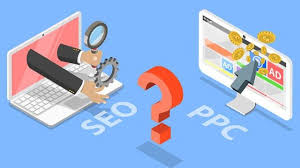
One of the main advantages of PPC is its ability to deliver immediate results. Unlike organic search engine optimisation (SEO) efforts that take time to show results, PPC campaigns can drive traffic to your website instantly. This makes it an ideal choice for businesses looking to generate leads or sales quickly.

PPC also offers precise targeting options, allowing you to tailor your ads based on factors such as location, device, interests, and more. This level of customization helps you reach the right audience with the right message, increasing the likelihood of conversions.

Maximising ROI with PPC

To make the most out of your PPC campaigns, it’s essential to monitor and optimise them regularly. By analysing data such as click-through rates, conversion rates, and cost per acquisition, you can refine your ads for better performance. Testing different ad creatives, keywords, and landing pages can help you identify what works best for your target audience.

Conclusion

In conclusion, PPC is a valuable tool that can significantly boost your digital marketing efforts. Its ability to deliver targeted traffic quickly and its flexibility in terms of budgeting and targeting options make it a must-have strategy for businesses looking to expand their online presence and drive conversions.


7 Essential Tips for Optimising PPC Campaigns in Digital Marketing

  1. 1. Conduct thorough keyword research to target relevant and high-performing keywords.
  2. 2. Create compelling ad copy that highlights unique selling points and encourages clicks.
  3. 3. Use ad extensions to provide additional information and improve ad visibility.
  4. 4. Continuously monitor and analyse campaign performance to make data-driven decisions for optimisation.
  5. 5. Implement conversion tracking to measure the effectiveness of your PPC campaigns.
  6. 6. Test different ad creatives, landing pages, and targeting strategies to identify what works best for your audience.
  7. 7. Set clear goals and KPIs to track the success of your PPC campaigns and adjust strategies accordingly.

1. Conduct thorough keyword research to target relevant and high-performing keywords.

To maximise the effectiveness of your PPC campaigns in digital marketing, it is crucial to conduct comprehensive keyword research to pinpoint relevant and high-performing keywords. By identifying the terms and phrases that your target audience is searching for, you can ensure that your ads are displayed to the right people at the right time. This strategic approach not only increases the chances of attracting qualified leads but also helps in optimising your budget by focusing on keywords that drive the most valuable traffic to your website.

2. Create compelling ad copy that highlights unique selling points and encourages clicks.

In the realm of PPC in digital marketing, a crucial tip is to create compelling ad copy that effectively showcases your unique selling points and entices users to click. By highlighting what sets your products or services apart from the competition and crafting persuasive messaging that resonates with your target audience, you can significantly increase the chances of driving clicks and conversions. Engaging ad copy that conveys value and addresses customer needs is key to capturing attention and driving traffic to your website.

3. Use ad extensions to provide additional information and improve ad visibility.

Utilising ad extensions in your PPC campaigns is a smart strategy to enhance your ad visibility and provide users with additional information about your products or services. By incorporating ad extensions such as sitelinks, callouts, and structured snippets, you can make your ads more informative and compelling. These extensions not only help in increasing the visibility of your ads on search engine results pages but also improve the overall user experience by offering relevant details upfront. Incorporating ad extensions can lead to higher click-through rates and better engagement with your target audience, ultimately boosting the effectiveness of your PPC efforts.

4. Continuously monitor and analyse campaign performance to make data-driven decisions for optimisation.

Continuously monitoring and analysing campaign performance is a crucial tip in PPC digital marketing. By regularly reviewing key metrics such as click-through rates, conversion rates, and cost per acquisition, businesses can make informed, data-driven decisions to optimise their campaigns. This approach allows for identifying areas of improvement, testing different strategies, and ultimately maximising the return on investment. Adapting and refining campaigns based on real-time data insights ensures that businesses stay agile and competitive in the ever-evolving digital landscape.

5. Implement conversion tracking to measure the effectiveness of your PPC campaigns.

Implementing conversion tracking is a crucial step in maximising the effectiveness of your PPC campaigns in digital marketing. By accurately measuring the actions taken by users after clicking on your ads, such as form submissions, purchases, or sign-ups, you can gain valuable insights into which aspects of your campaign are driving conversions. This data allows you to make informed decisions on optimising your ads, keywords, and landing pages to improve overall campaign performance and achieve better return on investment.

6. Test different ad creatives, landing pages, and targeting strategies to identify what works best for your audience.

To enhance the effectiveness of your PPC campaigns in digital marketing, it is crucial to implement Tip 6: Test different ad creatives, landing pages, and targeting strategies. By experimenting with various elements such as ad copy, visuals, calls-to-action on landing pages, and audience targeting parameters, you can gain valuable insights into what resonates most with your target audience. This iterative testing process allows you to refine your strategies based on real-time data and analytics, ultimately leading to improved campaign performance and higher conversion rates.

7. Set clear goals and KPIs to track the success of your PPC campaigns and adjust strategies accordingly.

Setting clear goals and Key Performance Indicators (KPIs) is crucial in maximising the effectiveness of your PPC campaigns in digital marketing. By defining specific objectives such as increasing website traffic, boosting conversions, or improving brand awareness, you can measure the success of your campaigns accurately. Tracking KPIs allows you to evaluate performance metrics and make informed decisions on adjusting strategies to achieve optimal results. This proactive approach ensures that your PPC efforts align with your overall marketing goals and drive tangible outcomes for your business.
google maps marketing

Unlocking Success: The Art of Google Maps Marketing Strategies

The Power of Google Maps Marketing

The Power of Google Maps Marketing

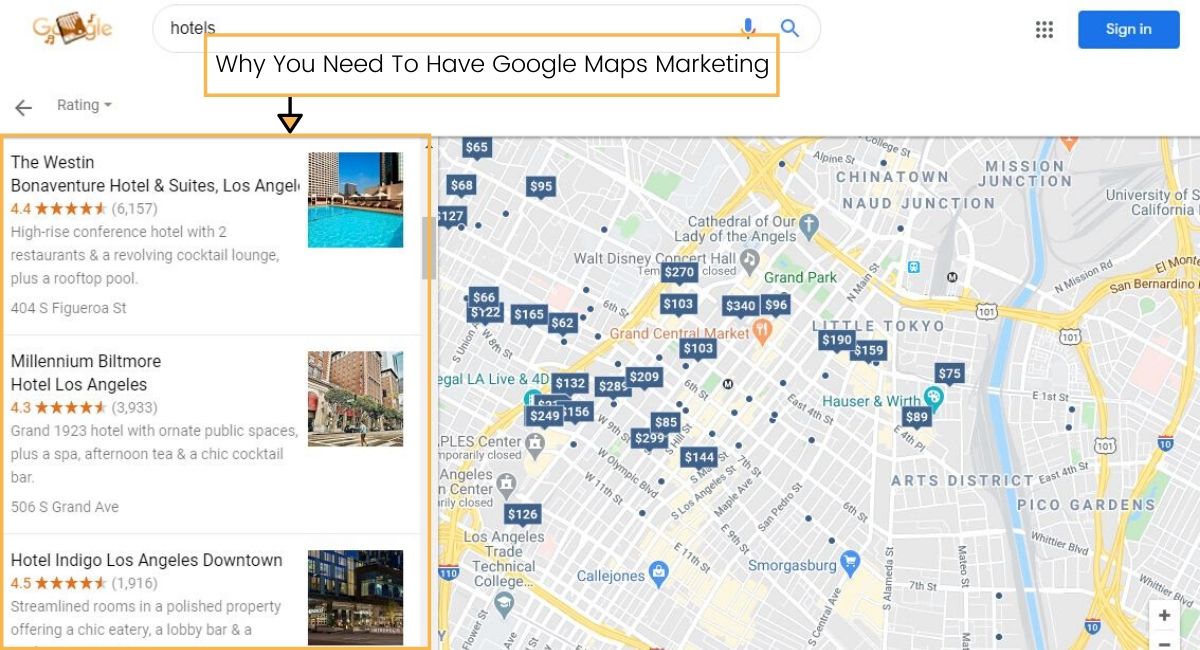
Google Maps is not just a tool for navigation; it has also become a powerful marketing platform for businesses looking to boost their online presence and attract local customers. Google Maps marketing is a strategic approach that leverages the visibility and reach of Google’s mapping service to drive foot traffic, enhance brand awareness, and increase sales.

Benefits of Google Maps Marketing:

  • Improved Local Visibility: By optimising your business listing on Google Maps, you can ensure that your company appears prominently in local search results when users are looking for products or services in their area.
  • Enhanced Brand Credibility: A well-maintained presence on Google Maps with positive reviews and accurate information can build trust with potential customers and establish your brand as a reputable local business.
  • Increased Website Traffic: Integrating Google Maps into your website can make it easier for visitors to find your physical location, leading to more foot traffic and potential conversions.
  • Mobile-Friendly Marketing: As more users rely on mobile devices for search, having a strong presence on Google Maps ensures that your business is easily accessible to consumers on the go.
  • Insightful Analytics: Google My Business provides valuable data and insights on how users interact with your listing, helping you make informed decisions to improve your marketing strategy.

Tips for Effective Google Maps Marketing:

  1. Create a Complete Business Profile: Ensure that your business listing on Google My Business is accurate, up-to-date, and includes relevant information such as contact details, opening hours, and photos.
  2. Solicit Customer Reviews: Encourage satisfied customers to leave positive reviews on your Google Maps listing to boost credibility and attract new clientele.
  3. Utilise Local SEO Strategies: Optimise your website content with local keywords and geo-targeted phrases to improve your ranking in local search results.
  4. Add Visual Content: Include high-quality images and videos of your business premises or products to engage users and showcase what sets you apart from competitors.
  5. Maintain Consistent NAP Data: Ensure that your business name, address, and phone number (NAP) are consistent across all online platforms to avoid confusion among potential customers.

In conclusion, Google Maps marketing presents a valuable opportunity for businesses to connect with local audiences, drive traffic to their physical locations, and establish a strong online presence. By implementing effective strategies and optimising their listings on this popular mapping service, businesses can reap the benefits of increased visibility, credibility, and customer engagement in today’s digital landscape.


Top 10 FAQs About Google Maps Marketing and Advertising

  1. Is Google Maps good for SEO?
  2. Is $20 a day good for Google Ads?
  3. How much does it cost to advertise on Google Maps?
  4. How do I get advertising on Google Maps?
  5. Can I get paid by Google Maps?
  6. Can you use Google Maps for marketing?
  7. How can I advertise on Google Maps?
  8. What is the Google Maps marketing strategy?
  9. How can I get Google Maps to advertise?
  10. Can I earn money with Google Maps?

Is Google Maps good for SEO?

When considering the impact of Google Maps on SEO, it is important to recognise the significant benefits it can offer to businesses. Google Maps plays a crucial role in local search engine optimisation (SEO) by enhancing a company’s online visibility, particularly for location-based searches. By optimising their presence on Google Maps through accurate business listings, positive reviews, and relevant keywords, businesses can improve their rankings in local search results and attract more potential customers. Therefore, leveraging Google Maps as part of an integrated SEO strategy can be highly advantageous for businesses looking to enhance their online presence and reach a wider audience.

Is $20 a day good for Google Ads?

When considering a daily budget of $20 for Google Ads, it is important to assess your specific advertising goals, target audience, and industry competition. While $20 a day can be a modest starting point for some businesses, it may not be sufficient for others with higher advertising costs or more competitive markets. It is advisable to conduct thorough research, monitor campaign performance closely, and adjust your budget accordingly to ensure optimal results and ROI from your Google Ads investment.

How much does it cost to advertise on Google Maps?

One of the frequently asked questions regarding Google Maps marketing is, “How much does it cost to advertise on Google Maps?” The cost of advertising on Google Maps can vary depending on several factors, such as the location of your business, the competitiveness of your industry, and the specific advertising options you choose. Google offers various advertising solutions, including local search ads and promoted pins, which allow businesses to target local customers and drive traffic to their physical locations. The pricing structure for advertising on Google Maps typically involves a pay-per-click (PPC) model, where businesses pay based on the number of clicks or interactions with their ads. It’s essential for businesses to set a budget that aligns with their marketing goals and objectives to maximise the effectiveness of their Google Maps advertising campaigns.

How do I get advertising on Google Maps?

To get advertising on Google Maps, businesses can utilise Google Ads to create location-based campaigns that target users within a specific geographic radius. By setting up a Google My Business account and linking it to Google Ads, businesses can promote their listings on Google Maps through features like Local Search Ads. These ads appear as pinned locations on the map, directing users to the business’s physical location or website. With detailed targeting options and bid strategies, businesses can effectively reach local customers searching for products or services in their vicinity through advertising on Google Maps.

Can I get paid by Google Maps?

When it comes to Google Maps, users often wonder if they can get paid by the platform. The answer is that Google Maps itself does not directly pay individuals for using or contributing to the service. However, businesses can leverage Google Maps marketing to attract customers and increase revenue through enhanced visibility and local search optimisation. By utilising Google Maps effectively as a marketing tool, businesses can drive traffic to their physical locations, ultimately leading to potential sales and business growth.

Can you use Google Maps for marketing?

Businesses can indeed utilise Google Maps for marketing purposes. Google Maps offers a valuable platform for businesses to enhance their online visibility, attract local customers, and drive foot traffic to their physical locations. By optimising their presence on Google Maps through strategies such as creating a detailed business profile, soliciting customer reviews, and incorporating local SEO techniques, businesses can effectively leverage this tool to promote their products or services, build brand credibility, and reach a wider audience of potential customers. With its mobile-friendly interface and insightful analytics capabilities, Google Maps serves as a powerful marketing tool that can help businesses connect with local consumers and grow their online presence.

How can I advertise on Google Maps?

To advertise on Google Maps, businesses can utilise Google Ads to create location-based campaigns that target users searching for products or services in specific geographic areas. By setting up a Google My Business account and linking it to Google Ads, businesses can showcase their ads on Google Maps when users perform relevant searches in their vicinity. Advertisers can customise their ads with location extensions, call-to-action buttons, and business details to attract local customers and drive foot traffic to their physical locations. With the ability to track ad performance and measure results, advertising on Google Maps offers businesses a targeted and cost-effective way to reach potential customers in their local area.

What is the Google Maps marketing strategy?

The Google Maps marketing strategy involves leveraging the power of Google’s mapping service to enhance a business’s online visibility and attract local customers. This strategic approach includes creating and optimising a Google My Business listing with accurate information, engaging visuals, and positive customer reviews. By utilising local SEO tactics, such as incorporating relevant keywords and geo-targeted phrases, businesses can improve their ranking in local search results and drive foot traffic to their physical locations. Consistency in NAP data (business name, address, phone number) across all online platforms is crucial for establishing credibility and ensuring a seamless customer experience. Ultimately, the Google Maps marketing strategy aims to boost brand awareness, increase website traffic, and build trust with potential customers through an effective online presence on this widely-used mapping platform.

How can I get Google Maps to advertise?

To get Google Maps to advertise your business, you can start by creating a Google My Business account and claiming your business listing. Once you have verified your ownership, you can set up an ad campaign through Google Ads that specifically targets users on Google Maps. By selecting location-based targeting options and creating engaging ad content, you can reach potential customers who are actively searching for products or services in your area. Utilising features such as local extensions and promoted pins can help increase the visibility of your ads on Google Maps and drive more traffic to your business.

Can I earn money with Google Maps?

Many individuals wonder whether it is possible to generate income through Google Maps. While Google Maps itself does not offer a direct way to earn money, businesses can leverage the platform for marketing purposes to attract customers and drive sales. By optimising their presence on Google Maps, businesses can enhance their visibility in local search results, increase foot traffic to their physical locations, and ultimately boost their revenue. Therefore, while Google Maps may not directly facilitate monetary transactions, it serves as a valuable tool for businesses looking to grow their customer base and improve their bottom line through effective marketing strategies.

firma seo

Unlocking Business Success: The Power of Professional Firma SEO Services

The Importance of SEO for Your Business

The Importance of SEO for Your Business

In today’s digital age, having a strong online presence is crucial for the success of any business. One of the most effective ways to improve your visibility and reach your target audience is through Search Engine Optimization (SEO).

SEO involves optimizing your website and online content to rank higher in search engine results pages like Google. By implementing SEO strategies, you can increase organic traffic to your site, improve brand awareness, and ultimately drive more leads and sales.

Key Benefits of SEO for Businesses:

  • Increased Visibility: By appearing higher in search results, your business becomes more visible to potential customers searching for products or services related to what you offer.
  • Targeted Traffic: SEO helps attract relevant traffic to your website from users who are actively searching for information or solutions that your business provides.
  • Brand Credibility: Ranking well in search engines builds trust and credibility with consumers, as they are more likely to trust websites that appear at the top of search results.
  • Cost-Effective Marketing: Compared to traditional advertising methods, SEO offers a cost-effective way to reach a larger audience and generate leads over time.
  • Long-Term Results: While SEO requires ongoing effort and monitoring, the results are long-lasting and can continue to benefit your business in the months and years ahead.

Choosing the Right SEO Firm:

When it comes to implementing SEO strategies for your business, partnering with a reputable SEO firm can make all the difference. A professional firm will have the expertise, tools, and resources needed to develop and execute effective SEO campaigns tailored to your specific goals.

An experienced SEO firm will conduct thorough keyword research, optimize on-page elements of your website, build quality backlinks, and provide regular reports on performance metrics. They will also stay up-to-date with industry trends and algorithm changes to ensure that your website remains competitive in search rankings.

By investing in professional SEO services from a trusted firm, you can position your business for success online and stay ahead of the competition in today’s competitive digital landscape.

© 2023 The Importance of SEO for Your Business – All rights reserved


Essential FAQs on SEO: Understanding Its Importance and Impact for Businesses

  1. What is SEO and why is it important for businesses?
  2. How can SEO help improve my website’s visibility?
  3. What are the key benefits of investing in SEO for a business?
  4. How long does it take to see results from SEO efforts?
  5. What are the common SEO strategies used by firms to boost online presence?
  6. How much does SEO services typically cost for businesses?
  7. Can I do SEO myself or should I hire a professional firm?
  8. What sets apart a reputable SEO firm from others in the industry?

What is SEO and why is it important for businesses?

Search Engine Optimization (SEO) is a crucial digital marketing strategy that focuses on enhancing a website’s visibility in search engine results pages. It involves optimizing various elements of a website, such as content, keywords, and backlinks, to improve its ranking on search engines like Google. SEO is vital for businesses as it helps increase organic traffic to their websites, making it easier for potential customers to find them online. By improving visibility and appearing higher in search results, businesses can attract more targeted traffic, build brand credibility, and ultimately drive leads and sales. In today’s competitive online landscape, investing in SEO is essential for businesses looking to establish a strong online presence and stay ahead of the competition.

How can SEO help improve my website’s visibility?

Search Engine Optimization (SEO) plays a crucial role in enhancing your website’s visibility by improving its ranking on search engine results pages. By implementing SEO strategies such as keyword optimization, content creation, and link building, your website becomes more attractive to search engines like Google. As a result, when users search for relevant keywords related to your business, your website is more likely to appear higher in search results. This increased visibility not only drives organic traffic to your site but also helps build brand credibility and trust among your target audience. Ultimately, SEO acts as a powerful tool to boost your online presence and attract quality traffic that can lead to increased conversions and business growth.

What are the key benefits of investing in SEO for a business?

Investing in SEO for a business offers a multitude of key benefits that can significantly impact its online visibility and overall success. By prioritising SEO, businesses can experience increased visibility in search engine results, attracting targeted traffic from users actively seeking their products or services. This heightened visibility not only enhances brand credibility but also establishes trust with potential customers. Furthermore, SEO provides a cost-effective marketing solution, offering long-term results that continue to drive organic traffic and generate leads over time. Ultimately, investing in SEO through a reputable firm can propel a business ahead of its competitors and position it for sustained growth in the digital landscape.

How long does it take to see results from SEO efforts?

One frequently asked question regarding SEO firms is, “How long does it take to see results from SEO efforts?” The timeline for seeing results from SEO strategies can vary depending on various factors, such as the competitiveness of the industry, the current state of your website, and the effectiveness of the implemented SEO tactics. Generally, it may take a few months to start seeing noticeable improvements in search engine rankings and organic traffic. However, it’s important to understand that SEO is a long-term investment, and consistent efforts over time are required to achieve sustainable results that contribute to the growth and success of your online presence.

What are the common SEO strategies used by firms to boost online presence?

When it comes to enhancing online presence, firms often employ a variety of SEO strategies to improve their visibility and reach their target audience effectively. Some common SEO tactics used by firms include keyword research and optimization, on-page SEO techniques such as meta tags and headings, creating high-quality and relevant content, building authoritative backlinks from reputable websites, optimizing website speed and mobile-friendliness, as well as monitoring and analysing performance through tools like Google Analytics. By implementing these strategies strategically and consistently, firms can boost their online presence, increase organic traffic, and ultimately drive more conversions and business growth.

How much does SEO services typically cost for businesses?

When considering SEO services for businesses, the cost can vary depending on several factors such as the size of the business, the scope of the project, and the level of competition in the industry. Typically, SEO services can range from a few hundred to several thousand pounds per month. It’s important for businesses to understand that investing in quality SEO services is an essential part of establishing and maintaining a strong online presence. While the initial cost may seem significant, the long-term benefits of improved visibility, increased website traffic, and higher conversion rates make it a worthwhile investment for businesses looking to succeed in the digital landscape.

Can I do SEO myself or should I hire a professional firm?

When considering whether to handle SEO independently or enlist the services of a professional firm, it’s essential to weigh the pros and cons. While it’s possible to undertake basic SEO tasks yourself, such as keyword research and content optimization, achieving sustainable results often requires a deeper understanding of SEO techniques and algorithms. Professional SEO firms bring expertise, experience, and resources to the table, enabling them to develop comprehensive strategies tailored to your business goals. By partnering with a reputable firm, you can benefit from their in-depth knowledge, industry insights, and ability to navigate the ever-evolving landscape of search engine optimisation, ultimately maximising your online visibility and driving tangible results for your business.

What sets apart a reputable SEO firm from others in the industry?

When considering what distinguishes a reputable SEO firm from others in the industry, several key factors come into play. A reputable SEO firm stands out through its proven track record of delivering tangible results for clients, backed by case studies and testimonials. They demonstrate a deep understanding of search engine algorithms and best practices, staying abreast of industry updates to adapt strategies accordingly. Moreover, transparency and clear communication are hallmarks of a reputable SEO firm, ensuring clients are informed every step of the way. Finally, a commitment to ethical practices, continuous learning, and a client-centric approach sets apart a reputable SEO firm as a trusted partner in achieving online success.

ebay seo

Unlocking Success: Mastering eBay SEO Strategies for Enhanced Visibility

eBay SEO: Optimising Your Listings for Success

eBay SEO: Optimising Your Listings for Success

When it comes to selling products on eBay, having a strong search engine optimisation (SEO) strategy can make all the difference in attracting potential buyers and increasing your sales. Just like traditional websites, eBay listings can benefit from SEO techniques that improve visibility and ranking within the eBay search results.

Key Elements of eBay SEO

Optimising your eBay listings involves several key elements:

  • Title: Craft compelling titles that include relevant keywords to improve search visibility.
  • Description: Write detailed descriptions with relevant keywords to provide valuable information to potential buyers and boost SEO.
  • Images: High-quality images not only attract buyers but also contribute to better search rankings.
  • Keywords: Conduct keyword research to identify terms that buyers are searching for and incorporate them naturally into your listings.
  • Categorisation: Properly categorise your items to ensure they appear in relevant searches within eBay.

Tips for Effective eBay SEO

To enhance the SEO of your eBay listings, consider the following tips:

  1. Use Long-Tail Keywords: Target specific, long-tail keywords that reflect what buyers are looking for.
  2. Ongoing Optimisation: Regularly review and update your listings with fresh content and keywords to maintain relevance.
  3. Social Proof: Encourage positive reviews and feedback from customers, as they can boost the credibility of your listings.
  4. Cross-Promotion: Utilise eBay’s promotional tools to cross-promote related items and increase visibility across different listings.

The Impact of eBay SEO on Sales

A well-executed SEO strategy on eBay can lead to increased visibility, higher click-through rates, and ultimately more sales. By optimising your listings for relevant keywords and ensuring they provide valuable information to potential buyers, you can stand out in a competitive marketplace and attract the right audience for your products.

In conclusion, investing time and effort into eBay SEO can significantly benefit your online sales performance. By implementing best practices and staying informed about changes in eBay’s algorithms, you can maximise the potential of your listings and achieve greater success as an eBay seller.


9 Essential Tips for Enhancing Your eBay SEO Success

  1. Use relevant keywords in your item titles and descriptions
  2. Include high-quality images with descriptive filenames
  3. Offer competitive pricing to attract more buyers
  4. Provide detailed item specifications and information
  5. Utilize eBay’s item specifics to improve search visibility
  6. Encourage positive feedback from satisfied customers
  7. Optimise your listings for mobile users
  8. Regularly update your inventory to keep it fresh and engaging
  9. Promote your listings through social media and other online channels

Use relevant keywords in your item titles and descriptions

Utilising relevant keywords in your eBay item titles and descriptions is a crucial aspect of effective eBay SEO. By incorporating keywords that accurately reflect the products you are selling, you increase the likelihood of your listings appearing in relevant search results. Potential buyers often use specific terms to search for items, so aligning your titles and descriptions with these keywords can significantly improve visibility and attract the right audience to your listings. Remember to use keywords naturally and strategically to enhance both search engine rankings and the overall quality of your listings on eBay.

Include high-quality images with descriptive filenames

Including high-quality images with descriptive filenames is a crucial tip for effective eBay SEO. By using clear, detailed images that showcase your products in the best light, you not only attract potential buyers but also enhance your search visibility. Additionally, assigning descriptive filenames to your images, incorporating relevant keywords where appropriate, can further boost the SEO value of your listings. This practice not only helps eBay’s search algorithm understand the content of your images but also improves the overall user experience for shoppers browsing your products.

Offer competitive pricing to attract more buyers

Offering competitive pricing is a crucial strategy in eBay SEO to attract a larger pool of potential buyers. By pricing your products competitively, you not only stand out in search results but also appeal to cost-conscious shoppers looking for the best deals. Competitive pricing can help increase click-through rates and drive more traffic to your listings, ultimately leading to higher sales volume and improved visibility on eBay.

Provide detailed item specifications and information

When implementing eBay SEO, it is crucial to provide detailed item specifications and information in your listings. By offering comprehensive details about your products, including dimensions, materials, features, and any other relevant information, you not only enhance the buyer’s understanding but also improve your search visibility. Detailed item specifications not only help potential buyers make informed decisions but also signal to eBay’s search algorithm that your listing is thorough and relevant. This practice can lead to higher rankings in search results and increased trust from buyers, ultimately contributing to improved sales performance on eBay.

Utilize eBay’s item specifics to improve search visibility

By utilising eBay’s item specifics feature, sellers can enhance their search visibility on the platform. By providing detailed and accurate information about the specific attributes of their products, such as brand, model, size, colour, and more, sellers can improve the relevance of their listings in search results. This not only helps potential buyers find exactly what they are looking for but also increases the chances of their listings appearing higher in search rankings. Leveraging eBay’s item specifics is a valuable strategy to boost visibility and attract the right audience to your listings.

Encourage positive feedback from satisfied customers

Encouraging positive feedback from satisfied customers is a valuable strategy in eBay SEO. Positive reviews not only enhance the credibility of your listings but also contribute to building trust with potential buyers. By providing excellent customer service and delivering on promises, you can increase the likelihood of receiving favourable feedback. These positive reviews can help boost your seller rating, improve your search rankings, and ultimately drive more sales on eBay.

Optimise your listings for mobile users

Optimising your eBay listings for mobile users is crucial in today’s digital landscape. With the increasing number of shoppers using mobile devices to browse and make purchases, ensuring that your listings are mobile-friendly can significantly improve user experience and boost conversions. By adopting responsive design, concise yet informative content, and easy navigation, you can cater to the needs of mobile users and enhance the visibility and accessibility of your products on eBay. Prioritising mobile optimisation not only aligns with current consumer trends but also positions your listings for success in a mobile-first world.

Regularly update your inventory to keep it fresh and engaging

To enhance your eBay SEO strategy, it is crucial to regularly update your inventory to maintain freshness and engagement. By adding new products, refreshing descriptions, and updating images, you not only keep your listings relevant but also attract potential buyers with fresh content. This practice signals to both eBay’s search algorithms and customers that your store is active and up-to-date, increasing the likelihood of improved visibility and sales opportunities. Consistent updates demonstrate your commitment to providing a dynamic shopping experience, ultimately contributing to the success of your eBay business.

Promote your listings through social media and other online channels

To enhance the visibility of your eBay listings and attract a wider audience, consider promoting them through social media and other online channels. Sharing your listings on platforms like Facebook, Instagram, Twitter, and Pinterest can increase exposure and drive more traffic to your eBay store. By leveraging the power of social media marketing and other online channels, you can reach potential buyers who may not have discovered your listings through eBay alone, ultimately boosting sales and expanding your customer base.

top social media marketing companies

Discover the Top Social Media Marketing Companies in the UK

Top Social Media Marketing Companies

The Top Social Media Marketing Companies in the UK

Social media has become a powerful tool for businesses to connect with their audience, build brand awareness, and drive sales. To leverage the full potential of social media marketing, many companies turn to specialised agencies that excel in this field. Here are some of the top social media marketing companies in the UK:

Social Chain

Social Chain is a leading social media marketing agency known for its innovative campaigns and ability to create viral content. With a strong focus on influencer marketing and data-driven strategies, Social Chain helps brands maximise their presence on platforms like Facebook, Instagram, and Twitter.

We Are Social

We Are Social is a global agency with offices in London that specialises in social media marketing and digital communication. Their team of experts combines creativity with strategic thinking to deliver impactful campaigns that resonate with audiences across various social channels.

Born Social

Born Social is a boutique agency that prides itself on creating authentic and engaging social media experiences for brands. With a focus on storytelling and community building, Born Social helps clients connect with their target audience in meaningful ways.

The Drum Recommends: Commended

The Drum Recommends: Commended is an agency recommendation platform that recognises top-performing companies in various marketing disciplines, including social media. Agencies listed under this category have demonstrated excellence in delivering effective social media strategies for their clients.

These are just a few examples of the top social media marketing companies in the UK that can help businesses elevate their online presence and engage with customers effectively through social channels.


Top Social Media Marketing Companies: Answering Your Frequently Asked Questions

  1. Which company is best for social media marketing?
  2. What is the biggest social media agency?
  3. What is the most popular social media marketing?
  4. Which is the best social media marketing company?
  5. Who is the king of social media marketing?
  6. Which social media site is best for marketing?

Which company is best for social media marketing?

When it comes to determining the best company for social media marketing, several factors come into play. The ideal choice often depends on the specific needs and goals of a business. Companies like Social Chain, We Are Social, and Born Social are renowned for their innovative strategies and successful campaigns. However, the best company for social media marketing is one that aligns closely with a business’s objectives, offers tailored solutions, demonstrates a deep understanding of the target audience, and delivers measurable results. Conducting thorough research, reading client testimonials, and evaluating past performance can help businesses identify the right social media marketing partner that suits their requirements and budget.

What is the biggest social media agency?

When it comes to identifying the biggest social media agency, the answer may vary depending on different factors such as revenue, client base, global reach, and industry influence. Several prominent social media agencies like Social Chain, We Are Social, and Born Social are widely recognised for their significant impact in the industry. While there isn’t a definitive “biggest” social media agency, these companies stand out for their innovative strategies, creative campaigns, and ability to drive results for clients across various social platforms. Ultimately, the biggest agency may be subjective and can be determined by specific criteria or perspectives within the dynamic landscape of social media marketing.

One of the most frequently asked questions regarding top social media marketing companies is, “What is the most popular social media platform for marketing?” In today’s digital landscape, the answer to this question often varies depending on factors such as target audience demographics, industry niche, and campaign objectives. However, platforms like Facebook, Instagram, and Twitter continue to be among the most popular choices for social media marketing due to their wide user base, diverse advertising options, and robust engagement features. Understanding the unique strengths and audience preferences of each platform is crucial for businesses seeking to maximise their marketing efforts and achieve success in the competitive world of social media marketing.

Which is the best social media marketing company?

When it comes to determining the best social media marketing company, the answer can vary depending on specific business needs and objectives. The best social media marketing company for one business may not necessarily be the ideal choice for another. Factors such as industry expertise, track record of success, innovative strategies, and client satisfaction all play a crucial role in determining the top social media marketing company. It is essential for businesses to conduct thorough research, read reviews, and request consultations to find a company that aligns with their goals and can deliver results effectively in the realm of social media marketing.

Who is the king of social media marketing?

The question of who holds the title of the “king of social media marketing” is subjective and can vary depending on individual perspectives and industry trends. In the realm of social media marketing, there are several prominent companies known for their innovative strategies and impactful campaigns that have reshaped the digital landscape. While names like Social Chain, We Are Social, and Born Social are often recognised for their exceptional work in the field, determining a singular “king” remains elusive due to the dynamic nature of social media platforms and ever-evolving marketing techniques. Each company brings its unique strengths and approaches to the table, contributing to the diverse ecosystem of social media marketing leaders in the UK.

Which social media site is best for marketing?

When considering which social media site is best for marketing, the answer largely depends on the target audience and goals of the marketing campaign. Facebook remains a popular choice due to its vast user base and robust advertising options, making it suitable for reaching a wide demographic. Instagram is ideal for visually-driven brands looking to engage with a younger audience, while LinkedIn is preferred for B2B marketing and professional networking. Twitter’s real-time engagement makes it suitable for timely promotions and customer service interactions. Ultimately, the best social media site for marketing will be the one that aligns most closely with the brand’s objectives and resonates with its target audience.

business seo

Maximising Online Success: The Power of Business SEO Strategies

The Importance of Business SEO for Online Success

The Importance of Business SEO for Online Success

In today’s digital age, having a strong online presence is crucial for the success of any business. Search Engine Optimization (SEO) plays a key role in ensuring that your business is visible to potential customers searching for products or services online.

Business SEO involves optimizing your website to rank higher in search engine results pages (SERPs) for relevant keywords related to your industry. By implementing effective SEO strategies, you can attract more organic traffic to your site, increase brand awareness, and ultimately drive more leads and sales.

Benefits of Business SEO:

  • Increased Visibility: By appearing at the top of search results, your business gains visibility and credibility among potential customers.
  • Targeted Traffic: SEO helps you reach users who are actively searching for products or services that you offer, increasing the likelihood of conversion.
  • Brand Authority: A strong SEO presence helps establish your brand as an authority in your industry, building trust with customers.
  • Cost-Effective Marketing: Compared to traditional advertising methods, SEO provides a cost-effective way to reach a targeted audience and generate leads.
  • Long-Term Results: While SEO requires ongoing effort, the results are long-lasting and can continue to benefit your business over time.

Key Elements of Business SEO:

Effective business SEO involves various strategies and techniques, including:

  1. Keyword Research: Identifying relevant keywords that potential customers are using to search for products or services in your industry.
  2. On-Page Optimization: Optimizing website content, meta tags, headings, and images to improve search engine visibility.
  3. Link Building: Acquiring quality backlinks from reputable websites to enhance the authority and credibility of your site.
  4. Local SEO: Optimizing your online presence for local searches to target customers in specific geographic areas.
  5. User Experience (UX): Ensuring that your website is user-friendly, mobile-responsive, and offers a seamless browsing experience.

In conclusion, investing in business SEO is essential for staying competitive in today’s digital landscape. By implementing effective SEO strategies tailored to your business goals, you can improve online visibility, attract targeted traffic, and achieve sustainable growth over time. If you’re looking to enhance your online presence and drive more leads and sales, consider integrating business SEO into your marketing strategy today.


6 Essential SEO Tips to Boost Your Business Website’s Visibility

  1. Create high-quality and relevant content for your website.
  2. Optimize your website’s meta tags, titles, and descriptions with relevant keywords.
  3. Build quality backlinks from reputable websites in your industry.
  4. Improve website loading speed for better user experience and SEO ranking.
  5. Utilize local SEO strategies to target customers in specific geographic areas.
  6. Regularly monitor and analyse your website’s performance using tools like Google Analytics.

Create high-quality and relevant content for your website.

Creating high-quality and relevant content for your website is a fundamental tip in business SEO. By producing informative and engaging content that resonates with your target audience, you not only enhance the user experience but also improve your website’s visibility in search engine results. Search engines value fresh, original content that provides value to users, making it essential to regularly update your site with relevant information, industry insights, and solutions to common queries. By prioritising quality content creation, you can establish your brand as an authority in your field and attract organic traffic that is more likely to convert into leads or customers.

Optimize your website’s meta tags, titles, and descriptions with relevant keywords.

To enhance your business’s SEO performance, it is crucial to optimise your website’s meta tags, titles, and descriptions with relevant keywords. By incorporating targeted keywords into these elements, you can improve your site’s visibility in search engine results and attract more qualified traffic. Crafting compelling meta tags, titles, and descriptions that accurately reflect your content while including strategic keywords can significantly boost your website’s search engine ranking and click-through rates. This simple yet effective strategy can make a substantial difference in driving organic traffic to your site and ultimately increasing conversions.

Building quality backlinks from reputable websites in your industry is a crucial tip for enhancing your business SEO strategy. By earning backlinks from trusted and relevant sources, you not only improve your website’s authority and credibility in the eyes of search engines but also increase the likelihood of driving organic traffic to your site. These high-quality backlinks act as endorsements of your content and services, signalling to search engines that your website is a valuable resource within your industry. Therefore, prioritising the acquisition of quality backlinks can significantly boost your search engine rankings and ultimately contribute to the overall success of your online presence.

Improve website loading speed for better user experience and SEO ranking.

Optimising your website loading speed is a crucial tip for enhancing both user experience and SEO ranking. A fast-loading website not only provides visitors with a seamless browsing experience but also signals to search engines that your site is reliable and user-friendly. By prioritising website speed, you can reduce bounce rates, increase engagement, and improve your chances of ranking higher in search results. Investing in optimisation techniques such as image compression, minifying code, and leveraging browser caching can significantly boost your website’s performance and ultimately drive more traffic and conversions to your business.

Utilize local SEO strategies to target customers in specific geographic areas.

To enhance your business’s online visibility and attract customers in specific geographic areas, it is essential to leverage local SEO strategies. By optimising your website with location-specific keywords, creating Google My Business listings, and obtaining local citations, you can increase your chances of appearing in local search results. Targeting customers in specific regions through local SEO not only improves your visibility to relevant audiences but also enhances your credibility as a local business, ultimately driving more foot traffic and online conversions.

Regularly monitor and analyse your website’s performance using tools like Google Analytics.

Regularly monitoring and analysing your website’s performance using tools like Google Analytics is a crucial tip for effective business SEO. By tracking key metrics such as website traffic, user behaviour, and conversion rates, you can gain valuable insights into how your site is performing and identify areas for improvement. This data-driven approach allows you to make informed decisions about your SEO strategies, optimise your website for better results, and ultimately enhance your online visibility and success.

website keyword ranking

Unlocking Success: Mastering Website Keyword Ranking Strategies

Understanding Website Keyword Ranking

The Importance of Website Keyword Ranking

Website keyword ranking plays a crucial role in the success of any online business or website. Keywords are the foundation of search engine optimisation (SEO) and directly impact how well your website ranks in search engine results pages (SERPs).

What is Website Keyword Ranking?

Website keyword ranking refers to the position of your website in search engine results for specific keywords or phrases. When a user enters a query into a search engine, the search algorithm scans through millions of web pages to deliver the most relevant results.

Why is it Important?

Having a high keyword ranking means that your website is more likely to appear at the top of search results when users search for relevant terms. This visibility can drive organic traffic to your site, increase brand awareness, and ultimately lead to more conversions and sales.

How to Improve Keyword Ranking

Improving your website’s keyword ranking requires a strategic approach to SEO. Here are some key steps you can take:

  • Keyword Research: Identify relevant keywords that your target audience is searching for.
  • On-Page Optimisation: Optimise your website’s content, meta tags, and URLs with targeted keywords.
  • Quality Content: Create high-quality, engaging content that incorporates your chosen keywords naturally.
  • Backlink Building: Acquire backlinks from reputable websites to boost your site’s authority and credibility.
  • Regular Monitoring: Track your keyword rankings regularly and make adjustments as needed based on performance.

The Role of Search Engines

Search engines like Google use complex algorithms to determine website rankings based on factors such as relevance, authority, and user experience. By understanding these algorithms and optimising your site accordingly, you can improve your keyword ranking over time.

In Conclusion

In today’s competitive online landscape, achieving a high website keyword ranking is essential for driving traffic and growing your business. By implementing effective SEO strategies and staying informed about industry trends, you can enhance your website’s visibility and reach a wider audience online.


Top 6 Tips for Enhancing Your Website’s Keyword Ranking

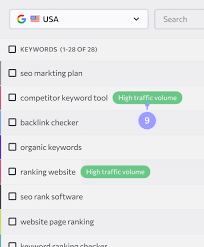
  1. Perform keyword research to identify relevant and high-traffic keywords for your website.
  2. Optimize your website content by including the chosen keywords in titles, headings, and throughout the text.
  3. Create high-quality and engaging content that is valuable to your target audience.
  4. Improve website loading speed as faster websites tend to rank higher in search engine results.
  5. Utilize meta tags effectively by including keywords in meta titles and descriptions.
  6. Regularly monitor and analyse keyword rankings using tools like Google Analytics or SEMrush.

Perform keyword research to identify relevant and high-traffic keywords for your website.

Performing thorough keyword research is a fundamental step in enhancing your website’s keyword ranking. By identifying relevant and high-traffic keywords specific to your niche or industry, you can effectively target your audience and improve your website’s visibility in search engine results. Understanding the search terms that potential visitors use allows you to tailor your content and SEO strategies to attract more organic traffic and ultimately boost your online presence.

Optimize your website content by including the chosen keywords in titles, headings, and throughout the text.

To enhance your website keyword ranking, it is crucial to optimise your website content strategically. Incorporating the selected keywords in titles, headings, and throughout the text not only improves the relevance of your content but also signals to search engines the key topics your website covers. By seamlessly integrating these keywords into different elements of your content, you can boost your chances of ranking higher in search engine results and attracting organic traffic to your site.

Create high-quality and engaging content that is valuable to your target audience.

Creating high-quality and engaging content that provides value to your target audience is a fundamental tip for improving website keyword ranking. By producing content that is relevant, informative, and tailored to the needs of your visitors, you not only enhance user experience but also increase the likelihood of ranking higher in search engine results. Search engines reward websites that offer valuable content by boosting their visibility and authority, making it essential to focus on creating compelling material that resonates with your audience and aligns with your chosen keywords.

Improve website loading speed as faster websites tend to rank higher in search engine results.

Improving your website loading speed is a crucial tip for enhancing website keyword ranking. Studies have shown that faster websites have a higher likelihood of ranking well in search engine results pages. Search engines like Google consider loading speed as a key factor in determining user experience, and websites that load quickly are often rewarded with higher rankings. By optimising your website’s loading speed, you not only improve user satisfaction but also increase the chances of attracting more organic traffic and boosting your overall search engine visibility.

Utilize meta tags effectively by including keywords in meta titles and descriptions.

To enhance your website keyword ranking, it is crucial to utilise meta tags effectively by incorporating relevant keywords in both meta titles and descriptions. Meta tags play a significant role in informing search engines about the content of your web pages. By strategically placing keywords in meta titles and descriptions, you can improve the visibility of your site in search engine results pages (SERPs) and attract more organic traffic. This simple yet powerful tip can help boost your website’s search engine optimisation (SEO) efforts and increase the likelihood of reaching your target audience online.

Regularly monitor and analyse keyword rankings using tools like Google Analytics or SEMrush.

Regularly monitoring and analysing keyword rankings is a crucial tip for improving your website’s performance in search engine results. By utilising tools such as Google Analytics or SEMrush, you can gain valuable insights into how your chosen keywords are performing and make informed decisions to optimise your SEO strategy. Tracking keyword rankings allows you to identify trends, measure the effectiveness of your efforts, and adjust your content and optimisation techniques accordingly to enhance your website’s visibility and attract more organic traffic.

seo prestashop

Mastering PrestaShop SEO Strategies for E-commerce Success

Unlocking the Power of SEO for PrestaShop Websites

The Ultimate Guide to SEO for PrestaShop

In the competitive world of e-commerce, having a strong online presence is crucial for success. If you’re running a PrestaShop website, you have a powerful platform at your disposal. However, to truly stand out and attract more customers, you need to harness the power of SEO.

What is SEO for PrestaShop?

SEO (Search Engine Optimization) for PrestaShop involves implementing strategies to improve your website’s visibility in search engine results pages. By optimising your PrestaShop site for search engines, you can increase organic traffic, improve rankings, and ultimately drive more sales.

Key SEO Strategies for PrestaShop

Optimise Your Product Pages: Ensure that each product page on your PrestaShop website is optimised with relevant keywords, high-quality images, and detailed descriptions.

Create Unique Meta Titles and Descriptions: Craft compelling meta titles and descriptions for each page on your site to improve click-through rates and search engine visibility.

Improve Site Speed: Optimise your PrestaShop website for speed to provide a better user experience and boost your search engine rankings.

Benefits of SEO for PrestaShop

– Increased Visibility: By implementing SEO best practices, your PrestaShop website can rank higher in search results, making it easier for potential customers to find you.

– Enhanced User Experience: SEO techniques such as improving site speed and mobile responsiveness can enhance the overall user experience on your PrestaShop site.

– Higher Conversion Rates: With improved visibility and user experience, you are likely to see an increase in conversion rates as more visitors are attracted to your site.

Get Started with SEO for Your PrestaShop Website

If you’re ready to take your PrestaShop website to the next level, investing in SEO is a smart move. Whether you choose to handle it yourself or enlist the help of professionals, implementing effective SEO strategies can significantly impact the success of your e-commerce business.


Top 8 SEO Tips for Enhancing Your PrestaShop Store’s Online Visibility

  1. Optimize product titles and descriptions with relevant keywords
  2. Create SEO-friendly URLs for your PrestaShop store
  3. Optimize images by using descriptive filenames and alt text
  4. Improve site speed for better user experience and search engine ranking
  5. Generate XML sitemaps to help search engines crawl and index your site
  6. Utilize meta tags effectively, including meta titles and descriptions
  7. Implement structured data markup to enhance search results appearance
  8. Regularly monitor and analyse your SEO performance using tools like Google Analytics

Optimize product titles and descriptions with relevant keywords

To enhance the visibility and search engine ranking of your PrestaShop website, it is essential to optimise product titles and descriptions with relevant keywords. By incorporating targeted keywords that align with what potential customers are searching for, you can attract more organic traffic to your site. Crafting compelling and informative product titles and descriptions not only improves your SEO performance but also enhances the user experience, helping visitors find the products they are looking for quickly and easily. This simple yet effective tip can make a significant difference in driving traffic and boosting sales for your PrestaShop e-commerce store.

Create SEO-friendly URLs for your PrestaShop store

Creating SEO-friendly URLs for your PrestaShop store is a crucial step in optimising your website for search engines. By incorporating relevant keywords and descriptive phrases into your URLs, you can improve the visibility of your online store in search engine results. SEO-friendly URLs not only make it easier for search engines to understand the content of your pages but also enhance the user experience by providing clear and informative links. This simple yet effective technique can have a significant impact on your PrestaShop store’s search engine rankings and ultimately drive more organic traffic to your site.

Optimize images by using descriptive filenames and alt text

When it comes to enhancing the SEO performance of your PrestaShop website, a valuable tip is to optimise images by utilising descriptive filenames and alt text. By naming images with relevant keywords and providing detailed alt text descriptions, you not only improve the accessibility of your site for visually impaired users but also provide search engines with valuable information about the content of your images. This simple yet effective practice can boost your website’s visibility in search results and contribute to a better overall user experience.

Improve site speed for better user experience and search engine ranking

Improving the site speed of your PrestaShop website is a crucial tip for enhancing both user experience and search engine ranking. A fast-loading website not only provides visitors with a seamless browsing experience but also signals to search engines that your site is reliable and user-friendly. By optimising your site speed, you can reduce bounce rates, increase engagement, and ultimately improve your chances of ranking higher in search results. Prioritising site speed is a simple yet effective way to boost both user satisfaction and SEO performance for your PrestaShop online store.

Generate XML sitemaps to help search engines crawl and index your site

Generating XML sitemaps is a crucial tip for enhancing the SEO of your PrestaShop website. By creating these sitemaps, you provide search engines with a roadmap to efficiently crawl and index all the pages on your site. This not only helps search engines discover your content more easily but also ensures that all your important pages are properly indexed, ultimately improving your site’s visibility and ranking in search engine results.

Utilize meta tags effectively, including meta titles and descriptions

Effective utilisation of meta tags, such as meta titles and descriptions, is a crucial aspect of SEO for PrestaShop websites. By crafting compelling and relevant meta titles and descriptions, businesses can improve their click-through rates in search engine results pages, thereby enhancing their visibility and attracting more potential customers. These meta tags not only communicate the content of the page to search engines but also serve as a powerful tool to entice users to click on your website, making them an essential component of any successful SEO strategy for PrestaShop.

Implement structured data markup to enhance search results appearance

By implementing structured data markup on your PrestaShop website, you can enhance the appearance of your search results in a significant way. Structured data helps search engines better understand the content on your site, allowing them to display rich snippets that provide users with more information directly in the search results. This not only improves the visibility of your website but also increases the likelihood of attracting clicks from users who are looking for specific products or information. Integrating structured data markup is a powerful SEO strategy that can give your PrestaShop site a competitive edge in search engine rankings.

Regularly monitor and analyse your SEO performance using tools like Google Analytics

Regularly monitoring and analysing your SEO performance using tools like Google Analytics is essential for the success of your PrestaShop website. By tracking key metrics such as organic traffic, keyword rankings, and user behaviour, you can gain valuable insights into the effectiveness of your SEO strategies. This data allows you to identify areas for improvement, measure the impact of your efforts, and make informed decisions to enhance your website’s visibility and performance in search engine results.

etsy seo 2020

Unlocking Success: Mastering Etsy SEO Strategies in 2020

The Ultimate Guide to Etsy SEO in 2020

The Ultimate Guide to Etsy SEO in 2020

When it comes to selling on Etsy, having a strong grasp of SEO (Search Engine Optimization) can make all the difference in reaching your target audience and boosting your sales. In 2020, with the ever-evolving digital landscape, mastering Etsy SEO is crucial for standing out amidst the competition.

Understanding Etsy SEO

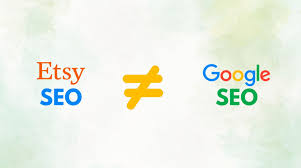
Etsy SEO involves optimising your product listings to rank higher in search results within the Etsy platform itself. By strategically incorporating relevant keywords, tags, and descriptions, you can increase the visibility of your products to potential buyers.

Key Strategies for Etsy SEO in 2020

  • Keyword Research: Conduct thorough keyword research to identify popular search terms related to your products. Use these keywords strategically in your titles, tags, and descriptions.
  • Optimise Product Titles: Craft concise and descriptive titles that include relevant keywords. Avoid generic titles and instead focus on specific details that set your products apart.
  • Create Detailed Descriptions: Provide comprehensive descriptions that not only describe your products but also include relevant keywords naturally.
  • Utilise Tags Wisely: Make use of all available tag spaces and choose tags that accurately reflect your product while considering popular search terms.
  • High-Quality Images: Ensure that your product images are high-quality and visually appealing as they play a significant role in attracting potential buyers.
  • Promote Customer Reviews: Encourage satisfied customers to leave positive reviews as they can boost your credibility and improve search rankings.

The Future of Etsy SEO

In 2020 and beyond, staying updated with the latest trends and algorithm changes is essential for maintaining a competitive edge on Etsy. Embrace new features introduced by the platform, such as video listings or enhanced analytics tools, to further enhance your SEO strategies.

In conclusion, mastering Etsy SEO in 2020 requires a combination of creativity, strategic thinking, and adaptability. By implementing these key strategies and staying informed about industry developments, you can elevate your presence on Etsy and drive success for your online store.


Top 6 Tips for Enhancing Your Etsy SEO in 2020

  1. 1. Use relevant keywords in your product titles and descriptions to improve search visibility.
  2. 2. Fill out all available tags with specific and descriptive terms related to your products.
  3. 3. Utilize long-tail keywords that are more specific and less competitive for better ranking.
  4. 4. Regularly update your listings with fresh content to show Etsy that your shop is active.
  5. 5. Encourage customer reviews and feedback as they can boost your credibility and SEO rankings.
  6. 6. Consider using promoted listings or Etsy ads to increase visibility for certain products.

1. Use relevant keywords in your product titles and descriptions to improve search visibility.

To enhance your visibility on Etsy in 2020, it is crucial to incorporate relevant keywords strategically into your product titles and descriptions. By conducting thorough keyword research and selecting terms that align with popular search queries, you can significantly improve your chances of appearing in relevant search results. Crafting descriptive titles that include these keywords and providing detailed descriptions that naturally incorporate them not only boosts your search visibility but also helps potential buyers find your products more easily. This simple yet effective tip can make a substantial difference in driving traffic to your Etsy store and increasing sales opportunities.

To maximise your visibility on Etsy in 2020, it is crucial to adhere to the tip of filling out all available tags with specific and descriptive terms that directly relate to your products. By utilising this strategy, you enhance the likelihood of your listings appearing in relevant search results, thereby increasing the chances of attracting potential customers who are actively searching for products like yours. Thoughtfully selecting and incorporating detailed tags can significantly boost your product’s discoverability and ultimately contribute to driving more traffic and sales to your Etsy store.

3. Utilize long-tail keywords that are more specific and less competitive for better ranking.

To improve your Etsy SEO in 2020, it is recommended to utilise long-tail keywords that are more specific and less competitive. By incorporating these targeted phrases into your product listings, you increase the chances of reaching potential customers who are actively searching for what you offer. Long-tail keywords not only help improve your ranking on Etsy but also attract more qualified leads, leading to higher conversion rates and increased visibility for your products.

4. Regularly update your listings with fresh content to show Etsy that your shop is active.

To enhance your Etsy SEO in 2020, it is crucial to regularly update your listings with fresh content. By refreshing your product descriptions, titles, and tags, you demonstrate to Etsy that your shop is active and engaged. This proactive approach not only signals to the platform that you are committed to providing up-to-date information but also improves your chances of appearing higher in search results. Keeping your listings current and relevant shows potential buyers that your shop is dynamic and continuously offering new and exciting products.

5. Encourage customer reviews and feedback as they can boost your credibility and SEO rankings.

Encouraging customer reviews and feedback is a valuable tip for Etsy SEO in 2020. By prompting satisfied customers to leave positive reviews, you not only enhance your credibility but also improve your SEO rankings. Customer reviews act as social proof, reassuring potential buyers of the quality of your products and services. Additionally, search engines tend to favour listings with positive feedback, making it essential to actively engage with customers and cultivate a strong reputation on Etsy.

6. Consider using promoted listings or Etsy ads to increase visibility for certain products.

In the realm of Etsy SEO for 2020, a valuable tip to enhance product visibility is to consider utilising promoted listings or Etsy ads. By leveraging these paid advertising options, sellers can strategically boost the exposure of specific products to a wider audience within the Etsy marketplace. This targeted approach can help increase visibility, drive traffic to listings, and ultimately improve sales potential for those highlighted items.

ecommerce ppc management

Mastering Ecommerce PPC Management Strategies for Online Success

The Power of Ecommerce PPC Management

The Power of Ecommerce PPC Management

In the competitive world of ecommerce, Pay-Per-Click (PPC) advertising has become a vital tool for businesses looking to boost their online presence and drive sales. Ecommerce PPC management involves the strategic planning and execution of paid advertising campaigns to attract potential customers and increase conversions.

Benefits of Ecommerce PPC Management

Effective ecommerce PPC management offers a multitude of benefits for online retailers:

  • Increased Visibility: PPC ads allow your products to appear at the top of search engine results pages, enhancing visibility and attracting more clicks.
  • Targeted Advertising: With PPC, you can target specific demographics, locations, and keywords to reach your ideal audience, resulting in higher-quality leads.
  • Cost-Effective Results: Pay only when users click on your ads, ensuring that your marketing budget is spent efficiently on potential customers who are actively interested in your products.
  • Quick Results: Unlike organic SEO efforts that take time to yield results, PPC campaigns can generate immediate traffic and conversions for your ecommerce store.
  • Data-Driven Insights: Ecommerce PPC management provides valuable data on ad performance, user behaviour, and conversion rates, allowing you to make informed decisions to optimise your campaigns.

Key Strategies for Successful Ecommerce PPC Management

To maximise the effectiveness of your ecommerce PPC campaigns, consider implementing the following strategies:

  1. Keyword Research: Identify relevant keywords that align with your products and target audience to improve ad targeting and visibility.
  2. Compelling Ad Copy: Craft engaging ad copy that highlights unique selling points and encourages users to click through to your ecommerce site.
  3. Landing Page Optimisation: Create dedicated landing pages that are tailored to specific ads, providing a seamless user experience and increasing conversion rates.
  4. A/B Testing: Experiment with different ad variations, keywords, and targeting options to identify what resonates best with your audience and drives optimal results.
  5. Conversion Tracking: Implement tracking tools to monitor conversions and ROI from your PPC campaigns, enabling you to refine strategies for better performance.

In Conclusion

Ecommerce PPC management is a powerful tool for online retailers seeking to enhance their digital marketing efforts and drive sales. By leveraging targeted advertising strategies, data-driven insights, and continuous optimisation techniques, businesses can achieve significant growth in their ecommerce ventures through effective PPC campaigns.


Mastering Ecommerce PPC: 7 Essential Tips for Effective Campaign Management

  1. 1. Conduct thorough keyword research to target relevant search terms.
  2. 2. Create compelling ad copy that highlights unique selling points.
  3. 3. Utilise ad extensions to provide additional information and increase visibility.
  4. 4. Monitor performance regularly and adjust bids based on data analysis.
  5. 5. Test different ad variations to optimise for higher click-through rates.
  6. 6. Implement conversion tracking to measure the effectiveness of your campaigns.
  7. 7. Consider remarketing strategies to target users who have previously visited your website.

1. Conduct thorough keyword research to target relevant search terms.

To maximise the success of your ecommerce PPC campaigns, it is crucial to conduct comprehensive keyword research to pinpoint and target relevant search terms. By identifying the specific keywords that align with your products and resonate with your target audience, you can enhance the effectiveness of your ads and increase visibility on search engine results pages. Strategic keyword research lays the foundation for precise ad targeting, driving quality traffic to your ecommerce site and ultimately boosting conversions.

2. Create compelling ad copy that highlights unique selling points.

To maximise the effectiveness of your ecommerce PPC campaigns, it is crucial to create compelling ad copy that emphasises your unique selling points. By crafting engaging and persuasive content that showcases what sets your products or services apart from competitors, you can capture the attention of potential customers and entice them to click on your ads. Highlighting key benefits, special offers, or exclusive features in your ad copy can help differentiate your brand in a crowded marketplace and drive higher click-through rates and conversions.

3. Utilise ad extensions to provide additional information and increase visibility.

To enhance the effectiveness of your ecommerce PPC campaigns, it is crucial to utilise ad extensions effectively. By incorporating ad extensions, you can provide potential customers with additional information such as contact details, location links, pricing, and more. This not only improves the visibility of your ads but also enriches the user experience by offering relevant details upfront. Utilising ad extensions can help differentiate your ads from competitors and increase the likelihood of capturing the attention of your target audience, ultimately driving more traffic and conversions to your ecommerce website.

4. Monitor performance regularly and adjust bids based on data analysis.

To ensure the success of your ecommerce PPC campaigns, it is crucial to monitor performance regularly and adjust bids based on data analysis. By keeping a close eye on key metrics such as click-through rates, conversion rates, and cost per acquisition, you can identify trends and opportunities for improvement. Analyzing this data allows you to make informed decisions about bid adjustments, ensuring that your budget is allocated effectively towards keywords and ads that drive the best results. Regular monitoring and bid adjustments based on data analysis are essential steps in maximising the ROI of your ecommerce PPC efforts.

5. Test different ad variations to optimise for higher click-through rates.

To enhance the performance of your ecommerce PPC campaigns, it is crucial to implement Tip 5: Test different ad variations to optimise for higher click-through rates. By experimenting with diverse ad copies, visuals, and calls-to-action, you can identify which elements resonate best with your target audience and drive increased engagement. Through continuous testing and analysis of ad variations, you can refine your strategies to maximise click-through rates and ultimately boost conversions for your online store.

6. Implement conversion tracking to measure the effectiveness of your campaigns.

Implementing conversion tracking is a crucial step in ecommerce PPC management. By setting up tracking tools, businesses can accurately measure the impact and success of their advertising campaigns. Tracking conversions allows you to gain valuable insights into which ads are driving the most profitable results, enabling you to make informed decisions on where to allocate your budget for maximum ROI. This data-driven approach not only helps in evaluating campaign performance but also empowers you to refine strategies and optimise future campaigns for better outcomes.

7. Consider remarketing strategies to target users who have previously visited your website.

When delving into ecommerce PPC management, it is essential to consider implementing remarketing strategies to target users who have previously visited your website. By retargeting these users with tailored ads based on their past interactions with your site, you can effectively re-engage them and encourage return visits or conversions. Remarketing helps reinforce brand awareness, builds trust, and increases the likelihood of converting potential customers who have already shown interest in your products or services. This targeted approach can significantly enhance the effectiveness of your PPC campaigns and drive higher ROI in the competitive ecommerce landscape.