haro seo

Unlocking the Potential of HARO for Enhanced SEO Strategies in the UK

The Power of HARO in SEO: How Help a Reporter Out Can Boost Your Digital Presence

The Power of HARO in SEO: How Help a Reporter Out Can Boost Your Digital Presence

Have you heard of HARO? If you’re looking to enhance your SEO efforts and boost your online visibility, Help a Reporter Out (HARO) could be the game-changer you’ve been searching for. In the world of digital marketing, utilising HARO can provide numerous benefits for your website and brand.

What is HARO?

Help a Reporter Out (HARO) is a platform that connects journalists with expert sources. Journalists post queries on HARO seeking input or quotes for their articles, and experts can respond to these queries to provide valuable insights. This symbiotic relationship benefits both parties – journalists get credible sources for their stories, while experts gain exposure and backlinks to their websites.

How Does HARO Benefit SEO?

From an SEO perspective, participating in HARO can have significant advantages for your website’s visibility. By providing expert commentary on relevant topics through HARO queries, you have the opportunity to secure high-quality backlinks from reputable news sites and publications. These backlinks are valuable for improving your website’s authority and search engine rankings.

Tips for Using HARO Effectively

To make the most of HARO for your SEO strategy, consider the following tips:

  • Select Relevant Queries: Focus on responding to queries that align with your expertise and industry niche to maximise the impact of your contributions.
  • Create Compelling Responses: Craft well-written responses that provide valuable insights to journalists, showcasing your expertise and knowledge in the field.
  • Follow Up Promptly: Be responsive to journalist inquiries and follow up promptly if additional information is required, demonstrating professionalism and reliability.

In Conclusion

HARO presents a unique opportunity for businesses and individuals looking to enhance their SEO efforts through strategic link-building and brand exposure. By actively engaging with journalists on the platform and providing valuable insights, you can not only contribute to informative articles but also strengthen your online presence in the process. Embrace the power of HARO in SEO and watch as it propels your digital visibility to new heights.


8 Essential Tips for Enhancing SEO with HARO: A Guide to Effective Pitching

  1. 1. Use relevant keywords in your HARO pitches to attract the right journalists.
  2. 2. Craft concise and compelling responses to increase your chances of being featured.
  3. 3. Personalize your pitch to each journalist or outlet for better results.
  4. 4. Follow the guidelines provided by HARO to ensure your pitches meet the requirements.
  5. 5. Respond promptly to HARO queries as journalists often have tight deadlines.
  6. 6. Showcase your expertise and unique insights to stand out from other respondents.
  7. 7. Build relationships with journalists by providing valuable and accurate information consistently.
  8. 8. Monitor HARO regularly for relevant opportunities and stay proactive in pitching.

1. Use relevant keywords in your HARO pitches to attract the right journalists.

When utilising HARO for SEO purposes, it is crucial to incorporate relevant keywords into your pitches. By strategically including keywords that align with your expertise and industry niche, you can attract the attention of the right journalists seeking input on those specific topics. Using relevant keywords not only increases the chances of your pitch being noticed but also helps you establish credibility as an expert in the field. This targeted approach enhances the effectiveness of your HARO contributions and can lead to valuable backlinks and brand exposure through featured publications.

Crafting concise and compelling responses is a crucial tip when utilising HARO for SEO purposes. By providing clear and engaging insights in your responses to journalists’ queries, you significantly enhance your chances of being featured in their articles. Concise responses not only make it easier for journalists to extract valuable information but also showcase your expertise effectively. By capturing their attention with compelling content, you increase the likelihood of securing backlinks and gaining exposure for your brand, ultimately boosting your digital presence.

3. Personalize your pitch to each journalist or outlet for better results.

Personalising your pitch to each journalist or outlet is a crucial tip when utilising HARO for SEO purposes. By tailoring your responses to match the specific interests and requirements of individual journalists or publications, you can significantly enhance the chances of your pitch standing out and being selected for inclusion in their articles. Building a connection through personalised communication not only increases the likelihood of your contribution being chosen but also demonstrates your attention to detail and professionalism, ultimately leading to better results in terms of securing quality backlinks and boosting your digital presence.

4. Follow the guidelines provided by HARO to ensure your pitches meet the requirements.

To maximise your success with HARO in boosting your SEO efforts, it is crucial to adhere to the guidelines set forth by the platform. By following the specific instructions provided by HARO when crafting and submitting your pitches, you can ensure that your responses meet the requirements outlined by journalists. This attention to detail not only increases the likelihood of your pitches being selected but also demonstrates your professionalism and commitment to providing quality insights. Adhering to HARO’s guidelines is a key step towards leveraging this valuable platform effectively for enhancing your online visibility and securing valuable backlinks for your website.

5. Respond promptly to HARO queries as journalists often have tight deadlines.

When engaging with Help a Reporter Out (HARO) for SEO purposes, it is crucial to respond promptly to queries as journalists frequently operate under tight deadlines. By being responsive and timely in your interactions on the platform, you not only demonstrate professionalism but also increase the likelihood of your contributions being considered for inclusion in articles. This proactive approach can help you build positive relationships with journalists and enhance your chances of securing valuable backlinks and exposure for your website.

6. Showcase your expertise and unique insights to stand out from other respondents.

To maximise the impact of your participation in HARO for SEO purposes, it is crucial to showcase your expertise and unique insights when responding to queries. By highlighting your specialised knowledge and providing valuable perspectives that set you apart from other respondents, you not only increase the likelihood of being featured in articles but also enhance your credibility as an industry expert. Standing out through your unique insights can help you build a strong reputation and attract valuable backlinks that boost your website’s authority in search engine rankings.

7. Build relationships with journalists by providing valuable and accurate information consistently.

Building strong relationships with journalists is a key aspect of leveraging HARO for SEO success. By consistently offering valuable and accurate information in response to their queries, you establish yourself as a reliable source of expertise. This proactive approach not only enhances your credibility but also increases the likelihood of journalists turning to you for future opportunities, leading to more backlinks and exposure for your website. Consistency in delivering high-quality insights is the foundation for fostering lasting partnerships with journalists and maximising the benefits of HARO for your digital presence.

8. Monitor HARO regularly for relevant opportunities and stay proactive in pitching.

To maximise the benefits of HARO for your SEO strategy, it is crucial to monitor the platform regularly for relevant opportunities and maintain a proactive approach in pitching. By staying vigilant and actively seeking out queries that align with your expertise, you can increase your chances of securing valuable backlinks and exposure for your website. Consistent monitoring and timely responses demonstrate your commitment to providing valuable insights to journalists, ultimately enhancing your online visibility and authority in the digital landscape.

seo ahrefs

Unlocking SEO Success with Ahrefs: Maximising Your Online Visibility

The Power of SEO with Ahrefs: Boosting Your Online Visibility

The Power of SEO with Ahrefs: Boosting Your Online Visibility

In the world of digital marketing, search engine optimisation (SEO) plays a crucial role in driving organic traffic to your website. One powerful tool that has revolutionised the way businesses approach SEO is Ahrefs. Let’s delve into how Ahrefs can help you enhance your online visibility and outrank your competitors.

What is Ahrefs?

Ahrefs is an all-in-one SEO toolset that provides comprehensive solutions for keyword research, backlink analysis, competitor analysis, site auditing, and more. With its vast database and advanced features, Ahrefs empowers businesses to make informed decisions and optimise their online presence effectively.

Key Features of Ahrefs

One of the standout features of Ahrefs is its ability to conduct in-depth keyword research. By identifying high-volume keywords relevant to your niche, you can create targeted content that resonates with your audience and boosts your search engine rankings.

Moreover, Ahrefs’ backlink analysis tool allows you to monitor your website’s backlink profile and track the quality and quantity of backlinks pointing to your site. This insight is invaluable for improving your link building strategy and enhancing your site’s authority in the eyes of search engines.

How Ahrefs Can Benefit Your Business

By leveraging the power of Ahrefs, businesses can gain a competitive edge in the crowded online landscape. With actionable insights into keyword opportunities, content gaps, and competitor strategies, you can fine-tune your SEO efforts and drive targeted traffic to your website.

Furthermore, Ahrefs’ site auditing feature helps identify technical issues that may be hindering your site’s performance in search results. By addressing these issues promptly, you can improve user experience, increase site speed, and enhance overall SEO performance.

Conclusion

In conclusion, Ahrefs is a game-changer for businesses looking to elevate their SEO strategies and dominate search engine rankings. By harnessing its robust features and data-driven insights, you can unlock new opportunities for growth, expand your online reach, and achieve sustainable success in the digital realm.


7 Essential SEO Tips Using Ahrefs for Enhanced Website Performance

  1. Perform keyword research to identify relevant search terms for your content.
  2. Optimize your website’s on-page elements such as titles, meta descriptions, and headings.
  3. Create high-quality and engaging content that provides value to your audience.
  4. Build quality backlinks from reputable websites to improve your site’s authority.
  5. Regularly monitor your website’s performance using Ahrefs tools like Site Audit and Rank Tracker.
  6. Analyse competitors’ strategies and keywords to identify opportunities for improvement.
  7. Stay updated with SEO trends and algorithm changes to adapt your strategy accordingly.

Perform keyword research to identify relevant search terms for your content.

Performing keyword research is a fundamental aspect of SEO strategy, especially when utilising tools like Ahrefs. By conducting thorough keyword research, you can uncover valuable insights into the search terms that your target audience is using. Identifying relevant keywords allows you to create content that aligns with user intent, improves your website’s visibility in search results, and drives organic traffic. With Ahrefs’ robust keyword research capabilities, you can pinpoint high-potential keywords to optimise your content effectively and enhance your overall SEO performance.

Optimize your website’s on-page elements such as titles, meta descriptions, and headings.

To maximise the effectiveness of your SEO strategy using Ahrefs, it is essential to focus on optimising your website’s on-page elements, including titles, meta descriptions, and headings. By crafting compelling and relevant titles, concise meta descriptions, and structured headings that incorporate targeted keywords identified through Ahrefs’ research tools, you can enhance your website’s visibility and relevance to search engines. This strategic approach not only improves user experience but also increases the likelihood of your content ranking higher in search results, ultimately driving more organic traffic to your site.

Create high-quality and engaging content that provides value to your audience.

Creating high-quality and engaging content that offers genuine value to your audience is a fundamental tip for leveraging the power of SEO with Ahrefs. By crafting informative and relevant content that resonates with your target audience, you not only improve your chances of ranking higher in search results but also establish credibility and trust with your readers. Ahrefs can help you identify trending topics, relevant keywords, and content gaps, allowing you to tailor your content strategy for maximum impact. Remember, quality content is key to attracting and retaining visitors to your website, ultimately driving organic traffic and boosting your online visibility.

Building quality backlinks from reputable websites is a fundamental strategy in SEO, and Ahrefs can be a valuable tool in this endeavour. By securing backlinks from authoritative sources, you not only enhance your site’s credibility and trustworthiness in the eyes of search engines but also boost your overall domain authority. Ahrefs’ backlink analysis feature enables you to identify high-quality link opportunities, monitor your backlink profile, and track the impact of your link building efforts. This proactive approach to building quality backlinks can significantly improve your site’s authority and organic search rankings over time.

Regularly monitor your website’s performance using Ahrefs tools like Site Audit and Rank Tracker.

Regularly monitoring your website’s performance using Ahrefs tools such as Site Audit and Rank Tracker is essential for maintaining a strong online presence. By conducting routine site audits, you can identify and address any technical issues that may be impacting your SEO efforts. Additionally, utilising the Rank Tracker feature allows you to track your keyword rankings over time, enabling you to make informed decisions to improve your search engine visibility. Consistent monitoring with Ahrefs ensures that your website remains optimised and competitive in the ever-evolving digital landscape.

Analyse competitors’ strategies and keywords to identify opportunities for improvement.

By utilising Ahrefs’ powerful tools to analyse competitors’ strategies and keywords, businesses can uncover valuable insights that pave the way for enhancing their own SEO performance. By identifying gaps in competitors’ keyword targeting and understanding their successful strategies, businesses can pinpoint opportunities for improvement and refinement in their own SEO approach. This competitive analysis not only helps in staying ahead of the curve but also enables businesses to fine-tune their strategies for better visibility and increased organic traffic.

Staying updated with the latest SEO trends and algorithm changes is essential for maintaining a competitive edge in the digital landscape. By keeping abreast of industry developments, such as through tools like Ahrefs, businesses can adapt their SEO strategies proactively to align with search engine requirements. This approach not only ensures that your website remains visible and relevant to users but also positions your brand for long-term success in an ever-evolving online environment.

google news seo

Mastering Google News SEO for Enhanced Online Visibility

Enhancing Your Online Visibility with Google News SEO

Enhancing Your Online Visibility with Google News SEO

In today’s fast-paced digital world, staying ahead of the competition requires more than just a well-designed website. With the vast amount of content available online, getting your news articles noticed can be a challenging task. This is where Google News SEO comes into play.

What is Google News SEO?

Google News SEO refers to the practice of optimising your news content to appear prominently in Google News search results. By implementing specific strategies and best practices, you can increase the visibility of your news articles and reach a wider audience.

Key Strategies for Google News SEO

Publish High-Quality Content: Creating informative, timely, and relevant news articles is essential for Google News SEO success. Focus on providing valuable content that engages readers and encourages them to share your articles.

Optimise Metadata: Pay attention to your article titles, meta descriptions, and URLs. Use relevant keywords that accurately reflect the content of your news articles to improve their visibility in search results.

Utilise Structured Data: Implement structured data markup such as schema.org to provide search engines with additional context about your news articles. This can help search engines understand the content better and display rich snippets in search results.

Focus on Site Speed: Ensure that your website loads quickly on both desktop and mobile devices. Site speed is a crucial ranking factor for Google News, so optimising your site’s performance can positively impact your visibility in search results.

The Benefits of Google News SEO

By incorporating Google News SEO strategies into your content creation process, you can enjoy several benefits:

  • Increased Visibility: Appearing in Google News search results can significantly boost the visibility of your news articles and drive more traffic to your website.
  • Better Credibility: Being featured in Google News lends credibility to your brand and establishes you as a trusted source of information within your industry.
  • Expanded Reach: With improved visibility in Google News, you have the opportunity to reach a broader audience and attract new readers to your website.
  • Higher Engagement: Optimised news articles are more likely to attract clicks and engagement from users who are actively seeking relevant information.

In Conclusion

Incorporating Google News SEO best practices into your content strategy can have a significant impact on the success of your news articles online. By focusing on creating high-quality content, optimising metadata, utilising structured data, and improving site speed, you can enhance your online visibility and attract more readers to your website through Google News.


Enhance Your Google News SEO: 8 Essential Tips for Optimising Content and Visibility

  1. 1. Create high-quality, relevant content for your Google News articles.
  2. 2. Use clear and descriptive headlines that accurately represent the article’s content.
  3. 3. Optimise your articles for search engines by including relevant keywords in the title and throughout the content.
  4. 4. Ensure your website is mobile-friendly to improve user experience and SEO rankings.
  5. 5. Regularly update your website with fresh news content to keep readers engaged and improve visibility on Google News.
  6. 6. Utilise structured data markup to help Google understand the context of your news articles better.
  7. 7. Focus on building backlinks from reputable sources to increase the authority of your news website.
  8. 8. Monitor performance using Google Search Console and make adjustments based on analytics data.

1. Create high-quality, relevant content for your Google News articles.

Creating high-quality, relevant content is paramount when it comes to optimising your Google News articles for search visibility. By focusing on producing timely and informative news pieces that resonate with your target audience, you not only enhance the credibility of your brand but also increase the likelihood of your articles being featured prominently in Google News search results. Quality content that addresses the interests and needs of readers not only attracts more traffic to your website but also establishes you as a reliable source of information within your industry.

2. Use clear and descriptive headlines that accurately represent the article’s content.

To enhance your visibility on Google News, it is crucial to utilise clear and descriptive headlines that accurately portray the content of your articles. By crafting headlines that succinctly summarise the essence of the article, you not only improve the chances of your content being discovered but also provide users with a clear expectation of what they will find. Clear and descriptive headlines help search engines understand the relevance of your news articles, increasing the likelihood of them appearing in relevant search results and attracting more readers to engage with your content.

3. Optimise your articles for search engines by including relevant keywords in the title and throughout the content.

To enhance your visibility on Google News, it is crucial to optimise your articles for search engines by strategically incorporating relevant keywords in the title and throughout the content. By including these keywords, you can improve the chances of your news articles being discovered by users searching for related topics. Ensuring that the keywords are seamlessly integrated into the content not only boosts your article’s search engine ranking but also enhances its relevance to the target audience, ultimately driving more traffic to your website.

4. Ensure your website is mobile-friendly to improve user experience and SEO rankings.

Ensuring that your website is mobile-friendly is a crucial aspect of Google News SEO. With an increasing number of users accessing news articles on their mobile devices, having a responsive design that adapts to different screen sizes is essential for providing a seamless user experience. Not only does a mobile-friendly website enhance usability and readability for visitors, but it also positively impacts your SEO rankings. Google prioritises mobile-friendly websites in its search results, making it easier for your news articles to be discovered by a wider audience and improving your overall online visibility. By optimising your site for mobile devices, you not only cater to the preferences of modern users but also boost your chances of ranking higher in search engine results pages.

5. Regularly update your website with fresh news content to keep readers engaged and improve visibility on Google News.

To enhance your visibility on Google News and keep readers engaged, it is crucial to follow the tip of regularly updating your website with fresh news content. By consistently publishing new and relevant articles, you not only cater to the interests of your audience but also signal to search engines that your website is active and authoritative. This proactive approach can lead to improved visibility in Google News search results, attracting more readers and establishing your brand as a reliable source of up-to-date information in the digital landscape.

6. Utilise structured data markup to help Google understand the context of your news articles better.

To enhance your Google News SEO strategy, it is crucial to utilise structured data markup effectively. By incorporating schema.org markup and other structured data formats, you can provide valuable context to Google about the content of your news articles. This helps search engines better understand the relevance and significance of your articles, ultimately improving their visibility in search results. Implementing structured data markup is a powerful technique that can elevate the performance of your news content and attract more readers to engage with your articles.

To enhance the authority of your news website in Google News SEO, it is crucial to focus on building backlinks from reputable sources. Backlinks from high-quality and credible websites not only signal to search engines that your content is trustworthy and valuable but also help increase the overall authority of your news website. By establishing a network of quality backlinks, you can improve your website’s visibility in Google News search results and attract a larger audience to your news articles.

8. Monitor performance using Google Search Console and make adjustments based on analytics data.

To maximise the effectiveness of your Google News SEO strategy, it is crucial to monitor performance using Google Search Console and make informed adjustments based on analytics data. By regularly analysing key metrics such as click-through rates, impressions, and keyword performance, you can gain valuable insights into the performance of your news articles. This data allows you to identify areas for improvement, refine your content strategy, and optimise your website for better visibility in Google News search results. Continuous monitoring and analysis enable you to adapt to changing trends and audience preferences, ultimately enhancing the impact of your SEO efforts on Google News.

digital seo

Unlocking Success: Navigating the Digital SEO Landscape

The Power of Digital SEO: Enhancing Your Online Presence

The Power of Digital SEO: Enhancing Your Online Presence

In today’s digital age, having a strong online presence is crucial for businesses to succeed. One of the most effective ways to boost your visibility and reach your target audience is through Digital SEO (Search Engine Optimization).

What is Digital SEO?

Digital SEO involves optimizing your website and online content to improve its visibility in search engine results. By strategically incorporating relevant keywords, creating high-quality content, and building authoritative backlinks, you can enhance your website’s ranking on search engine results pages (SERPs).

The Benefits of Digital SEO

Implementing a robust Digital SEO strategy offers numerous benefits for your business. Firstly, it helps drive organic traffic to your website, increasing the chances of converting visitors into customers. Improved visibility in search results also enhances brand credibility and trust among users.

Key Components of Digital SEO

Effective Digital SEO encompasses various elements, including keyword research, on-page optimization, technical SEO, content creation, and link building. By focusing on these components and staying up-to-date with search engine algorithms, you can stay ahead of the competition and attract more organic traffic.

Measuring Success with Digital SEO

Monitoring key performance indicators (KPIs) such as organic traffic growth, keyword rankings, conversion rates, and bounce rates is essential for evaluating the success of your Digital SEO efforts. By analysing these metrics regularly, you can make data-driven decisions to further enhance your online presence.

Conclusion

In conclusion, Digital SEO plays a vital role in improving your online visibility and driving sustainable growth for your business. By investing in a comprehensive Digital SEO strategy tailored to your specific goals and target audience, you can position your brand for success in the competitive digital landscape.


8 Benefits of Digital SEO: Enhancing Visibility, Credibility, and Competitiveness

  1. Increases online visibility
  2. Drives organic traffic to your website
  3. Enhances brand credibility and trust
  4. Improves user experience on your site
  5. Targets specific audiences effectively
  6. Provides measurable results through analytics
  7. Boosts conversion rates and leads generation
  8. Helps stay competitive in the digital landscape


Challenges of Digital SEO: Continuous Monitoring, Delayed Results, High Costs, and Content Quality Risks

  1. Digital SEO requires continuous monitoring and adjustments to keep up with changing search engine algorithms.
  2. It can be time-consuming to see significant results from Digital SEO efforts, especially for competitive keywords.
  3. Investing in professional Digital SEO services can be costly for small businesses with limited budgets.
  4. Over-optimisation of content for search engines may compromise the quality and relevance of the information provided to users.

Increases online visibility

Enhancing online visibility is a key advantage of Digital SEO. By implementing strategic tactics such as keyword optimization, content creation, and link building, businesses can improve their search engine rankings and attract more organic traffic to their websites. Increased online visibility not only boosts brand awareness but also expands the reach to a wider audience, ultimately driving more engagement and potential conversions. In a competitive digital landscape, the ability to stand out and be easily found by users is essential for long-term success, making improved online visibility through Digital SEO a valuable asset for any business looking to thrive online.

Drives organic traffic to your website

One significant advantage of Digital SEO is its ability to drive organic traffic to your website. By implementing effective SEO strategies such as keyword optimization, high-quality content creation, and link building, you can improve your website’s visibility in search engine results. This increased visibility not only attracts more visitors to your site but also ensures that the traffic is organic, meaning users are actively searching for products or services related to your business. As a result, organic traffic generated through Digital SEO has a higher likelihood of converting into valuable leads and customers, ultimately contributing to the growth and success of your online presence.

Enhances brand credibility and trust

One significant advantage of Digital SEO is its ability to enhance brand credibility and trust. By appearing higher in search engine results and providing valuable, relevant content to users, businesses can establish themselves as authoritative sources within their industry. This increased visibility and credibility not only attract more organic traffic but also instil trust in potential customers, leading to higher conversion rates and long-term customer loyalty.

Improves user experience on your site

Enhancing user experience on your website is a significant advantage of implementing Digital SEO strategies. By optimising site structure, improving page loading speed, and providing relevant and engaging content, Digital SEO ensures that visitors have a seamless and satisfying browsing experience. This not only encourages users to stay longer on your site but also increases the likelihood of them engaging with your content and taking desired actions, ultimately leading to higher conversion rates and improved customer satisfaction.

Targets specific audiences effectively

Digital SEO excels in targeting specific audiences effectively by leveraging strategic keyword research and content optimisation techniques. By tailoring website content to align with the search intent of target demographics, businesses can attract relevant traffic and engage potential customers who are actively seeking their products or services. This precision in audience targeting not only increases the likelihood of conversions but also enhances overall user experience, ultimately driving sustainable growth and success in the digital landscape.

Provides measurable results through analytics

One significant advantage of Digital SEO is its ability to provide measurable results through analytics. By leveraging data-driven insights, businesses can track and analyse key performance metrics such as website traffic, keyword rankings, conversion rates, and user engagement. This allows them to evaluate the effectiveness of their SEO strategies, identify areas for improvement, and make informed decisions to enhance their online presence. With the power of analytics, businesses can quantify the impact of their Digital SEO efforts and continuously refine their approach to achieve optimal results.

Boosts conversion rates and leads generation

One significant advantage of Digital SEO is its ability to boost conversion rates and lead generation for businesses. By optimising website content, implementing relevant keywords, and improving overall search engine visibility, Digital SEO attracts more qualified traffic to websites. This targeted approach increases the likelihood of converting visitors into customers, ultimately driving higher lead generation and enhancing overall business growth.

Helps stay competitive in the digital landscape

In the fast-evolving digital landscape, utilising Digital SEO is essential to staying competitive and relevant. By implementing effective SEO strategies, businesses can enhance their online visibility, attract more organic traffic, and outrank competitors in search engine results. Maintaining a strong digital presence through SEO not only ensures that your brand remains visible to potential customers but also allows you to adapt to changing market trends and consumer behaviour, ultimately giving you a competitive edge in the digital arena.

Digital SEO requires continuous monitoring and adjustments to keep up with changing search engine algorithms.

A notable drawback of Digital SEO is the necessity for ongoing monitoring and adjustments to align with evolving search engine algorithms. Keeping pace with the frequent updates and changes in algorithms can be a challenging task for businesses. Constant vigilance is required to ensure that SEO strategies remain effective and compliant with the latest standards set by search engines. Failure to adapt promptly to algorithm changes can result in a decline in search rankings and diminished online visibility, highlighting the demanding and dynamic nature of Digital SEO practices.

It can be time-consuming to see significant results from Digital SEO efforts, especially for competitive keywords.

Achieving significant results from Digital SEO efforts can be a time-consuming process, particularly when targeting competitive keywords. Building a strong online presence and improving search engine rankings require consistent effort and patience. Competition for top positions in search results can be fierce, making it challenging to see immediate results. However, with a strategic and persistent approach to Digital SEO, businesses can gradually enhance their visibility and ultimately reap the benefits of increased organic traffic and improved brand recognition.

Investing in professional Digital SEO services can be costly for small businesses with limited budgets.

For small businesses operating on constrained budgets, one significant drawback of investing in professional Digital SEO services is the associated costs. Engaging the expertise of SEO professionals can be a substantial financial commitment that may not always align with the financial capabilities of small businesses. The expense of hiring professional SEO services can strain limited resources and pose a challenge for smaller enterprises looking to enhance their online visibility and compete in the digital landscape. Balancing the potential benefits of Digital SEO with the financial constraints faced by small businesses is crucial in making informed decisions about allocating resources for digital marketing strategies.

Over-optimisation of content for search engines may compromise the quality and relevance of the information provided to users.

An inherent drawback of digital SEO is the risk of over-optimising content for search engines, potentially leading to a compromise in the quality and relevance of information presented to users. When content is excessively tailored to meet search engine algorithms rather than user needs, it can result in a disconnect between what users seek and what they actually find. This overemphasis on keywords and technical SEO aspects may detract from the overall user experience, undermining the credibility and authenticity of the content being delivered. Achieving a balance between SEO optimisation and user-centric content is essential to ensure that information remains valuable, engaging, and genuinely beneficial to the audience.

seo surfer

Unleashing the Power of SEO Surfer: Elevate Your Digital Strategy Today

The Power of SEO Surfer: Elevating Your SEO Game

In the realm of digital marketing, staying ahead of the curve is essential to success. With search engines constantly evolving their algorithms, it’s crucial for businesses to adapt their SEO strategies accordingly. This is where SEO Surfer comes into play, offering a comprehensive toolkit to help you navigate the complex world of search engine optimisation.

What is SEO Surfer?

SEO Surfer is a powerful SEO tool that provides in-depth insights and analysis to enhance your website’s search engine performance. By leveraging data-driven strategies and intelligent recommendations, SEO Surfer empowers businesses to improve their online visibility and drive organic traffic.

Key Features of SEO Surfer

One of the standout features of SEO Surfer is its ability to conduct thorough keyword research. By identifying high-value keywords and analysing their competitiveness, businesses can tailor their content to rank higher in search engine results pages. Additionally, SEO Surfer offers on-page optimization suggestions, helping users fine-tune their content for maximum impact.

Another valuable aspect of SEO Surfer is its backlink analysis capabilities. By evaluating your website’s backlink profile and identifying opportunities for improvement, you can strengthen your site’s authority and credibility in the eyes of search engines.

How Can SEO Surfer Benefit Your Business?

By harnessing the insights provided by SEO Surfer, businesses can make informed decisions that drive tangible results. Whether you’re looking to increase organic traffic, improve keyword rankings or enhance overall site performance, SEO Surfer equips you with the tools needed to achieve your goals.

Furthermore, by streamlining the process of keyword research, content optimization and backlink analysis, SEO Surfer saves businesses valuable time and resources. Instead of relying on guesswork or outdated strategies, users can rely on data-backed recommendations to propel their digital marketing efforts forward.

Embrace the Future of SEO with SEO Surfer

In an ever-evolving digital landscape, having a reliable ally like SEO Surfer can make all the difference in achieving online success. By embracing cutting-edge technologies and proven methodologies, businesses can elevate their SEO game and outshine the competition.

Whether you’re a seasoned digital marketer or just starting out on your online journey, integrating SEO Surfer into your toolkit can unlock new possibilities and pave the way for sustained growth. Take control of your SEO strategy today with SEO Surfer and embark on a journey towards greater visibility and success in the digital sphere.


Understanding SEO Surfer: A Comprehensive Guide to Features and Benefits for Businesses

  1. What is SEO Surfer and how does it help with SEO?
  2. What features does SEO Surfer offer for improving search engine optimisation?
  3. How can SEO Surfer assist in conducting keyword research?
  4. Does SEO Surfer provide recommendations for on-page optimization?
  5. Can SEO Surfer analyse backlinks and suggest strategies for improvement?
  6. Is SEO Surfer suitable for businesses of all sizes, from startups to established enterprises?

What is SEO Surfer and how does it help with SEO?

SEO Surfer is a robust SEO tool designed to revolutionise your approach to search engine optimisation. By providing a comprehensive suite of features, SEO Surfer empowers users to enhance their website’s performance in search engine results. From conducting meticulous keyword research to offering valuable on-page optimisation suggestions, SEO Surfer equips businesses with the insights needed to boost their online visibility and attract organic traffic. Additionally, its backlink analysis capabilities enable users to strengthen their site’s authority and credibility, ultimately contributing to improved search engine rankings. In essence, SEO Surfer acts as a guiding beacon in the complex world of SEO, offering data-driven recommendations and tools that streamline the process of optimising your website for maximum impact.

What features does SEO Surfer offer for improving search engine optimisation?

SEO Surfer offers a comprehensive suite of features designed to enhance search engine optimisation and boost online visibility. From advanced keyword research tools that identify high-value keywords to on-page optimisation suggestions that fine-tune content for better rankings, SEO Surfer equips businesses with the insights needed to succeed in the competitive digital landscape. Additionally, its backlink analysis capabilities help strengthen website authority and credibility, while data-driven recommendations streamline the SEO process, saving time and resources. With SEO Surfer, businesses have access to a powerful toolkit that not only improves search engine performance but also drives organic traffic and delivers tangible results.

How can SEO Surfer assist in conducting keyword research?

SEO Surfer plays a pivotal role in simplifying and enhancing the process of conducting keyword research. By leveraging its advanced tools and functionalities, SEO Surfer empowers users to identify high-value keywords that align with their business objectives. Through comprehensive analysis of keyword competitiveness, search volume, and user intent, SEO Surfer provides valuable insights to guide strategic decision-making. Additionally, SEO Surfer offers intelligent recommendations for selecting the most effective keywords to target, ultimately helping businesses optimise their content for improved search engine visibility and organic traffic growth.

Does SEO Surfer provide recommendations for on-page optimization?

Yes, SEO Surfer offers valuable recommendations for on-page optimization to help businesses enhance their website’s performance in search engine results. By analysing key on-page elements such as meta tags, headings, content structure, and keyword usage, SEO Surfer provides actionable insights to improve the relevance and visibility of web pages. These recommendations empower users to fine-tune their content and meta information strategically, ultimately boosting their chances of ranking higher in search engine results pages and attracting more organic traffic. With SEO Surfer’s guidance on on-page optimization, businesses can align their website with best practices and maximise their SEO efforts effectively.

Yes, SEO Surfer offers robust backlink analysis capabilities that enable users to gain valuable insights into their website’s backlink profile. By evaluating the quality, quantity, and relevance of backlinks pointing to your site, SEO Surfer can identify areas for improvement and suggest strategies to enhance your backlink profile. With actionable recommendations and data-driven insights, SEO Surfer empowers businesses to strengthen their website’s authority and credibility, ultimately boosting their search engine rankings and organic traffic.

Is SEO Surfer suitable for businesses of all sizes, from startups to established enterprises?

When considering the suitability of SEO Surfer for businesses of varying sizes, it’s important to highlight that this versatile tool is indeed well-suited for a wide range of enterprises, from startups to established corporations. Regardless of the size of your business, SEO Surfer offers valuable insights and actionable recommendations that can be tailored to meet your specific needs and goals. Whether you’re a budding startup looking to establish a solid online presence or a well-established enterprise aiming to enhance your SEO strategy, SEO Surfer provides the tools and resources necessary to navigate the competitive landscape of digital marketing effectively. Its user-friendly interface and comprehensive features make it an invaluable asset for businesses of all sizes seeking to improve their search engine performance and drive organic traffic to their websites.

medium seo

Mastering Medium SEO: Elevating Your Online Presence

The Importance of Medium SEO for Your Online Presence

The Importance of Medium SEO for Your Online Presence

When it comes to enhancing your online visibility, search engine optimisation (SEO) plays a crucial role. While most businesses focus on optimising their websites for popular search engines like Google, it’s essential not to overlook the significance of Medium SEO.

Medium is a popular online publishing platform that allows individuals and businesses to share their ideas, stories, and expertise with a vast audience. With millions of users browsing through Medium every day, ensuring that your content is discoverable through effective SEO practices is key to reaching your target audience.

Why Medium SEO Matters

Optimising your content for Medium search can have several benefits for your online presence:

  • Increased Visibility: By implementing relevant keywords, tags, and meta descriptions in your Medium articles, you can improve their visibility in search results within the platform.
  • Targeted Audience Reach: Effective Medium SEO helps you attract readers who are specifically interested in the topics you cover, leading to higher engagement and potential conversions.
  • Brand Authority: Consistently applying SEO best practices on Medium can establish your brand as a credible source of information in your industry or niche.
  • Drive Traffic to Your Website: Optimised Medium content can act as a gateway to drive traffic back to your website or blog, expanding your online reach beyond the platform itself.

Tips for Optimising Your Content on Medium

To make the most of Medium SEO, consider incorporating the following strategies into your content creation process:

  1. Keyword Research: Identify relevant keywords and phrases that resonate with your target audience and integrate them naturally into your article titles and body text.
  2. Title Optimisation: Craft compelling titles that not only capture readers’ attention but also contain key terms that align with search queries on Medium.
  3. Meta Descriptions: Write concise and informative meta descriptions that summarise the essence of your articles and entice users to click through to read more.
  4. Categorisation and Tagging: Assign appropriate categories and tags to your articles to help users discover them based on specific topics or interests.
  5. Promote Sharing: Encourage readers to share your content across social media platforms or other channels to increase its exposure and reach a wider audience.

In conclusion, prioritising Medium SEO as part of your overall digital marketing strategy can significantly impact how effectively you connect with readers and establish thought leadership within your industry. By leveraging the power of SEO on this dynamic platform, you can elevate your online presence and drive meaningful engagement with a diverse audience.


9 Essential Tips for Enhancing Your Medium SEO Strategy

  1. Create high-quality and engaging content regularly.
  2. Optimize your website’s meta tags, including title tags and meta descriptions.
  3. Improve website loading speed for better user experience.
  4. Build backlinks from reputable websites in your industry.
  5. Use relevant keywords naturally throughout your content.
  6. Optimize images with descriptive filenames and alt text.
  7. Utilize social media to promote your content and engage with users.
  8. Ensure your website is mobile-friendly for a better user experience on all devices.
  9. Monitor and analyse your SEO performance regularly to make data-driven improvements.

Create high-quality and engaging content regularly.

Creating high-quality and engaging content regularly is a fundamental tip for successful Medium SEO. By consistently producing valuable and captivating articles, you not only attract and retain readers but also signal to search algorithms that your content is relevant and authoritative. This approach builds trust with your audience, encourages sharing, and increases the likelihood of your articles being discovered and ranked higher in Medium search results. Consistency in delivering top-notch content establishes your credibility as a reliable source of information, driving organic traffic to your profile and ultimately enhancing your online visibility and influence within the Medium community.

Optimize your website’s meta tags, including title tags and meta descriptions.

To enhance your Medium SEO strategy, it is crucial to optimise your website’s meta tags, which include title tags and meta descriptions. By carefully crafting compelling titles that incorporate relevant keywords and accurately reflect the content of your articles, you can improve the visibility of your posts on Medium. Additionally, writing informative meta descriptions that succinctly summarise the essence of your articles not only entices users to click through but also helps search engines understand the context of your content. By paying attention to these crucial elements, you can increase the chances of your Medium articles being discovered by a wider audience and drive more traffic to your content.

Improve website loading speed for better user experience.

Enhancing your website loading speed is a crucial aspect of Medium SEO that directly impacts user experience. A fast-loading website not only pleases visitors but also contributes to higher search engine rankings. By optimising your website’s performance, you create a seamless browsing experience for users, reducing bounce rates and increasing engagement. Improved loading speed not only enhances user satisfaction but also signals search engines that your site is reliable and user-friendly, ultimately boosting your online visibility and attracting more organic traffic.

Building backlinks from reputable websites within your industry is a fundamental aspect of effective Medium SEO. By securing links from respected sources that are relevant to your niche, you not only enhance the credibility and authority of your content but also improve its visibility in search results. Backlinks act as endorsements of your expertise and can drive valuable referral traffic to your Medium articles, expanding your reach to a wider audience. Engaging in strategic link-building efforts with industry leaders and influential platforms can boost the overall performance of your content on Medium and strengthen your online presence within your specific sector.

Use relevant keywords naturally throughout your content.

In the realm of Medium SEO, a crucial tip is to seamlessly incorporate pertinent keywords into your content. By organically weaving relevant keywords throughout your articles, you not only enhance the discoverability of your content but also cater to the search intent of your target audience. Striking a balance between keyword integration and maintaining a natural flow in your writing can significantly boost the visibility and relevance of your Medium posts, ultimately attracting more readers and driving engagement.

Optimize images with descriptive filenames and alt text.

When focusing on Medium SEO, a crucial tip is to optimise images by using descriptive filenames and alt text. By naming your image files descriptively and providing relevant alt text, you not only improve accessibility for visually impaired users but also enhance the search engine visibility of your content. Search engines rely on this information to understand the context of your images, making it easier for them to index and rank your articles effectively. Ensuring that your images are optimised with descriptive details can significantly boost the overall SEO performance of your Medium content.

Utilize social media to promote your content and engage with users.

To maximise the impact of your Medium SEO efforts, it is essential to leverage social media platforms to promote your content and actively engage with users. By sharing your articles across social channels and interacting with your audience through comments, likes, and shares, you can broaden the reach of your content and foster meaningful connections with readers. This proactive approach not only drives traffic back to your Medium posts but also enhances brand visibility and establishes a sense of community around your content. Embracing social media as a complementary tool to your Medium SEO strategy can amplify the effectiveness of your online presence and cultivate a loyal following eager to engage with your insights and expertise.

Ensure your website is mobile-friendly for a better user experience on all devices.

Ensuring that your website is mobile-friendly is a crucial aspect of Medium SEO. With an increasing number of users accessing online content through mobile devices, having a responsive design that adapts seamlessly to different screen sizes enhances the user experience across all devices. A mobile-friendly website not only improves accessibility and readability but also positively impacts search engine rankings, as search engines like Google prioritise mobile-friendly sites in their results. By prioritising mobile-friendliness, you can cater to a wider audience and provide a more engaging and user-friendly experience, ultimately boosting your visibility and credibility on the Medium platform.

Monitor and analyse your SEO performance regularly to make data-driven improvements.

Monitoring and analysing your SEO performance regularly is a crucial tip for successful Medium SEO. By consistently reviewing key metrics such as search rankings, traffic sources, and user engagement data, you can gain valuable insights into the effectiveness of your content strategy. This data-driven approach allows you to identify areas for improvement, fine-tune your keyword targeting, and refine your content to better resonate with your target audience. By staying informed about your SEO performance, you can make informed decisions that maximise the impact of your efforts on Medium and enhance your online visibility.

seo nextjs

Maximising SEO Performance with Next.js: A Guide to Success

SEO with Next.js: Boosting Your Website’s Performance

SEO with Next.js: Boosting Your Website’s Performance

In the realm of modern web development, having a website that is not only visually appealing but also performs well in search engine results is crucial for success. This is where Next.js, a popular React framework, comes into play. By leveraging the power of Next.js for your website, you can supercharge your SEO efforts and enhance your online visibility.

The Power of Next.js for SEO

Next.js offers a range of features that make it an ideal choice for boosting your website’s SEO performance. Its server-side rendering capabilities help search engine crawlers easily index your content, leading to improved visibility on search engine results pages (SERPs). Additionally, Next.js provides support for dynamic routing, which allows you to create SEO-friendly URLs that are both user-friendly and easily discoverable by search engines.

Optimising Your Website with Next.js

When it comes to SEO optimisation with Next.js, there are several best practices to keep in mind. Firstly, ensure that your website’s metadata, including title tags and meta descriptions, are optimised for relevant keywords. Next.js makes it easy to customise these elements for each page of your site.

Furthermore, utilise Next.js’s built-in support for structured data to mark up your content in a way that search engines understand. By implementing schema.org markup using Next.js components, you can enhance the visibility of your website in rich snippets and other SERP features.

Improving Page Speed and Performance

In addition to its SEO benefits, Next.js can also help improve your website’s overall performance. With features like automatic code splitting and prefetching of linked pages, Next.js ensures that your site loads quickly and provides users with a seamless browsing experience. Search engines like Google consider page speed as a ranking factor, so optimising performance with Next.js can positively impact your SEO efforts.

Final Thoughts

By harnessing the capabilities of Next.js for SEO optimisation, you can take your website’s performance to the next level. Whether you’re looking to improve crawlability, enhance user experience or boost search rankings, incorporating Next.js into your web development toolkit can yield significant benefits. Stay ahead of the competition and maximise your online presence with the powerful combination of SEO and Next.js.


7 Essential SEO Tips for Optimising Your Next.js Website

  1. Ensure proper meta tags (title, description) for each page.
  2. Implement structured data to enhance search engine visibility.
  3. Optimize images by using descriptive filenames and alt text.
  4. Create SEO-friendly URLs with relevant keywords.
  5. Improve page loading speed for better user experience and SEO ranking.
  6. Generate a sitemap.xml file to help search engines index your site efficiently.
  7. Regularly monitor and analyse website performance using tools like Google Analytics.

Ensure proper meta tags (title, description) for each page.

Ensuring proper meta tags, including title and description, for each page is a crucial tip when it comes to SEO with Next.js. By customising these meta tags for every page on your website, you can provide search engines with valuable information about the content of each page. This not only helps improve your website’s visibility in search engine results but also enhances user experience by displaying relevant and enticing snippets in search listings. With Next.js’s flexibility in managing metadata, optimising meta tags for each page becomes a seamless process, ultimately contributing to a more effective SEO strategy.

Implement structured data to enhance search engine visibility.

Implementing structured data is a key tip for maximising the SEO potential of Next.js websites. By incorporating schema.org markup using Next.js components, you can provide search engines with valuable context about your content. This structured data not only enhances the visibility of your website in search engine results but also increases the likelihood of appearing in rich snippets and other SERP features. By following this best practice, you can improve your website’s search engine visibility and attract more organic traffic to your site.

Optimize images by using descriptive filenames and alt text.

When utilising Next.js for SEO optimisation, a crucial tip is to optimise images by employing descriptive filenames and alt text. By naming images with relevant keywords and providing informative alt text, you not only enhance accessibility for visually impaired users but also provide search engines with valuable context about the content of the image. This practice can improve your website’s overall SEO performance and increase the likelihood of your images appearing in relevant search results, thereby driving more organic traffic to your site.

Create SEO-friendly URLs with relevant keywords.

When utilising Next.js for SEO optimisation, a key tip is to create SEO-friendly URLs that incorporate relevant keywords. By structuring your website’s URLs in a way that reflects the content and includes targeted keywords, you enhance the discoverability of your pages by search engines. Next.js’s dynamic routing capabilities make it easy to customise URLs for each page, ensuring they are both user-friendly and optimised for search engine visibility. Implementing this practice can significantly improve your website’s ranking potential and attract more organic traffic to your site.

Improve page loading speed for better user experience and SEO ranking.

Optimising page loading speed is a crucial aspect of SEO when utilising Next.js. By enhancing the performance of your website and ensuring faster loading times, you not only provide users with a better browsing experience but also improve your SEO ranking. Search engines like Google prioritise fast-loading websites in their rankings, making it essential to focus on improving page speed for both user satisfaction and search engine visibility. With Next.js’s features such as automatic code splitting and prefetching, you can streamline your website’s performance, leading to increased user engagement and higher search engine rankings.

Generate a sitemap.xml file to help search engines index your site efficiently.

To enhance the search engine optimisation (SEO) of your Next.js website, consider generating a sitemap.xml file. This file acts as a roadmap for search engine crawlers, guiding them to all the important pages on your site. By providing a clear and organised structure of your website’s content through a sitemap, you can help search engines index your site efficiently. This, in turn, can improve the visibility of your website in search results and ensure that all relevant pages are properly crawled and indexed.

Regularly monitor and analyse website performance using tools like Google Analytics.

Regularly monitoring and analysing your website’s performance is crucial for effective SEO strategies when utilising Next.js. By leveraging tools such as Google Analytics, you can gain valuable insights into user behaviour, traffic sources, and key performance indicators. This data allows you to make informed decisions to optimise your website for search engines and enhance the overall user experience. Continuous monitoring and analysis help you identify areas for improvement, track the effectiveness of your SEO efforts, and ultimately drive better results in terms of visibility and organic traffic.

seo smo

Unlocking the Power of SEO and SMO: Maximising Your Digital Presence

Understanding SEO and SMO

The Power of SEO and SMO in Digital Marketing

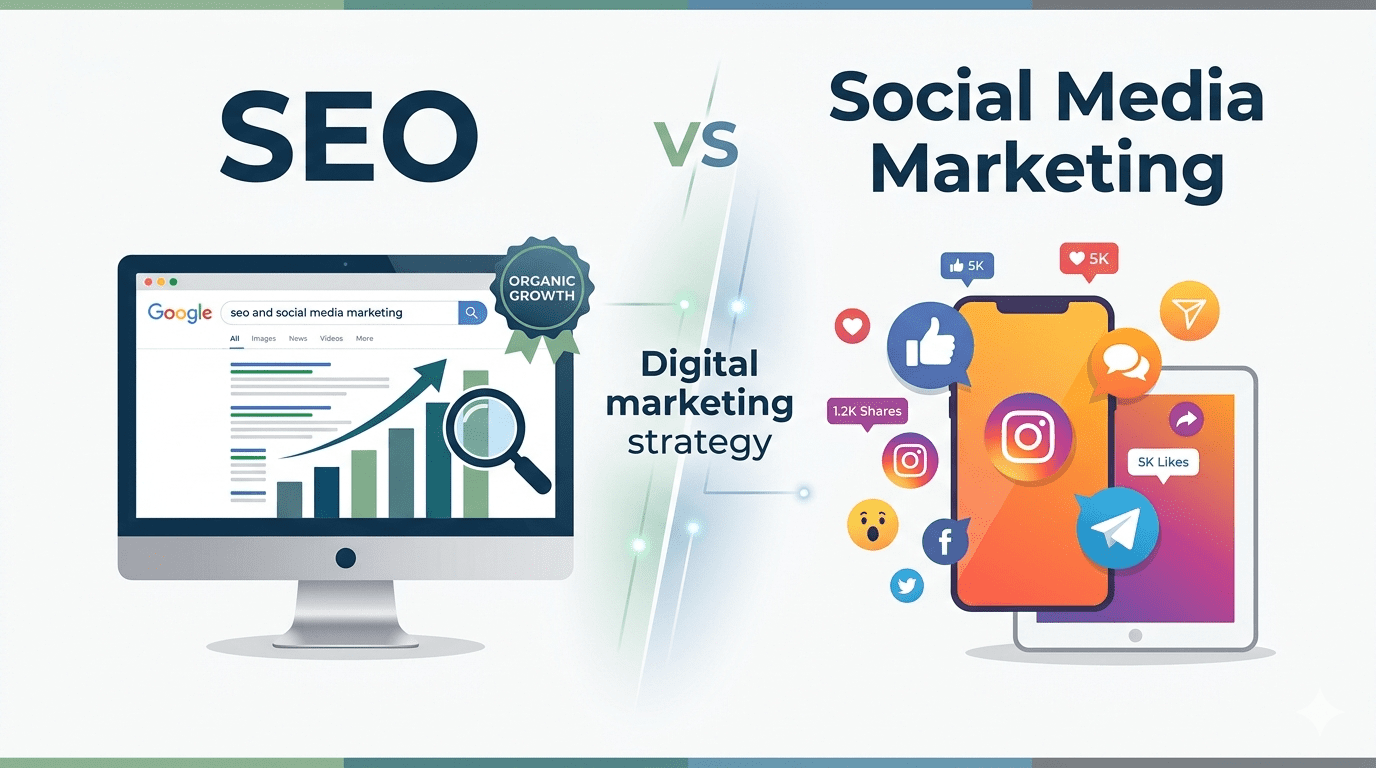
In the realm of digital marketing, two crucial acronyms dominate the landscape: SEO (Search Engine Optimization) and SMO (Social Media Optimization). While both strategies aim to enhance online visibility and drive traffic to websites, each plays a distinct role in achieving these goals.

SEO: Enhancing Search Engine Visibility

SEO is the practice of optimising a website’s content and structure to rank higher on search engine results pages (SERPs). By strategically incorporating relevant keywords, improving site speed, enhancing user experience, and building quality backlinks, businesses can increase their organic traffic and attract potential customers actively searching for their products or services.

Effective SEO involves continuous monitoring of search engine algorithms, keyword research, on-page optimization, and off-page strategies such as link building. By staying abreast of industry trends and best practices, businesses can climb the SERP rankings and outperform competitors in the digital arena.

SMO: Leveraging Social Media Platforms

SMO focuses on leveraging social media platforms to increase brand visibility and engage with target audiences. By creating compelling content, fostering relationships with followers, and encouraging social sharing, businesses can amplify their online presence beyond traditional search engines.

Social media platforms such as Facebook, Twitter, Instagram, LinkedIn, and Pinterest offer unique opportunities to showcase products or services, interact with customers in real-time, and drive website traffic through shared links. SMO strategies encompass creating shareable content, engaging with followers through comments and messages, running targeted ad campaigns, and analysing performance metrics to refine future strategies.

The Synergy Between SEO and SMO

While SEO focuses on improving search engine rankings and organic traffic acquisition, SMO complements these efforts by expanding brand reach through social channels. When combined effectively, SEO and SMO create a powerful synergy that maximises online visibility across multiple digital touchpoints.

Businesses that integrate SEO-optimised content with shareable social media posts can benefit from increased brand awareness, higher website traffic volumes, enhanced customer engagement levels, and ultimately improved conversion rates. By aligning SEO keywords with social media hashtags and trends, businesses can create a cohesive digital marketing strategy that resonates with their target audience.

In Conclusion

SEO and SMO are indispensable tools in the digital marketer’s arsenal. By understanding the unique roles each strategy plays in enhancing online visibility and driving traffic to websites or social media profiles businesses can craft comprehensive digital marketing campaigns that deliver tangible results.


Top 6 Tips for Enhancing Your SEO and SMO Strategies

  1. SEO
  2. SEO
  3. SEO
  4. SMO
  5. SMO
  6. SMO

SEO

SEO (Search Engine Optimization) is a fundamental aspect of digital marketing that focuses on improving a website’s visibility on search engine results pages. By implementing strategic techniques such as keyword research, on-page optimization, and link building, businesses can enhance their organic search rankings and attract targeted traffic. Effective SEO practices not only increase a website’s chances of being discovered by potential customers but also establish credibility and authority within the online landscape.

SEO

Search Engine Optimization (SEO) is a fundamental aspect of digital marketing that focuses on enhancing a website’s visibility on search engine results pages. By strategically incorporating relevant keywords, improving site structure, and building quality backlinks, businesses can increase their organic traffic and attract potential customers actively searching for their products or services. Effective SEO involves continuous monitoring of search engine algorithms and best practices to stay ahead of the competition in the online landscape.

SEO

Search Engine Optimization (SEO) is a fundamental aspect of digital marketing that focuses on enhancing a website’s visibility on search engine results pages. By strategically incorporating relevant keywords, improving site structure, and building quality backlinks, businesses can attract organic traffic and reach potential customers actively searching for their products or services. Effective SEO practices involve continuous monitoring of search engine algorithms and implementing on-page and off-page optimization strategies to improve rankings and outperform competitors in the digital landscape.

SMO

Social Media Optimization (SMO) is a key component of digital marketing strategies aimed at enhancing brand visibility and engagement on social media platforms. By creating compelling content, fostering relationships with followers, and encouraging social sharing, businesses can leverage the power of SMO to expand their online presence beyond search engines. Through targeted ad campaigns, interactive posts, and real-time customer interactions, SMO enables businesses to connect with their audience in a more personal and engaging manner, ultimately driving traffic to their website and increasing brand awareness.

SMO

Social Media Optimization (SMO) is a vital component of any comprehensive digital marketing strategy. By harnessing the power of social media platforms such as Facebook, Twitter, and Instagram, businesses can engage with their target audience on a more personal level, foster brand loyalty, and drive traffic to their websites. SMO involves creating shareable content, interacting with followers through comments and messages, and leveraging social advertising to reach a wider audience. By integrating SMO tactics alongside SEO efforts, businesses can maximise their online visibility and establish a strong presence across various digital channels.

SMO

Social Media Optimization (SMO) is a vital component of any comprehensive digital marketing strategy. By leveraging the power of social media platforms such as Facebook, Twitter, and Instagram, businesses can enhance their online visibility, engage with their target audience, and drive traffic to their websites. SMO involves creating engaging content, interacting with followers, running targeted ad campaigns, and analysing performance metrics to refine strategies. A well-executed SMO strategy not only boosts brand awareness but also fosters meaningful connections with customers in the dynamic realm of social media.

Mastering Paid Search Optimization Strategies for Online Success

The Power of Paid Search Optimization

The Power of Paid Search Optimization

In the competitive landscape of digital marketing, paid search optimization has emerged as a powerful tool for businesses looking to enhance their online visibility and drive targeted traffic to their websites. By strategically investing in paid search advertising, businesses can effectively reach their target audience and achieve measurable results.

What is Paid Search Optimization?

Paid search optimization, also known as pay-per-click (PPC) advertising, involves placing ads on search engine results pages (SERPs) and paying a fee each time a user clicks on the ad. This form of online advertising allows businesses to bid on specific keywords related to their products or services, ensuring that their ads appear prominently when users search for those keywords.

The Benefits of Paid Search Optimization

One of the key benefits of paid search optimization is its ability to deliver quick and measurable results. Unlike organic search engine optimization (SEO), which can take time to see significant improvements in rankings, paid search ads can generate immediate traffic to your website.

Additionally, paid search optimization offers precise targeting options, allowing businesses to tailor their ads based on factors such as location, demographics, and user behaviour. This level of targeting ensures that your ads are seen by the most relevant audience, increasing the likelihood of conversions.

Best Practices for Paid Search Optimization

To maximise the effectiveness of your paid search campaigns, it’s essential to follow best practices for optimization. This includes conducting thorough keyword research to identify high-performing keywords, creating compelling ad copy that entices users to click, and continuously monitoring and adjusting your campaigns based on performance data.

Furthermore, implementing conversion tracking allows you to measure the success of your campaigns and make data-driven decisions to improve ROI. By testing different ad variations and landing pages, you can refine your strategy over time and achieve optimal results from your paid search efforts.

Conclusion

Paid search optimization is a valuable tool for businesses seeking to increase their online visibility and drive targeted traffic to their websites. By leveraging the power of PPC advertising and following best practices for optimization, businesses can reach their target audience effectively and achieve tangible results in the competitive digital landscape.


Top 6 Strategies for Optimising Paid Search Campaigns

  1. Use relevant keywords in your ad copy to improve click-through rates.
  2. Regularly monitor and adjust your bids to ensure optimal performance.
  3. Create compelling ad extensions to provide additional information to users.
  4. Test different ad variations to identify what resonates best with your target audience.
  5. Optimise landing pages for conversions by ensuring they are relevant and user-friendly.
  6. Track key metrics such as click-through rate, conversion rate, and return on ad spend (ROAS) to measure success.

Use relevant keywords in your ad copy to improve click-through rates.

Utilising relevant keywords in your ad copy is a crucial strategy in paid search optimization to enhance click-through rates. By incorporating keywords that align closely with what users are searching for, you increase the likelihood of your ads being displayed to the right audience. This not only improves the relevance of your ad but also entices users to click through to your website, ultimately driving more qualified traffic and potential conversions. Strategic placement of relevant keywords in your ad copy can significantly impact the success of your paid search campaigns by attracting the attention of users actively seeking the products or services you offer.

Regularly monitor and adjust your bids to ensure optimal performance.

Regularly monitoring and adjusting your bids is a crucial tip for maximising the effectiveness of paid search optimization. By keeping a close eye on your bid performance and making timely adjustments, you can ensure that your ads are competitive and positioned for optimal visibility. This proactive approach allows you to fine-tune your bidding strategy based on real-time data, ultimately driving better results and improving the overall performance of your paid search campaigns.

Create compelling ad extensions to provide additional information to users.

Creating compelling ad extensions is a crucial tip for enhancing paid search optimization. By including additional information such as site links, callouts, and structured snippets in your ads, you can provide users with more context about your products or services. These extensions not only make your ads more informative and engaging but also increase the chances of users clicking on them. By utilising ad extensions effectively, businesses can improve the visibility and effectiveness of their paid search campaigns, ultimately driving more relevant traffic to their websites.

Test different ad variations to identify what resonates best with your target audience.

Testing different ad variations is a crucial tip in paid search optimization as it allows businesses to pinpoint what resonates most effectively with their target audience. By experimenting with various ad elements such as headlines, copy, and visuals, businesses can gather valuable insights into which messaging and creatives drive the highest engagement and conversions. This iterative approach not only helps in refining ad campaigns for better performance but also ensures that marketing efforts are tailored to meet the preferences and behaviours of the specific audience segments, leading to more impactful results in paid search advertising.

Optimise landing pages for conversions by ensuring they are relevant and user-friendly.

To maximise the effectiveness of your paid search campaigns, it is crucial to optimise landing pages for conversions by ensuring they are both relevant and user-friendly. A well-crafted landing page tailored to match the ad’s messaging not only enhances user experience but also increases the likelihood of conversions. By providing clear and concise information, incorporating strong call-to-action buttons, and ensuring easy navigation, businesses can create a seamless journey for users from clicking on the ad to completing a desired action. Optimising landing pages in this manner not only improves user engagement but also boosts overall campaign performance and ROI.

Track key metrics such as click-through rate, conversion rate, and return on ad spend (ROAS) to measure success.

Tracking key metrics such as click-through rate, conversion rate, and return on ad spend (ROAS) is essential for measuring the success of paid search optimization campaigns. By monitoring these metrics closely, businesses can gain valuable insights into the effectiveness of their ads and make informed decisions to improve performance. The click-through rate indicates the percentage of users who clicked on the ad, while the conversion rate measures the proportion of users who completed a desired action, such as making a purchase. Calculating the return on ad spend helps businesses understand the profitability of their advertising efforts. By analysing these key metrics, businesses can refine their strategies and maximise the impact of their paid search campaigns.

keyword search engine ranking tool

Unlocking Success: Maximising Your Website’s Potential with a Keyword Search Engine Ranking Tool

The Importance of Using a Keyword Search Engine Ranking Tool

In the ever-evolving world of digital marketing, staying ahead of the competition requires a deep understanding of search engine optimisation (SEO). One crucial aspect of SEO is keyword research, which involves identifying the terms and phrases that potential customers use when searching for products or services online. However, simply identifying keywords is not enough; monitoring your website’s performance for these keywords is equally important. This is where a keyword search engine ranking tool comes into play.

What is a Keyword Search Engine Ranking Tool?

A keyword search engine ranking tool is a powerful software or online service that allows website owners and digital marketers to track the positions of their chosen keywords in search engine results pages (SERPs). By entering specific keywords into the tool, users can monitor how their website ranks for those keywords over time.

The Benefits of Using a Keyword Search Engine Ranking Tool

There are several compelling reasons why using a keyword search engine ranking tool is essential for any SEO strategy:

  • Track Performance: By regularly monitoring your keyword rankings, you can assess the effectiveness of your SEO efforts and make informed decisions to improve your website’s visibility.
  • Competitor Analysis: Compare your keyword rankings with those of your competitors to identify opportunities for improvement and stay ahead in the digital landscape.
  • Identify Trends: Detect fluctuations in keyword rankings and adjust your strategy accordingly to capitalise on emerging trends or address potential issues.
  • Measure Success: Use ranking data to measure the success of your SEO campaigns and demonstrate tangible results to stakeholders.

Choosing the Right Keyword Search Engine Ranking Tool

When selecting a keyword search engine ranking tool, consider factors such as accuracy, ease of use, reporting capabilities, and compatibility with other SEO tools. Look for features like historical data analysis, mobile rank tracking, and localised search results to ensure comprehensive monitoring of your keyword performance.

In Conclusion

A keyword search engine ranking tool is an indispensable asset for any business looking to improve its online visibility and drive organic traffic. By leveraging the insights provided by such tools, you can refine your SEO strategy, outperform competitors, and achieve sustainable growth in search engine rankings. Embrace the power of data-driven decision-making with a reliable keyword search engine ranking tool today!


Top 5 Tips for Enhancing Search Engine Rankings with Effective Keyword Strategies

  1. Choose relevant keywords that accurately describe your content.
  2. Use long-tail keywords to target specific audiences and improve ranking.
  3. Regularly monitor keyword performance and make adjustments as needed.
  4. Analyse competitor keywords to identify opportunities for improvement.
  5. Optimise website content with selected keywords for better search engine ranking.

Choose relevant keywords that accurately describe your content.

Selecting relevant keywords that precisely reflect the content of your website is paramount when utilising a keyword search engine ranking tool. By choosing keywords that align closely with the products, services, or information you offer, you increase the likelihood of attracting qualified traffic to your site. Ensuring that your selected keywords accurately describe your content not only enhances your search engine visibility but also improves user experience by delivering precisely what visitors are seeking. This strategic approach to keyword selection not only boosts your search engine rankings but also establishes credibility and trust with your target audience.

Use long-tail keywords to target specific audiences and improve ranking.

To enhance your website’s ranking and target specific audiences effectively, consider utilising long-tail keywords with a keyword search engine ranking tool. Long-tail keywords are more specific phrases that typically have lower search volume but higher conversion rates. By incorporating long-tail keywords into your content and monitoring their performance using a ranking tool, you can attract qualified leads and improve your website’s visibility in search engine results. This strategic approach not only boosts your SEO efforts but also helps you connect with users who are actively seeking the products or services you offer, ultimately leading to enhanced engagement and better conversion rates.

Regularly monitor keyword performance and make adjustments as needed.

Regularly monitoring keyword performance using a reliable search engine ranking tool is essential for maintaining a strong online presence. By tracking how your chosen keywords rank in search engine results pages (SERPs) over time, you can gain valuable insights into the effectiveness of your SEO strategy. If certain keywords are not performing as expected, adjustments can be made to improve their visibility and drive more organic traffic to your website. This proactive approach ensures that your online content remains relevant and competitive in an ever-changing digital landscape, ultimately helping you reach and engage with your target audience more effectively.

Analyse competitor keywords to identify opportunities for improvement.

Analysing competitor keywords using a keyword search engine ranking tool can offer valuable insights and opportunities for enhancing your SEO strategy. By comparing your keyword rankings with those of competitors, you can identify gaps, weaknesses, and untapped potential in your content and targeting. This competitive analysis enables you to discover high-performing keywords that you may have overlooked, as well as areas where you can outshine your rivals. Leveraging this information allows you to refine your keyword selection, optimise your content, and ultimately strengthen your position in search engine results pages (SERPs).

Optimise website content with selected keywords for better search engine ranking.

To enhance your search engine ranking, it is crucial to optimise your website content with carefully selected keywords. By strategically incorporating relevant keywords into your website’s content, you can signal to search engines the topic and relevance of your pages. This practice not only improves the visibility of your website in search results but also enhances user experience by providing valuable and targeted information. Effective keyword optimisation ensures that your content aligns with what users are searching for, ultimately driving organic traffic to your site and boosting its overall performance in search engine rankings.