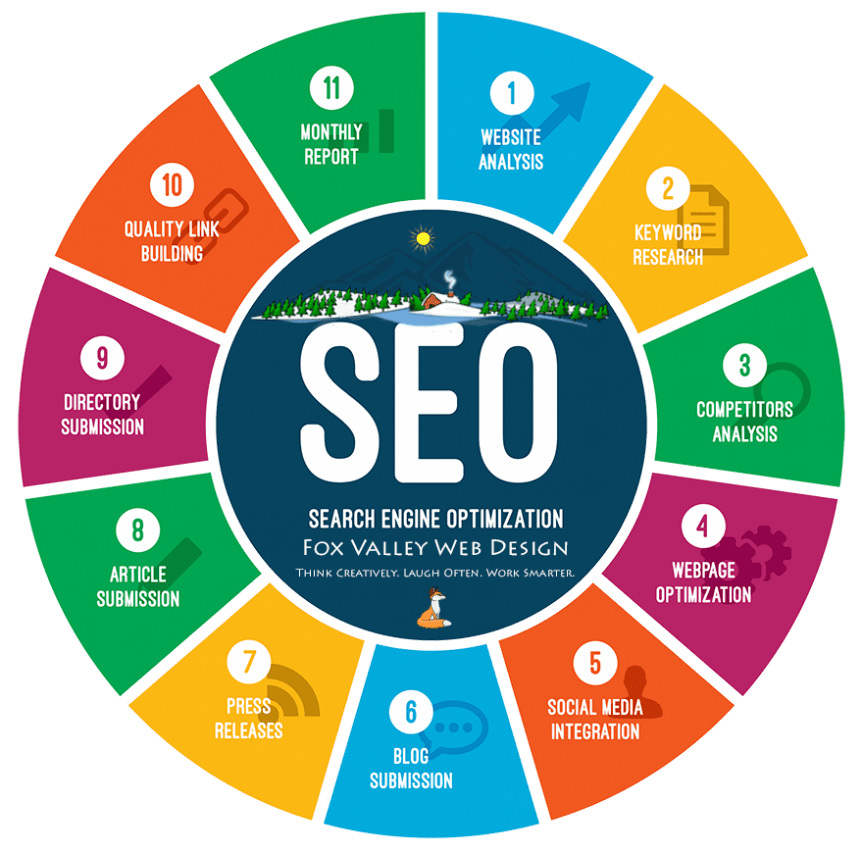
site optimization

Maximising Your Online Presence Through Effective Site Optimization Strategies

Site Optimization: Enhancing Your Online Presence

Site Optimization: Enhancing Your Online Presence

In the digital age, having a strong online presence is crucial for businesses to succeed. Site optimization plays a key role in ensuring that your website is not only visible to your target audience but also provides a seamless user experience. Let’s explore the importance of site optimization and how it can benefit your online presence.

What is Site Optimization?

Site optimization involves making strategic changes to your website to improve its performance, visibility, and user experience. This includes various techniques such as:

  • SEO (Search Engine Optimization): Optimizing your website’s content and structure to rank higher in search engine results.
  • Speed Optimization: Ensuring that your site loads quickly to reduce bounce rates and improve user satisfaction.
  • Mobile Optimization: Making your website responsive and mobile-friendly for users on smartphones and tablets.
  • User Experience (UX) Design: Creating an intuitive and easy-to-navigate interface for visitors.
  • Content Optimization: Crafting high-quality, relevant content that engages users and drives traffic.

The Benefits of Site Optimization

Optimizing your site offers numerous benefits, including:

  • Improved Search Engine Rankings: Higher visibility in search results leads to increased organic traffic.
  • Better User Experience: A well-optimized site enhances user satisfaction and encourages repeat visits.
  • Increased Conversions: Optimized websites are more likely to convert visitors into customers or leads.
  • Faster Loading Times: Quick page speeds reduce bounce rates and improve overall performance.
  • Growth in Online Authority: Quality optimization builds credibility and trust with both users and search engines.

Tips for Effective Site Optimization

To maximise the benefits of site optimization, consider implementing the following strategies:

  1. Create Quality Content: Publish relevant, engaging content that resonates with your target audience.
  2. Optimize Metadata: Use descriptive titles, meta descriptions, and tags to improve search engine visibility.
  3. Simplify Navigation: Ensure easy navigation with clear menus and internal linking structures.


7 Essential Tips for Optimising Your Website’s Performance and Visibility

  1. Optimise images for faster loading times
  2. Use descriptive meta tags for better search engine visibility
  3. Ensure responsive design for mobile compatibility
  4. Minify CSS and JavaScript files to reduce page load times
  5. Implement caching to speed up website performance
  6. Optimise server response time by reducing unnecessary scripts or plugins
  7. Regularly monitor and analyse website performance metrics

Optimise images for faster loading times

Optimising images for faster loading times is a crucial aspect of site optimization. By resizing images, compressing file sizes, and using appropriate formats, you can significantly improve the speed at which your website loads. This not only enhances user experience by reducing wait times but also positively impacts your site’s SEO performance, as faster-loading pages are favoured by search engines. Prioritising image optimisation ensures that your website remains efficient and user-friendly, ultimately leading to higher engagement and better overall performance.

Use descriptive meta tags for better search engine visibility

When it comes to site optimization, utilising descriptive meta tags is a crucial strategy for enhancing search engine visibility. By crafting informative and relevant meta titles and descriptions, you provide search engines with valuable information about the content of your web pages. This not only helps search engines understand the context of your site but also entices users to click through to your website by displaying compelling snippets in search results. Effective use of meta tags can significantly improve your website’s discoverability and attract more organic traffic, ultimately contributing to the overall success of your online presence.

Ensure responsive design for mobile compatibility

In the realm of site optimization, a crucial tip is to ensure responsive design for mobile compatibility. With the increasing number of users accessing websites on mobile devices, it is imperative that your site adapts seamlessly to different screen sizes and resolutions. By implementing a responsive design approach, you not only enhance user experience but also improve your site’s visibility in search engine rankings. This strategy not only caters to the needs of mobile users but also demonstrates a commitment to providing a user-friendly experience across all devices, ultimately leading to increased engagement and conversions.

Minify CSS and JavaScript files to reduce page load times

Minifying CSS and JavaScript files is a crucial tip in site optimization to enhance page load times. By removing unnecessary white spaces, comments, and redundant code from these files, the overall file sizes are reduced, leading to faster loading speeds for your website. This optimization technique not only improves user experience by providing quicker access to content but also contributes to better search engine rankings, as site speed is a key factor in search algorithms. Implementing minification of CSS and JavaScript files is a simple yet effective way to boost your website’s performance and ensure a seamless browsing experience for visitors.

Implement caching to speed up website performance

Implementing caching is a highly effective tip for site optimization that can significantly improve website performance. By storing frequently accessed data or web pages in a cache, users experience faster loading times when they revisit the site. This not only enhances user experience but also reduces server load and bandwidth usage, leading to improved overall efficiency. Caching is a smart way to speed up your website and ensure that visitors have a seamless browsing experience, ultimately boosting engagement and satisfaction levels.

Optimise server response time by reducing unnecessary scripts or plugins

To enhance site performance and user experience, it is crucial to optimise server response time by minimising unnecessary scripts or plugins. By reducing the number of extraneous elements that need to load, such as unused scripts or plugins, websites can improve their loading speed and overall responsiveness. This streamlined approach not only benefits SEO rankings but also ensures that visitors have a smoother browsing experience, leading to higher engagement and satisfaction.

Regularly monitor and analyse website performance metrics

Regularly monitoring and analysing website performance metrics is a critical aspect of effective site optimization. By keeping a close eye on key indicators such as page load times, bounce rates, conversion rates, and traffic sources, businesses can gain valuable insights into how their website is performing and identify areas for improvement. This data-driven approach allows for informed decision-making and enables continuous refinement of the site to enhance user experience, increase visibility in search results, and ultimately drive better results for the business.

ssr seo

Optimising Your Website with SSR SEO Strategies in the UK

Understanding SSR SEO

The Power of SSR SEO: A Comprehensive Guide

Server-Side Rendering (SSR) SEO is a crucial aspect of optimising websites for search engines. In the world of digital marketing, ensuring that your website ranks high on search engine results pages (SERPs) is essential for driving organic traffic and reaching your target audience.

What is SSR SEO?

SSR SEO involves the process of optimising websites that use server-side rendering to deliver content to users. Unlike client-side rendering, which renders web pages in the browser, server-side rendering generates the HTML content on the server before sending it to the client’s browser. This method can have significant implications for SEO.

The Benefits of SSR SEO

One of the key advantages of SSR SEO is improved crawlability and indexability by search engine bots. Since the HTML content is pre-rendered on the server, search engines can easily access and index the content, leading to better visibility in search results.

Additionally, SSR can enhance website performance and user experience by providing faster load times and smoother navigation. Search engines often favour websites that offer a seamless user experience, which can positively impact rankings.

Best Practices for SSR SEO

  • Optimise Metadata: Ensure that title tags, meta descriptions, and other metadata elements are optimised for relevant keywords.
  • Use Structured Data: Implement structured data markup to help search engines understand your content better.
  • Mobile-Friendly Design: Ensure that your website is responsive and mobile-friendly for improved rankings on mobile searches.
  • Monitor Page Speed: Regularly check and optimise page speed to provide a fast-loading experience for users and search engines.
  • Create High-Quality Content: Produce valuable and engaging content that resonates with your target audience to attract organic traffic.

In Conclusion

In conclusion, implementing effective SSR SEO strategies can significantly impact your website’s visibility and performance in search engine results. By following best practices and staying updated on industry trends, you can enhance your website’s SEO capabilities and attract more organic traffic to achieve your digital marketing goals.


Understanding SSR and CSR: Key Insights into SEO Best Practices

  1. What is CSR in SEO?
  2. Is SSR or static better for SEO?
  3. What is SSR vs CSR?
  4. What is CSR and SSR?
  5. How is SSR better for SEO?
  6. What is SEO in SSR?
  7. What is better for SEO SSR or CSR?

What is CSR in SEO?

In the realm of SEO, CSR stands for Corporate Social Responsibility and is not directly related to Search Engine Optimization practices. Corporate Social Responsibility refers to a company’s commitment to conducting business ethically and contributing positively to society and the environment. While CSR initiatives can indirectly impact a company’s reputation and potentially influence its online presence, it is important to distinguish between CSR and SEO strategies, as they serve different purposes within the broader scope of business operations.

Is SSR or static better for SEO?

When considering the choice between Server-Side Rendering (SSR) and static sites for SEO purposes, it’s essential to weigh the advantages of each approach. SSR allows for dynamic content rendering on the server, which can lead to improved crawlability and indexability by search engines. On the other hand, static sites offer faster loading times and simpler maintenance. Ultimately, the decision between SSR and static for SEO depends on factors such as the nature of your website, content requirements, and performance considerations. It’s crucial to assess your specific needs and goals to determine which approach aligns best with your SEO strategy for optimal results in search engine rankings.

What is SSR vs CSR?

When it comes to understanding the difference between SSR (Server-Side Rendering) and CSR (Client-Side Rendering) in SEO, it’s essential to grasp their distinct functionalities. SSR involves rendering web pages on the server before sending them to the client, ensuring better crawlability and indexability for search engines. On the other hand, CSR renders pages in the browser, which can impact SEO performance due to potential indexing challenges. By comprehending the implications of SSR vs CSR in website rendering, businesses can make informed decisions to enhance their SEO strategies and improve online visibility effectively.

What is CSR and SSR?

When it comes to SEO, understanding the difference between CSR and SSR is crucial. CSR, which stands for Client-Side Rendering, involves rendering web pages in the user’s browser using JavaScript. On the other hand, SSR, or Server-Side Rendering, generates HTML content on the server before sending it to the client’s browser. While CSR can offer dynamic and interactive user experiences, SSR is favoured for its benefits in SEO, as it improves crawlability and indexability by search engines. By grasping the distinctions between CSR and SSR and their implications for search engine optimisation, businesses can make informed decisions to enhance their online visibility and user experience effectively.

How is SSR better for SEO?

Server-Side Rendering (SSR) offers significant advantages for SEO compared to client-side rendering. One key benefit of SSR for SEO is improved crawlability and indexability by search engine bots. Since SSR generates HTML content on the server before sending it to the client’s browser, search engines can easily access and index the content, leading to better visibility in search results. Additionally, SSR can enhance website performance and user experience by providing faster load times and smoother navigation, factors that search engines consider when ranking websites. Overall, SSR’s ability to deliver pre-rendered content efficiently makes it a valuable asset for boosting SEO efforts and improving a website’s search engine rankings.

What is SEO in SSR?

In the context of Server-Side Rendering (SSR), SEO refers to the practice of optimising websites that utilise SSR technology to enhance their visibility and ranking on search engine results pages (SERPs). SEO in SSR involves implementing strategies that improve crawlability, indexability, and overall performance of a website by ensuring that the pre-rendered HTML content is structured and optimised for search engines to effectively crawl, index, and rank the pages. By focusing on key elements such as metadata optimisation, structured data implementation, mobile-friendliness, page speed monitoring, and high-quality content creation, websites can maximise their SEO potential within an SSR framework to attract organic traffic and reach their target audience effectively.

What is better for SEO SSR or CSR?

When considering the impact on SEO, the choice between Server-Side Rendering (SSR) and Client-Side Rendering (CSR) is a common dilemma for website owners. SSR is often preferred for SEO due to its ability to provide pre-rendered HTML content that is easily crawled and indexed by search engines, leading to better visibility in search results. On the other hand, CSR can offer dynamic and interactive user experiences but may present challenges in terms of crawlability and indexability. Ultimately, the decision between SSR and CSR for SEO depends on factors such as website structure, content requirements, and performance goals, with each approach having its own strengths and considerations in optimising for search engines.

jekyll seo

Mastering Jekyll SEO Strategies for Optimal Website Visibility

The Ultimate Guide to Jekyll SEO

The Ultimate Guide to Jekyll SEO

Jekyll is a popular static site generator known for its simplicity and efficiency in creating websites. While Jekyll offers many advantages in terms of speed and security, it also provides robust features for search engine optimization (SEO). In this guide, we will explore how you can optimise your Jekyll website for better search engine visibility.

Optimising Metadata

Metadata plays a crucial role in SEO, and Jekyll makes it easy to manage metadata for each page. By utilising front matter in your Markdown files, you can define title tags, meta descriptions, and other important metadata that search engines use to understand your content.

Creating SEO-Friendly URLs

Jekyll allows you to customise your URL structure, which is essential for SEO. By creating descriptive and keyword-rich URLs, you can improve the visibility of your pages in search engine results. Make sure to use hyphens to separate words and keep URLs concise and relevant to the content.

Optimising Images

Images are an integral part of web content, but they can also impact your site’s SEO performance. With Jekyll, you can optimise images by specifying alt text, titles, and captions. Additionally, make sure to resize images appropriately to improve page load speed, which is a crucial ranking factor for search engines.

Generating Sitemaps

A sitemap is a file that lists all the pages on your website and helps search engines crawl and index your content more effectively. Jekyll simplifies the process of generating sitemaps by offering plugins that automatically create XML sitemaps for your site. Submitting your sitemap to search engines like Google can boost your site’s visibility.

Monitoring Performance

SEO is an ongoing process that requires monitoring and analysis. With tools like Google Analytics integrated into your Jekyll site, you can track key metrics such as organic traffic, bounce rate, and conversion rates. By analysing this data regularly, you can identify areas for improvement and refine your SEO strategies accordingly.

In conclusion, Jekyll provides a solid foundation for implementing effective SEO practices on your website. By optimising metadata, URLs, images, sitemaps, and monitoring performance metrics, you can enhance the visibility of your Jekyll site in search engine results. Stay proactive in updating and refining your SEO strategies to stay ahead in the digital landscape.


Top 5 FAQs on Enhancing SEO for Jekyll Websites

  1. 1. How can I optimise metadata for SEO in Jekyll?
  2. 2. What are the best practices for creating SEO-friendly URLs in Jekyll?
  3. 3. How do I optimise images for better SEO performance in Jekyll?
  4. 4. Is generating a sitemap important for SEO on a Jekyll website?
  5. 5. What tools can I use to monitor and improve SEO performance on my Jekyll site?

1. How can I optimise metadata for SEO in Jekyll?

To optimise metadata for SEO in Jekyll, you can leverage the front matter feature in your Markdown files. By incorporating specific metadata elements such as title tags, meta descriptions, and keywords within the front matter of each page, you can provide search engines with valuable information about your content. Crafting concise and relevant metadata that accurately reflects the content of your pages is key to improving search engine visibility and driving organic traffic to your Jekyll website. Regularly reviewing and updating metadata across your site can help enhance its SEO performance and ensure that it remains aligned with current search engine algorithms.

2. What are the best practices for creating SEO-friendly URLs in Jekyll?

When it comes to creating SEO-friendly URLs in Jekyll, following best practices is essential for improving your website’s search engine visibility. To craft effective URLs, it is recommended to use descriptive keywords that accurately reflect the content of the page. Additionally, incorporating relevant keywords and separating words with hyphens can enhance the readability and SEO value of your URLs. Keeping URLs concise, avoiding special characters or unnecessary parameters, and structuring them logically can contribute to a user-friendly experience and better indexing by search engines. By adhering to these guidelines, you can optimise your Jekyll website for improved SEO performance and higher rankings in search results.

3. How do I optimise images for better SEO performance in Jekyll?

When it comes to optimising images for better SEO performance in Jekyll, there are a few key strategies to keep in mind. Firstly, it is crucial to provide descriptive filenames that include relevant keywords related to the image content. Additionally, specifying alt text, titles, and captions for each image can enhance accessibility and help search engines understand the context of the images. Resizing images to appropriate dimensions and compressing them without compromising quality can improve page load speed, which is a significant factor in SEO rankings. By following these best practices in image optimisation, you can boost your Jekyll website’s SEO performance and enhance user experience.

4. Is generating a sitemap important for SEO on a Jekyll website?

Generating a sitemap is crucial for SEO on a Jekyll website. A sitemap serves as a roadmap for search engines, helping them discover and index all the pages on your site more efficiently. With Jekyll’s static nature, where pages are not dynamically generated, having a sitemap becomes even more important to ensure that all your content is properly crawled and ranked by search engines. By including a sitemap, you improve the chances of your website’s visibility in search engine results, ultimately driving more organic traffic to your Jekyll site.

5. What tools can I use to monitor and improve SEO performance on my Jekyll site?

Monitoring and improving SEO performance on your Jekyll site can be facilitated by a variety of tools designed to provide valuable insights and enhance your website’s visibility. Utilising tools such as Google Analytics allows you to track key metrics like organic traffic, user behaviour, and conversion rates, enabling you to make data-driven decisions to optimise your SEO strategy. Additionally, tools like Google Search Console offer valuable information on how search engines perceive your site, providing opportunities to identify and address issues that may impact your search rankings. By leveraging these tools effectively, you can continuously monitor and enhance the SEO performance of your Jekyll site to achieve better visibility and reach online.

seo media

Unleashing the Potential of SEO Media in Digital Marketing Strategies

The Power of SEO Media in Digital Marketing

The Power of SEO Media in Digital Marketing

In today’s digital age, search engine optimisation (SEO) has become a crucial component of any successful marketing strategy. One aspect of SEO that is often overlooked but holds immense potential is SEO media.

What is SEO Media?

SEO media refers to the use of various media elements, such as images, videos, infographics, and interactive content, to enhance a website’s visibility and ranking on search engine results pages. By optimising these media elements with relevant keywords and metadata, businesses can attract more organic traffic and engage their target audience effectively.

The Benefits of SEO Media

Integrating SEO media into your digital marketing efforts offers several benefits:

  • Enhanced User Experience: Visual content enhances user engagement and makes your website more appealing to visitors.
  • Improved Search Rankings: Optimised media elements can help improve your website’s visibility on search engines, leading to higher rankings.
  • Increased Traffic: High-quality images and videos can drive more organic traffic to your site and encourage users to stay longer.
  • Boosted Conversions: Compelling media content can influence purchasing decisions and lead to higher conversion rates.

Tips for Effective SEO Media Implementation

To make the most of SEO media in your digital marketing strategy, consider the following tips:

  1. Optimise File Names: Use descriptive file names for images and videos that include relevant keywords.
  2. Add Alt Text: Include alt text that describes the image or video for improved accessibility and search engine indexing.
  3. Create Engaging Content: Produce high-quality visual content that resonates with your target audience and encourages sharing.
  4. Monitor Performance: Track the performance of your SEO media elements using analytics tools to make data-driven decisions.

In Conclusion

SEO media is a powerful tool that can elevate your digital marketing efforts and drive tangible results. By incorporating visually appealing and optimised media elements into your website, you can enhance user experience, improve search rankings, and ultimately boost conversions. Embrace the potential of SEO media in your strategy today!


Maximising SEO Media: Six Key Benefits for Enhanced User Engagement and Website Performance

  1. Enhances user engagement through visual content
  2. Improves website visibility on search engines
  3. Drives more organic traffic to the site
  4. Encourages visitors to stay longer on the website
  5. Influences purchasing decisions and boosts conversions
  6. Provides a more appealing and interactive user experience


Seven Drawbacks of SEO Media: From Loading Delays to Maintenance Hurdles

  1. 1. Increased Loading Times
  2. 2. Compatibility Issues
  3. 3. Copyright Concerns
  4. 4. Overwhelming Visuals
  5. 5. Resource Intensive
  6. 6. Limited SEO Impact
  7. 7. Maintenance Challenges

Enhances user engagement through visual content

Utilising SEO media to enhance user engagement through visual content is a powerful strategy in digital marketing. By incorporating compelling images, videos, infographics, and interactive elements on a website, businesses can captivate their audience and create a more immersive online experience. Visual content not only makes the website more visually appealing but also helps convey information in a more engaging and memorable way. This approach not only attracts visitors but also encourages them to stay longer on the site, interact with the content, and ultimately increases the likelihood of conversion.

Improves website visibility on search engines

Enhancing website visibility on search engines is a key advantage of utilising SEO media in digital marketing strategies. By optimising images, videos, and other media elements with relevant keywords and metadata, businesses can significantly improve their chances of appearing higher in search engine results pages. This increased visibility not only attracts more organic traffic to the website but also boosts brand awareness and credibility among online audiences. Ultimately, leveraging SEO media effectively can help businesses stand out in a competitive online landscape and drive valuable traffic to their digital platforms.

Drives more organic traffic to the site

One significant advantage of utilising SEO media in digital marketing strategies is its ability to drive more organic traffic to the website. By optimising visual content such as images, videos, and infographics with relevant keywords and metadata, businesses can attract a higher volume of organic search traffic. Engaging and visually appealing media elements not only enhance user experience but also increase the likelihood of users discovering the site through search engine results. This boost in organic traffic can lead to improved visibility, higher search rankings, and ultimately, a broader reach for the brand online.

Encourages visitors to stay longer on the website

One significant benefit of incorporating SEO media into a website is that it encourages visitors to stay longer on the site. Engaging visual content such as images, videos, and interactive elements captivate users’ attention and entice them to explore further. By providing relevant and appealing media content, businesses can enhance user experience, increase dwell time, and reduce bounce rates. This not only improves the overall engagement with the website but also signals to search engines that the site offers valuable content, potentially boosting its ranking in search results.

Influences purchasing decisions and boosts conversions

Utilising SEO media, such as engaging images and videos, can significantly impact purchasing decisions and drive conversions for businesses. By showcasing products or services in a visually appealing and informative manner, businesses can influence potential customers to make informed buying choices. High-quality visual content not only captures attention but also builds trust and credibility, ultimately leading to increased sales and improved conversion rates. Incorporating SEO media effectively into digital marketing strategies can create a compelling online shopping experience that encourages visitors to take action and become loyal customers.

Provides a more appealing and interactive user experience

By incorporating SEO media elements such as images, videos, and interactive content, websites can provide users with a more visually appealing and engaging experience. The use of high-quality visuals not only captures the attention of visitors but also enhances their overall interaction with the site. Interactive media elements encourage user engagement and make the browsing experience more dynamic and immersive. This improved user experience not only keeps visitors on the site longer but also increases the likelihood of conversions and customer retention.

1. Increased Loading Times

Large media files used in SEO media can be a double-edged sword, as they have the potential to significantly increase loading times on websites. This drawback can result in a poor user experience, causing visitors to become frustrated and potentially abandon the site before fully engaging with its content. Balancing the visual appeal of media elements with their impact on loading speed is crucial to ensure that SEO media enhances rather than hinders the overall user experience.

2. Compatibility Issues

One significant drawback of utilising SEO media in digital marketing is the issue of compatibility. Certain media formats may not be universally supported across all devices and web browsers, leading to limitations in accessibility for users. This can result in a fragmented user experience, where some visitors may not be able to view or interact with the media content as intended. Addressing compatibility issues requires careful consideration of alternative formats or responsive design strategies to ensure that all users can access and engage with the media seamlessly.

One significant drawback of utilising SEO media in digital marketing is the risk of copyright concerns. Unauthorized use of images or videos in SEO media campaigns can lead to legal repercussions and potential copyright infringement issues. Businesses must exercise caution when sourcing and incorporating visual content to ensure compliance with copyright laws and licensing agreements, as overlooking these considerations can result in costly legal disputes and damage to the brand’s reputation.

4. Overwhelming Visuals

An important drawback of SEO media is the potential for overwhelming visuals. When website owners incorporate an excessive amount of media elements, such as images, videos, and animations, it can lead to a cluttered and distracting user experience. Visitors may find it challenging to focus on the main content or navigate the site effectively when bombarded with an overload of visual stimuli. This can result in a negative impact on user engagement and retention, ultimately hindering the effectiveness of the website’s overall message and goals. Striking a balance between engaging visuals and clear communication is essential to prevent overwhelming visitors and ensure a seamless browsing experience.

5. Resource Intensive

Creating high-quality SEO media can be a resource-intensive process, demanding significant time, effort, and sometimes additional resources that may not always be readily available or feasible for every business. From producing engaging videos to designing eye-catching infographics, the creation of compelling media content requires careful planning and investment. This con of SEO media highlights the challenge that some businesses face in allocating the necessary resources to consistently produce top-notch visual content that resonates with their target audience.

6. Limited SEO Impact

In the realm of SEO media, a notable drawback is its limited impact on search engine optimisation rankings. Despite the significance of visual content in engaging audiences, it may not always wield a substantial influence on search engine rankings when juxtaposed with other critical SEO factors. This con underscores the importance of striking a balance between captivating media elements and prioritising other key aspects of SEO to maximise overall digital marketing effectiveness.

7. Maintenance Challenges

One significant drawback of utilising SEO media in digital marketing is the maintenance challenges it presents. Keeping SEO media content up to date and relevant demands consistent effort and attention. Regularly updating images, videos, infographics, and interactive content to align with current trends and keywords can be a time-consuming task for businesses. The need for ongoing maintenance can strain resources and divert focus from other critical aspects of a marketing strategy.