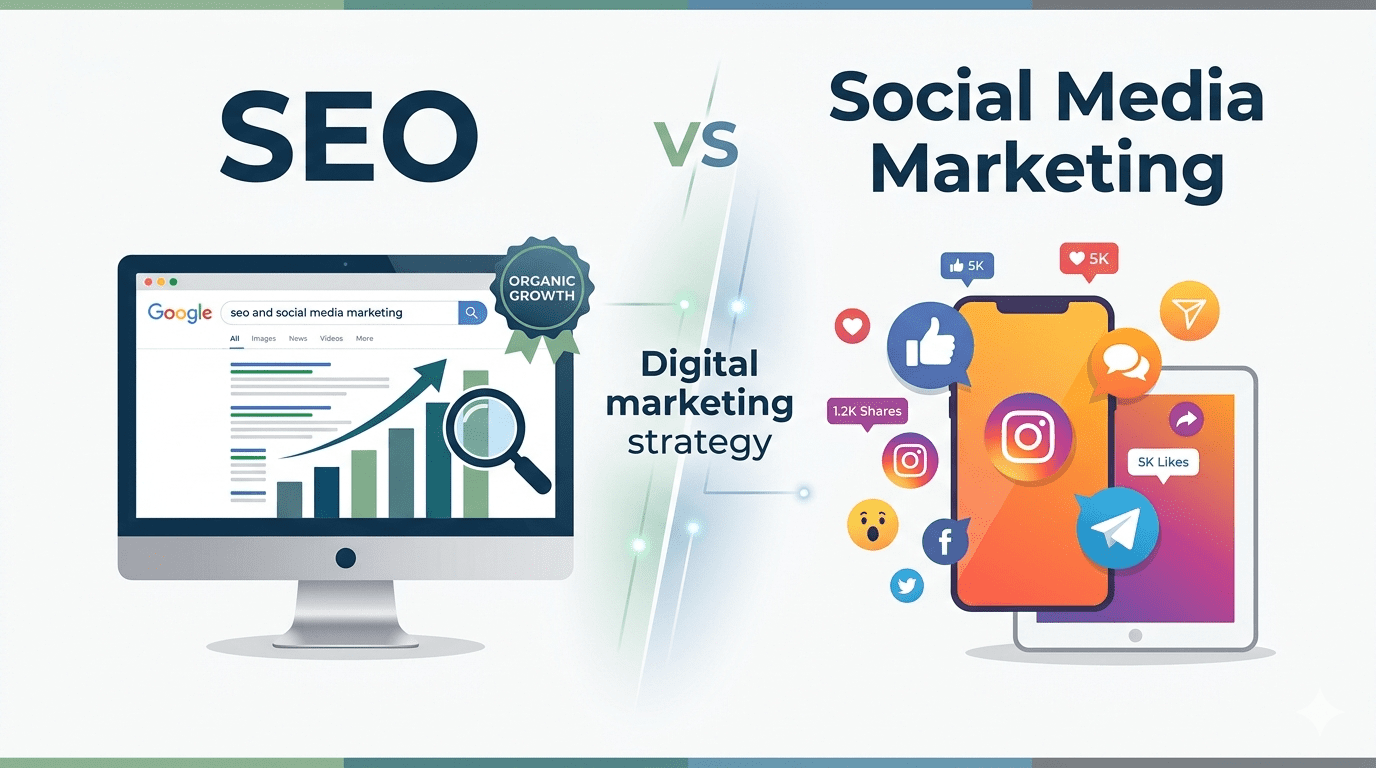
local seo ranking factors

Unlocking the Power of Local SEO Ranking Factors for Online Success

Local SEO Ranking Factors

The Key Local SEO Ranking Factors You Need to Know

Local SEO is essential for businesses looking to attract customers in their vicinity. To rank well in local search results, it’s crucial to understand the key factors that influence your visibility. Here are some of the most important local SEO ranking factors:

Google My Business Listing

Having a complete and accurate Google My Business profile is vital for local SEO success. Make sure your business name, address, and phone number (NAP) are consistent across all platforms.

Local Citations

Citations from reputable online directories help establish your business’s credibility and improve its local search rankings. Ensure your NAP information is consistent across all citations.

Online Reviews

Positive reviews on platforms like Google, Yelp, and Facebook can boost your local SEO rankings. Encourage satisfied customers to leave feedback and respond promptly to any negative reviews.

Website Quality and Relevance

Your website should be well-designed, mobile-friendly, and contain relevant local keywords. Optimise your site’s meta tags, headings, and content to improve its visibility in local search results.

Local Link Building

Earning backlinks from locally relevant websites can enhance your site’s authority and improve its local search rankings. Engage with other businesses in your area to build valuable links.

On-Page Optimisation

Optimise your website’s title tags, meta descriptions, and image alt text with local keywords to improve its relevance for local searches.

Social Signals

Your social media presence can also impact your local SEO rankings. Stay active on platforms like Facebook, Twitter, and Instagram to engage with local customers and boost your online visibility.

In conclusion, mastering these key local SEO ranking factors can significantly enhance your business’s visibility in local search results. By optimising these elements effectively, you can attract more customers from your target area and grow your business locally.


9 Essential Tips to Boost Your Local SEO Rankings

  1. Optimize your Google My Business listing with accurate information
  2. Include local keywords in your website content and meta tags
  3. Get listed in local directories and citation sites
  4. Encourage online reviews from satisfied customers
  5. Create location-specific landing pages on your website
  6. Ensure your website is mobile-friendly for local searchers
  7. Use structured data markup to help search engines understand your location information
  8. Engage with the local community through social media and events
  9. Monitor your local SEO performance regularly and make adjustments as needed

Optimize your Google My Business listing with accurate information

Optimising your Google My Business listing with accurate information is a crucial step in improving your local SEO rankings. By ensuring that your business name, address, and phone number are consistent and up-to-date, you increase the chances of being discovered by local customers searching for products or services in your area. A complete and accurate GMB profile not only boosts your visibility in local search results but also enhances your credibility as a trustworthy and reliable business in the eyes of potential customers.

Include local keywords in your website content and meta tags

To improve your local SEO ranking, it is crucial to incorporate local keywords strategically within your website content and meta tags. By including relevant local terms that reflect your business’s location and services, you can signal to search engines the geographical relevance of your website. This practice not only helps attract local customers searching for specific products or services in your area but also enhances the overall visibility of your site in local search results. Remember, integrating local keywords thoughtfully can make a significant difference in boosting your online presence and attracting target audiences within your vicinity.

Get listed in local directories and citation sites

Getting listed in local directories and citation sites is a crucial step in improving your local SEO rankings. By having your business information consistently displayed across reputable online directories, you not only increase your online visibility but also establish credibility with search engines. These directories and citation sites help local customers find and connect with your business more easily, ultimately boosting your chances of appearing higher in local search results. Therefore, ensuring that your business details are accurately listed on these platforms can significantly enhance your overall local SEO strategy and drive more organic traffic to your website.

Encourage online reviews from satisfied customers

Encouraging online reviews from satisfied customers is a powerful strategy to boost your local SEO rankings. Positive reviews not only enhance your business’s credibility but also signal to search engines that your business is trustworthy and reliable. By actively seeking feedback from happy customers and responding graciously to their reviews, you can build a positive online reputation that attracts more potential customers to your business. Remember, each glowing review serves as a valuable endorsement that can help elevate your business in local search results, ultimately driving more traffic and leads to your website.

Create location-specific landing pages on your website

Creating location-specific landing pages on your website is a crucial strategy to improve your local SEO ranking. By tailoring content to specific geographic areas, you can target local keywords and provide valuable information to users searching for businesses in those locations. These landing pages not only enhance the user experience but also signal to search engines the relevance of your website for local searches. By incorporating location-specific details, such as addresses, contact information, and testimonials from customers in that area, you can boost your visibility in local search results and attract more qualified leads to your business.

Ensure your website is mobile-friendly for local searchers

Ensuring that your website is mobile-friendly is a crucial tip for improving your local SEO ranking. With the increasing number of users conducting searches on mobile devices, having a responsive and mobile-optimised site is essential to cater to local searchers effectively. A mobile-friendly website not only provides a better user experience but also signals to search engines that your site is relevant and accessible to mobile users, which can positively impact your local search visibility and rankings. By prioritising mobile-friendliness, you can enhance your chances of reaching and engaging with local customers searching for businesses like yours on their smartphones or tablets.

Use structured data markup to help search engines understand your location information

Utilising structured data markup is a powerful strategy to aid search engines in comprehending your location information effectively. By incorporating structured data markup on your website, you provide search engines with clear and organised details about your business’s location, making it easier for them to index and display your site in local search results. This not only enhances the visibility of your business to local customers but also boosts your chances of ranking higher in local SEO, ultimately driving more relevant traffic to your website.

Engage with the local community through social media and events

One effective tip to improve your local SEO ranking is to actively engage with the local community through social media and events. By participating in local events and interacting with residents on platforms like Facebook, Twitter, and Instagram, you can enhance your brand visibility and build relationships with potential customers. This engagement not only boosts your online presence but also signals to search engines that your business is relevant to the local area, ultimately improving your chances of ranking higher in local search results.

Monitor your local SEO performance regularly and make adjustments as needed

Monitoring your local SEO performance regularly and making adjustments as needed is a crucial tip for maintaining and improving your online visibility. By tracking key metrics such as search rankings, website traffic, and customer engagement, you can identify areas that require attention and fine-tune your local SEO strategies accordingly. This proactive approach allows you to stay ahead of the competition, adapt to algorithm changes, and ensure that your business continues to attract local customers effectively. Regular monitoring and adjustments are essential for achieving long-term success in local search results.

seo top

Unlocking Success: Top SEO Strategies for Website Optimisation

The Top SEO Strategies for Optimising Your Website

The Top SEO Strategies for Optimising Your Website

Search Engine Optimization (SEO) is crucial for improving your website’s visibility and driving organic traffic. With the ever-changing landscape of search engine algorithms, it’s essential to stay updated on the top SEO strategies to ensure your website ranks well. Here are some key strategies to help you optimise your website effectively:

Keyword Research and Analysis

Keywords are the foundation of SEO. Conduct thorough keyword research to identify relevant keywords that your target audience is searching for. Use tools like Google Keyword Planner or SEMrush to discover high-volume, low-competition keywords that you can strategically incorporate into your content.

On-Page Optimization

Optimise your website’s on-page elements such as title tags, meta descriptions, heading tags, and URL structures. Ensure that your content is well-structured, relevant to the target keywords, and provides value to users. Pay attention to image alt text and internal linking to enhance user experience and improve search engine visibility.

Quality Content Creation

Create high-quality, engaging content that resonates with your audience. Focus on producing informative articles, blog posts, videos, and infographics that address users’ queries and provide solutions to their problems. Regularly update your content to keep it fresh and relevant in the eyes of search engines.

Mobile-Friendly Design

In today’s mobile-centric world, having a responsive website design is crucial for SEO success. Ensure that your website is mobile-friendly and loads quickly on all devices. Google prioritises mobile-friendly websites in its search results, so optimising for mobile can significantly impact your rankings.

Link Building Strategy

Build a strong backlink profile by acquiring high-quality inbound links from reputable websites in your industry. Focus on earning natural backlinks through guest blogging, influencer collaborations, and creating shareable content that attracts links organically. Avoid spammy link-building tactics that could harm your website’s reputation.

Monitor Performance and Analytics

Regularly monitor your website’s performance using tools like Google Analytics and Google Search Console. Analyse key metrics such as organic traffic, bounce rate, click-through rate (CTR), and keyword rankings to track the effectiveness of your SEO efforts. Use this data to make informed decisions and refine your strategy for better results.

By implementing these top SEO strategies consistently and staying abreast of industry trends, you can enhance your website’s visibility, attract more organic traffic, and ultimately boost conversions and revenue.


Top SEO Insights: Expert Tips and Leading Professionals

  1. Who is the best SEO in the world?
  2. Which SEO is the best?
  3. What are your top SEO tips?
  4. How to get 100% SEO?
  5. What is SEO ranking?
  6. Who is the World No 1 SEO expert?
  7. What is top SEO?
  8. How do I get on top of SEO?

Who is the best SEO in the world?

The question of who is the best SEO in the world is subjective and can vary depending on individual perspectives and criteria. In the field of Search Engine Optimization, there are many talented professionals and agencies with a proven track record of delivering exceptional results for their clients. The best SEO experts are those who stay up-to-date with industry trends, possess a deep understanding of search engine algorithms, and consistently implement effective strategies to improve website visibility and rankings. Ultimately, the best SEO in the world is someone who can tailor their approach to meet the specific needs and goals of each client, driving tangible outcomes that align with business objectives.

Which SEO is the best?

When it comes to determining the best SEO strategy, there is no one-size-fits-all answer. The effectiveness of an SEO approach depends on various factors such as the nature of the business, target audience, industry competition, and goals. What works well for one website may not necessarily yield the same results for another. It’s essential to tailor your SEO strategy to align with your specific objectives and continuously adapt it based on performance data and algorithm updates. Ultimately, the best SEO is one that is customised, data-driven, and evolves over time to meet the changing demands of search engines and user behaviour.

What are your top SEO tips?

When it comes to enhancing your website’s search engine visibility, implementing effective SEO strategies is crucial. Some of our top SEO tips include conducting thorough keyword research to target relevant terms, optimising on-page elements like title tags and meta descriptions, creating high-quality and engaging content for users, ensuring mobile-friendliness of your website design, building a strong backlink profile from reputable sources, and regularly monitoring performance through analytics tools. By following these essential SEO tips consistently and adapting to industry trends, you can improve your website’s rankings and drive organic traffic effectively.

How to get 100% SEO?

Achieving 100% SEO perfection is a lofty goal that requires a comprehensive and strategic approach. To get closer to this ideal, it’s essential to focus on key elements such as thorough keyword research, on-page optimisation, quality content creation, mobile-friendly design, effective link building, and continuous monitoring of performance metrics. By implementing these critical SEO strategies diligently and adapting to the evolving search engine algorithms, businesses can significantly improve their website’s visibility and organic traffic. While perfection may be elusive in the ever-changing landscape of SEO, consistent effort and adherence to best practices can bring you closer to achieving optimal results.

What is SEO ranking?

SEO ranking refers to the position at which a website appears in the search engine results pages (SERPs) for a specific keyword or query. It is a crucial metric that indicates how well a website is performing in terms of visibility and relevance to users’ search queries. The higher a website ranks in the search results, the more likely it is to attract organic traffic and potential customers. SEO ranking is influenced by various factors such as keyword relevance, content quality, backlinks, user experience, and technical optimisation. Websites strive to improve their SEO ranking through strategic SEO tactics to increase their online presence and reach a wider audience.

Who is the World No 1 SEO expert?

When it comes to identifying the World’s No. 1 SEO expert, the answer can vary depending on individual perspectives and criteria. In the dynamic field of SEO, numerous professionals have made significant contributions and achieved remarkable success in optimising websites for search engines. While there may not be a definitive consensus on a single individual holding the title of the World’s No. 1 SEO expert, renowned figures such as Rand Fishkin, Neil Patel, and Brian Dean are often cited for their expertise, thought leadership, and impact in the SEO industry. These experts have garnered widespread recognition for their innovative strategies, valuable insights, and proven track records in helping businesses achieve higher search engine rankings and visibility online.

What is top SEO?

Top SEO refers to the best practices and strategies used to optimise a website for search engines, with the goal of improving its visibility and ranking in search engine results pages (SERPs). It involves implementing various techniques such as keyword research, on-page optimisation, quality content creation, mobile-friendly design, and link building to enhance a website’s online presence. Top SEO aims to attract organic traffic, increase website authority, and ultimately drive conversions. By focusing on top SEO strategies, businesses can effectively reach their target audience and stand out in the competitive digital landscape.

How do I get on top of SEO?

To get on top of SEO and improve your website’s ranking, it’s essential to implement a comprehensive SEO strategy. Start by conducting thorough keyword research to identify relevant keywords that your target audience is searching for. Optimise your website’s on-page elements, including title tags, meta descriptions, and heading tags, to make them keyword-rich and user-friendly. Create high-quality content that provides value to users and encourages engagement. Focus on building a strong backlink profile through natural link-building tactics. Regularly monitor your website’s performance using analytics tools to track progress and make necessary adjustments to your SEO efforts. By following these steps consistently and staying updated on the latest SEO trends, you can increase your chances of reaching the top of search engine results pages.

local seo services pricing

Navigating Local SEO Services Pricing: What You Need to Know

Local SEO Services Pricing

The Cost of Local SEO Services: What You Need to Know

Local SEO services are essential for businesses looking to improve their online visibility within a specific geographic area. However, pricing for these services can vary depending on several factors. Understanding the cost of local SEO services is crucial for businesses to make informed decisions about their digital marketing strategies.

Factors Affecting Local SEO Pricing

Several factors can influence the pricing of local SEO services:

  • Scope of Services: The range of services included in a local SEO package, such as keyword research, on-page optimization, Google My Business setup, and local directory listings, can impact pricing.
  • Competition Level: The competitiveness of the local market and industry can affect the amount of work required to achieve desired results, thus influencing pricing.
  • Business Size: The size and scale of a business can also play a role in determining local SEO pricing, as larger businesses may require more extensive strategies.
  • Customisation: Tailored or customised local SEO strategies designed to meet specific business goals may come at a higher price point compared to standard packages.

Average Costs of Local SEO Services

The cost of local SEO services can vary widely based on the factors mentioned above. On average, businesses can expect to pay anywhere from £300 to £2000 per month for comprehensive local SEO services. Some agencies may offer one-time project-based pricing ranging from £500 to £5000 depending on the scope of work.

Selecting the Right Local SEO Provider

When choosing a local SEO provider, it’s essential to consider not only the pricing but also the quality of services offered. Look for providers with a proven track record of delivering results for clients in your industry and geographic area. Request detailed proposals outlining the scope of work, deliverables, and expected outcomes before making a decision.

In Conclusion

Investing in local SEO services is crucial for businesses looking to attract more customers within their target market. By understanding the factors that influence pricing and selecting a reputable provider that offers quality services at a fair price, businesses can maximise their online visibility and drive growth through effective local SEO strategies.


5 Essential Tips for Evaluating Local SEO Service Pricing in the UK

  1. Research the average rates for local SEO services in your area to have a baseline for comparison.
  2. Consider the specific needs of your business when determining the level of service required.
  3. Beware of extremely low prices as they may indicate poor quality or limited services.
  4. Look for transparency in pricing structures to avoid hidden costs or unexpected charges.
  5. Don’t hesitate to negotiate with SEO service providers to find a pricing plan that works for both parties.

Research the average rates for local SEO services in your area to have a baseline for comparison.

To make informed decisions about local SEO services pricing, it is advisable to research the average rates for such services in your area. Understanding the typical costs can provide a valuable baseline for comparison when evaluating quotes from different providers. By knowing the average rates for local SEO services in your region, you can better assess the competitiveness and value of the pricing offered by various agencies, ensuring that you make a cost-effective choice that aligns with your business goals.

Consider the specific needs of your business when determining the level of service required.

When assessing local SEO services pricing, it is crucial to consider the specific needs of your business to determine the appropriate level of service required. Understanding your business goals, target audience, and competitive landscape will help tailor the local SEO strategy to effectively meet your objectives. By evaluating these factors closely, you can ensure that you invest in a service package that aligns with your unique requirements and maximises the impact of your online presence within your local market.

Beware of extremely low prices as they may indicate poor quality or limited services.

When considering local SEO services pricing, it is important to be cautious of extremely low prices, as they could be indicative of poor quality or limited services. While cost is a significant factor in decision-making, opting for overly cheap options may result in subpar outcomes and a lack of comprehensive strategies. Investing in reputable local SEO providers that offer competitive yet reasonable pricing ensures that businesses receive high-quality services tailored to their specific needs, ultimately leading to improved online visibility and sustainable growth in the long run.

Look for transparency in pricing structures to avoid hidden costs or unexpected charges.

When considering local SEO services pricing, it is advisable to seek transparency in pricing structures to prevent hidden costs or unforeseen charges. By choosing a provider that clearly outlines their pricing model and includes all costs upfront, businesses can avoid any surprises down the line. Transparent pricing not only fosters trust between the client and the service provider but also ensures that both parties are on the same page regarding budget expectations and deliverables.

Don’t hesitate to negotiate with SEO service providers to find a pricing plan that works for both parties.

When considering local SEO services pricing, it is advisable not to hesitate to negotiate with SEO service providers to find a pricing plan that is mutually beneficial. By engaging in open discussions about pricing, businesses can explore options and tailor a plan that meets their budget and requirements while ensuring that the SEO provider’s services align with their goals. Effective negotiation can lead to a win-win situation where both parties are satisfied with the agreed-upon terms, fostering a strong partnership built on transparency and collaboration.

product page optimization

Mastering Product Page Optimization: Elevate Your Online Sales Strategy

Product Page Optimization

The Art of Product Page Optimization

When it comes to selling products online, having a well-optimized product page is essential for attracting customers and driving conversions. Product page optimization involves fine-tuning various elements on the page to enhance user experience, improve search engine visibility, and ultimately increase sales.

Key Elements of Product Page Optimization:

  • Title and Description: Craft compelling product titles and descriptions that are not only informative but also include relevant keywords to improve search engine rankings.
  • High-Quality Images: Use high-resolution images that showcase your product from different angles to give customers a clear visual representation.
  • Clear Call-to-Action (CTA): Ensure that your CTA buttons are prominent, clearly visible, and encourage users to take the desired action, whether it’s making a purchase or adding the item to their cart.
  • User Reviews and Ratings: Display authentic customer reviews and ratings to build trust and credibility with potential buyers.
  • Mobile Responsiveness: Optimize your product page for mobile devices to cater to users who shop on smartphones and tablets.
  • SEO-Friendly Content: Incorporate relevant keywords in your product descriptions, meta tags, and URLs to improve organic search visibility.
  • Social Proof: Showcase social proof elements such as testimonials, user-generated content, or endorsements from influencers to persuade hesitant buyers.
  • Product Variants and Options: Make it easy for customers to select product variants (e.g., size, colour) and customise their order based on their preferences.

The Benefits of Optimizing Your Product Pages:

By investing time and effort into optimizing your product pages, you can reap numerous benefits for your e-commerce business. These include increased visibility in search engine results, higher click-through rates, improved conversion rates, enhanced user engagement, and ultimately a boost in sales revenue.

In conclusion, product page optimization is a crucial aspect of e-commerce marketing that can significantly impact the success of your online store. By implementing best practices and continuously testing different elements on your product pages, you can create a seamless shopping experience for customers and drive sustainable growth for your business.


Top 9 FAQs on Optimising Product Pages for Better Performance

  1. What is product page optimization?
  2. How do you SEO a product page?
  3. How do you optimize a product page?
  4. What should be included in a product page?
  5. What is the concept of product optimization?
  6. How can I improve my product page?
  7. How do I optimize my ecommerce product page?
  8. What is meant by product optimization?
  9. What is product optimization?

What is product page optimization?

Product page optimization refers to the strategic process of enhancing various elements on a product page to improve its performance and effectiveness in attracting customers and driving conversions. It involves fine-tuning aspects such as product titles, descriptions, images, CTAs, user reviews, mobile responsiveness, SEO content, social proof elements, and product variants to create a compelling and user-friendly experience for online shoppers. By focusing on product page optimization, businesses can increase their visibility in search results, engage customers more effectively, and ultimately boost sales revenue by providing a seamless and informative browsing and purchasing journey.

How do you SEO a product page?

Optimizing a product page for SEO involves several key steps to enhance its visibility and ranking on search engine results pages. To SEO a product page effectively, start by conducting thorough keyword research to identify relevant terms that potential customers are searching for. Incorporate these keywords strategically in the page title, meta description, headings, and product descriptions to improve organic search visibility. Additionally, optimize image alt tags, internal linking structure, and URL structure to make the page more search engine-friendly. Regularly monitor performance metrics and make adjustments based on data analysis to ensure ongoing SEO success for your product page.

How do you optimize a product page?

Optimizing a product page involves a strategic approach to enhance its performance and effectiveness in attracting customers and driving conversions. To optimize a product page effectively, it is essential to focus on key elements such as crafting compelling titles and descriptions with relevant keywords, using high-quality images to showcase the product, ensuring clear call-to-action buttons for easy navigation, incorporating user reviews and ratings for credibility, optimizing for mobile responsiveness, implementing SEO-friendly content, showcasing social proof elements, providing product variants and options for customer personalisation. By following these best practices and continuously refining the product page based on user feedback and data analysis, businesses can create a seamless shopping experience that maximises visibility, engagement, and sales potential.

What should be included in a product page?

When considering what to include in a product page, it is essential to focus on key elements that can enhance the overall user experience and drive conversions. A well-optimised product page should feature a compelling product title and description that incorporates relevant keywords for search engine visibility. High-quality images showcasing the product from various angles can help customers make informed purchasing decisions. Clear calls-to-action (CTAs) guide users towards taking desired actions, while user reviews and ratings build trust and credibility. Mobile responsiveness, SEO-friendly content, social proof elements, product variants, and options are also crucial components that contribute to a successful product page that engages customers and encourages sales.

What is the concept of product optimization?

Product optimization, in the context of e-commerce and digital marketing, refers to the strategic process of refining and enhancing various elements of a product page to maximise its performance and effectiveness. This involves fine-tuning aspects such as product descriptions, images, user experience design, search engine visibility, and conversion rates to ensure that the product page not only attracts potential customers but also convinces them to make a purchase. By continuously analysing data, implementing best practices, and adapting to changing trends, product optimization aims to improve the overall online shopping experience for users and drive higher sales for businesses.

How can I improve my product page?

To enhance your product page and maximise its effectiveness, consider implementing key strategies such as crafting compelling product titles and descriptions with relevant keywords, using high-quality images to showcase your products, ensuring clear and prominent call-to-action buttons, incorporating user reviews and ratings for credibility, optimising for mobile responsiveness, integrating SEO-friendly content, showcasing social proof elements, providing easy product variant options, and continuously testing and refining your page to improve user experience and drive conversions. By focusing on these aspects of product page optimisation, you can elevate the performance of your online store and attract more customers to engage with your products.

How do I optimize my ecommerce product page?

To optimise your ecommerce product page effectively, start by crafting compelling and keyword-rich product titles and descriptions to enhance search engine visibility. Utilise high-quality images that showcase your products from multiple angles, ensuring a clear visual representation. Implement clear and prominent call-to-action buttons to guide users towards making a purchase or adding items to their cart. Incorporate user reviews and ratings to build trust with potential customers, and ensure mobile responsiveness for seamless browsing on all devices. By focusing on these key elements of product page optimisation, you can attract more visitors, improve user engagement, and ultimately drive higher conversion rates for your ecommerce store.

What is meant by product optimization?

Product optimization, in the context of e-commerce and digital marketing, refers to the strategic process of enhancing various elements of a product page to maximise its visibility, appeal, and effectiveness in driving conversions. This involves fine-tuning aspects such as product titles, descriptions, images, user reviews, CTAs, SEO elements, and mobile responsiveness to create a compelling and user-friendly experience for online shoppers. By optimising product pages, businesses can improve search engine rankings, attract more qualified traffic, build trust with customers, and ultimately increase sales revenue.

What is product optimization?

Product optimization, also known as product page optimization, refers to the process of strategically improving and enhancing various elements on a product page to attract customers, increase visibility in search engine results, and ultimately drive conversions. This involves fine-tuning aspects such as product titles, descriptions, images, call-to-action buttons, user reviews, mobile responsiveness, SEO-friendly content, social proof elements, and product variants to create a compelling and user-friendly shopping experience. By focusing on product optimization, businesses can improve their online presence, engage potential buyers effectively, and ultimately boost sales performance.

one page seo

Unlocking the Potential: Mastering One-Page SEO Strategies for Success

The Power of One-Page SEO: Maximising Your Website’s Potential

The Power of One-Page SEO: Maximising Your Website’s Potential

Search Engine Optimization (SEO) is a vital component of any successful online presence. While many focus on optimising their entire website, the concept of one-page SEO is gaining traction for its efficiency and effectiveness.

What is One-Page SEO?

One-page SEO involves optimising a single webpage to improve its search engine ranking and visibility. Instead of spreading your efforts across multiple pages, you concentrate on enhancing the content, structure, and performance of a single page to attract more organic traffic.

Key Elements of One-Page SEO:

  • Keyword Research: Identify relevant keywords that align with your content and target audience.
  • Optimised Content: Create high-quality, engaging content that incorporates targeted keywords naturally.
  • Title Tags and Meta Descriptions: Craft compelling titles and descriptions that entice users to click through from search results.
  • Internal Linking: Link relevant pages within your website to improve navigation and user experience.
  • Optimised Images: Use descriptive filenames and alt text for images to boost accessibility and SEO.
  • User Experience (UX): Ensure your page is mobile-friendly, loads quickly, and offers a seamless browsing experience.

The Benefits of One-Page SEO:

By focusing your efforts on a single page, you can achieve several advantages:

  • Increased Visibility: Optimising one page intensively can lead to higher rankings in search engine results pages (SERPs).
  • Better User Engagement: A well-optimised page with valuable content can attract more visitors and encourage longer dwell times.

In Conclusion

In the competitive landscape of online marketing, one-page SEO offers a strategic approach to improving your website’s performance. By honing in on key elements and delivering exceptional user experiences, you can maximise the potential of a single webpage and drive significant results for your business.


Top 30 FAQs About One-Page SEO: Everything You Need to Know

  1. Can we do SEO for single page website?
  2. What are the 3 types of SEO?
  3. How to do SEO for pages?
  4. What includes onpage SEO?
  5. What is one site SEO?
  6. What is on-page SEO and how does it work?
  7. What is onpage and offpage SEO?
  8. How many pages are good for SEO?
  9. What is Onn page SEO?
  10. How do you do SEO on a page?
  11. What is SEO onpage and Offpage?
  12. What are two examples of on-page SEO?
  13. What is one page and off-page SEO?
  14. What are the 4 types of SEO?
  15. What is on-page SEO vs content SEO?
  16. How do I get Page 1 on SEO?
  17. What is the 80/20 rule in SEO?
  18. What is on-page SEO with examples?
  19. Can a one page website rank on Google?
  20. How can I improve SEO on one page?
  21. Are single-page websites bad for SEO?
  22. Are one page websites good for SEO?
  23. What is a one page SEO?
  24. Is a single-page website good for SEO?
  25. What are the 7 types of SEO?
  26. What is the difference between one-page and off-page SEO?
  27. What is one page vs technical SEO?
  28. What is one page SEO?
  29. What is on-page SEO and off-page SEO?
  30. What is one-page SEO?

Can we do SEO for single page website?

Certainly! Here is a paragraph addressing the frequently asked question: “Can we do SEO for a single page website?”

Optimising a single-page website for SEO is indeed possible and can be highly effective if done correctly. While traditional SEO strategies may need to be adapted for a single-page site, focusing on key elements such as targeted keywords, high-quality content, meta tags, internal linking, and user experience can still significantly improve the site’s visibility and performance in search engine rankings. By carefully crafting and optimising the content on a single page, businesses can attract organic traffic, enhance user engagement, and achieve their SEO objectives even with a limited number of pages on their website.

What are the 3 types of SEO?

In the realm of Search Engine Optimization (SEO), understanding the different types is crucial for developing an effective strategy. The three main types of SEO are On-Page SEO, Off-Page SEO, and Technical SEO. On-Page SEO focuses on optimizing individual web pages with relevant content, keywords, meta tags, and internal linking. Off-Page SEO involves activities outside the website to improve its online authority through backlinks and social signals. Technical SEO pertains to the backend elements like site speed, mobile-friendliness, and structured data markup that enhance a website’s performance and visibility in search engines. Each type plays a vital role in boosting a website’s rankings and overall online presence.

How to do SEO for pages?

Optimising individual pages for search engines is a crucial aspect of any successful SEO strategy. To effectively perform SEO for pages, start by conducting thorough keyword research to identify relevant terms that align with your content and target audience. Incorporate these keywords naturally into your page titles, headings, meta descriptions, and body content. Focus on creating high-quality, engaging content that provides value to users and encourages them to stay on the page. Utilise internal linking to connect related pages within your website and improve navigation. Ensure that your pages are mobile-friendly, load quickly, and offer a seamless user experience. By following these steps and staying up-to-date with SEO best practices, you can enhance the visibility and performance of your individual webpages in search engine results.

What includes onpage SEO?

On-page SEO encompasses a range of key elements that play a crucial role in optimising a single webpage for search engines. These elements typically include keyword research to identify relevant terms, optimised content creation with strategically placed keywords, crafting compelling title tags and meta descriptions, implementing internal linking to enhance site structure, using descriptive filenames and alt text for images, and ensuring a seamless user experience through mobile-friendliness and fast loading times. By focusing on these on-page SEO factors, website owners can improve their page’s visibility in search engine results and enhance user engagement for better online performance.

What is one site SEO?

One-site SEO, also known as one-page SEO, is a focused strategy that involves optimising a single webpage to enhance its search engine visibility and ranking. This approach concentrates on refining the content, structure, and performance of a specific page to attract more organic traffic from search engines. By conducting thorough keyword research, creating high-quality content, and ensuring optimal on-page elements such as title tags, meta descriptions, and internal linking, one-site SEO aims to improve the overall online presence of a website through strategic optimisation of individual pages.

What is on-page SEO and how does it work?

On-page SEO refers to the practice of optimising individual web pages to improve their search engine rankings and attract organic traffic. It involves various techniques such as keyword research, content creation, meta tags optimisation, internal linking, and user experience enhancement. By focusing on on-page elements like quality content, relevant keywords, and proper HTML structure, websites can increase their visibility in search engine results pages (SERPs). On-page SEO works by making a webpage more accessible and relevant to search engines, ultimately helping it rank higher for specific queries and drive targeted traffic to the site.

What is onpage and offpage SEO?

On-page and off-page SEO are two essential components of search engine optimisation that work together to enhance a website’s visibility and ranking on search engine results pages (SERPs). On-page SEO focuses on optimising elements within a webpage itself, such as content, meta tags, headings, and images, to improve its relevance and user experience. In contrast, off-page SEO involves activities conducted outside the website, like link building, social media marketing, and influencer outreach, to boost the site’s authority and credibility in the eyes of search engines. Both on-page and off-page SEO are crucial for a comprehensive digital marketing strategy that drives organic traffic and improves online presence.

How many pages are good for SEO?

When it comes to determining the ideal number of pages for SEO, quality often outweighs quantity. While having a larger website with multiple pages can provide more opportunities for ranking and targeting keywords, it is essential to focus on creating high-quality, relevant content that meets the needs of your target audience. Whether you have a few key pages or a more extensive site, prioritising user experience, optimising content for search engines, and ensuring mobile responsiveness are crucial factors in achieving SEO success. Ultimately, the emphasis should be on providing valuable information and engaging content across all pages to enhance your website’s visibility and performance in search engine results.

What is Onn page SEO?

On-page SEO refers to the practice of optimising individual web pages to improve their search engine rankings and attract more organic traffic. It involves focusing on various elements within a webpage, such as content, meta tags, headings, images, and internal links, to make them more relevant and valuable to both users and search engines. By implementing on-page SEO techniques effectively, website owners can enhance the visibility and performance of specific pages on their site, ultimately leading to better user engagement and higher search engine rankings.

How do you do SEO on a page?

Optimising a single webpage for SEO involves several key steps to enhance its visibility and ranking on search engine results pages. Firstly, conducting thorough keyword research is essential to identify relevant terms that align with the page’s content and target audience. Incorporating these keywords strategically into the page’s title tags, meta descriptions, headings, and body content helps search engines understand the page’s relevance to specific queries. Additionally, ensuring proper internal linking, optimised images with descriptive alt text, and a user-friendly layout all contribute to improving the page’s SEO performance. By focusing on these elements and providing valuable, high-quality content, you can effectively optimise a page for search engines and attract organic traffic.

What is SEO onpage and Offpage?

SEO encompasses both on-page and off-page strategies to improve a website’s visibility and ranking on search engine results pages (SERPs). On-page SEO refers to optimising individual web pages by focusing on elements such as content quality, keyword usage, meta tags, internal linking, and user experience. It involves tailoring the webpage’s content and structure to align with search engine algorithms and user intent. On the other hand, off-page SEO involves activities conducted outside the website to enhance its authority and credibility. This includes building backlinks from reputable sources, social media marketing, influencer collaborations, and online reputation management. Both on-page and off-page SEO are crucial components of a comprehensive digital marketing strategy aimed at boosting organic traffic and improving search engine rankings.

What are two examples of on-page SEO?

Two fundamental examples of on-page SEO techniques are optimizing meta tags and creating high-quality, keyword-rich content. Meta tags, including title tags and meta descriptions, play a crucial role in conveying the relevance of a webpage to search engines and potential visitors. Crafting compelling titles and descriptions with targeted keywords can significantly impact click-through rates and search engine rankings. Additionally, creating informative and engaging content that incorporates relevant keywords naturally not only enhances the user experience but also signals to search engines the relevance and value of the page, ultimately boosting its visibility in search results.

What is one page and off-page SEO?

One common query in the realm of SEO is about the distinction between one-page and off-page optimisation. One-page SEO pertains to the strategies and techniques employed directly on a single webpage to enhance its visibility and ranking on search engine results pages. This includes aspects such as keyword research, content optimisation, meta tags, and internal linking within that specific page. On the other hand, off-page SEO focuses on activities conducted outside the website to improve its authority and reputation in the online space. This involves building backlinks, social media engagement, influencer collaborations, and other external factors that contribute to boosting the overall credibility and relevance of the website in the eyes of search engines. Understanding the nuances of both one-page and off-page SEO is crucial for developing a holistic digital marketing strategy that drives organic traffic and elevates online presence effectively.

What are the 4 types of SEO?

When it comes to Search Engine Optimization (SEO), understanding the different types is crucial for developing a comprehensive strategy. The four main types of SEO are on-page SEO, off-page SEO, technical SEO, and local SEO. On-page SEO focuses on optimizing individual web pages with relevant keywords and high-quality content. Off-page SEO involves building backlinks and enhancing the website’s authority through external sources. Technical SEO deals with improving site infrastructure, speed, and mobile-friendliness to enhance user experience. Local SEO targets geographically specific searches to boost visibility for businesses in a particular area. By incorporating all these types of SEO into your digital marketing efforts, you can effectively improve your website’s search engine rankings and attract more organic traffic.

What is on-page SEO vs content SEO?

In the realm of search engine optimisation (SEO), a common query often arises regarding the distinction between on-page SEO and content SEO. On-page SEO primarily focuses on optimising individual web pages to enhance their search engine rankings, encompassing elements such as meta tags, headings, and internal linking. In contrast, content SEO revolves around crafting high-quality, relevant content that resonates with users and search engines alike. While on-page SEO deals with technical aspects of a webpage, content SEO delves into the creation of compelling and informative content that drives organic traffic and engages audiences effectively. Both on-page SEO and content SEO are integral components of a robust digital marketing strategy aimed at improving visibility and user experience on websites.

How do I get Page 1 on SEO?

Achieving Page 1 ranking on search engine results pages (SERPs) is a common goal for many website owners seeking to enhance their online visibility. To get to Page 1 on SEO, it’s essential to implement a comprehensive SEO strategy that focuses on key factors such as relevant keyword research, high-quality content creation, effective on-page optimization, and building authoritative backlinks. By consistently monitoring performance metrics, adapting to algorithm updates, and providing an excellent user experience, you can increase your chances of securing a coveted spot on Page 1 of search results and driving valuable organic traffic to your website.

What is the 80/20 rule in SEO?

The 80/20 rule in SEO, also known as the Pareto Principle, suggests that roughly 80% of the results come from 20% of the efforts. Applied to search engine optimisation, this concept implies that a significant portion of your website’s success can be attributed to a few key factors. By focusing on optimising these critical elements – such as high-quality content, relevant keywords, proper internal linking, and user-friendly design – you can achieve substantial improvements in your site’s visibility and performance. Embracing the 80/20 rule in SEO allows you to prioritise efforts effectively and maximise the impact of your optimization strategies for better organic search rankings and user engagement.

What is on-page SEO with examples?

On-page SEO refers to the practice of optimising individual web pages to improve their search engine rankings and attract organic traffic. This involves various techniques such as incorporating relevant keywords, creating high-quality content, optimizing meta tags, improving website speed, and enhancing user experience. For example, a website selling eco-friendly products can use on-page SEO by including targeted keywords like “sustainable living” in product descriptions, creating informative blog posts about environmental benefits, and ensuring that images are properly labelled with alt text for better accessibility. By implementing on-page SEO strategies effectively, websites can increase their visibility in search engine results and attract more qualified visitors.

Can a one page website rank on Google?

When it comes to the question of whether a one-page website can rank on Google, the answer is a resounding yes. While traditional SEO strategies often focus on multi-page websites, a well-optimised one-page website can still achieve high rankings on search engine results pages (SERPs). By implementing targeted keywords, quality content, strategic meta tags, and user-friendly design elements, a one-page website can effectively compete for visibility and attract organic traffic. With a clear focus on optimisation and user experience, even a single webpage has the potential to rank prominently on Google and drive valuable traffic to your site.

How can I improve SEO on one page?

To enhance SEO on a single page, several key strategies can be implemented. Start by conducting thorough keyword research to identify relevant terms that resonate with your target audience. Craft high-quality, engaging content that incorporates these keywords naturally throughout the page. Optimise title tags and meta descriptions to attract clicks from search engine results. Utilise internal linking to connect related content within your website, improving navigation and user experience. Additionally, optimise images with descriptive filenames and alt text to enhance accessibility and SEO performance. Ensuring mobile-friendliness, fast loading times, and a seamless browsing experience further contribute to improving SEO on a single page. By implementing these tactics effectively, you can boost visibility, engagement, and overall performance of your one-page SEO strategy.

Are single-page websites bad for SEO?

When it comes to SEO, the question of whether single-page websites are detrimental often arises. Single-page websites can present challenges for SEO due to limited content and keyword opportunities compared to multi-page sites. However, with strategic implementation of on-page SEO elements such as keyword-rich content, meta tags, internal linking, and user-friendly design, single-page websites can still rank well in search engine results. It is crucial to focus on providing valuable and relevant content, optimising for mobile responsiveness, and ensuring a seamless user experience to mitigate any potential drawbacks and maximise the SEO potential of a single-page website.

Are one page websites good for SEO?

One-page websites can be beneficial for SEO when optimised effectively. By consolidating all relevant information onto a single page, you can focus on maximising the content, structure, and performance of that page to enhance its search engine visibility. However, it’s essential to ensure that the content is comprehensive, engaging, and well-optimised with relevant keywords. Additionally, implementing proper on-page SEO techniques such as title tags, meta descriptions, internal linking, and optimised images is crucial for one-page websites to rank well in search engine results pages (SERPs). Ultimately, with strategic planning and execution, one-page websites can be a valuable asset for SEO success.

What is a one page SEO?

One-page SEO refers to the practice of optimising a single webpage to enhance its visibility and ranking on search engine results pages. Instead of spreading efforts across multiple pages, one-page SEO focuses on refining the content, structure, and performance of a specific page to attract organic traffic. By conducting thorough keyword research, creating compelling content, and implementing best practices such as title tags, meta descriptions, internal linking, and image optimisation, businesses can effectively boost the search engine optimisation of a single page to drive more traffic and improve user engagement.

Is a single-page website good for SEO?

When considering whether a single-page website is good for SEO, it’s essential to weigh the pros and cons. Single-page websites can offer a streamlined user experience with all content accessible on one page, potentially leading to lower bounce rates and increased user engagement. However, they may face challenges in ranking for multiple keywords and capturing diverse search intents compared to multi-page websites. To enhance the SEO performance of a single-page website, strategic keyword placement, compelling content, internal linking, and optimised meta tags are crucial factors to consider. Ultimately, the effectiveness of a single-page website for SEO depends on the specific goals and content strategy of the website owner.

What are the 7 types of SEO?

When it comes to understanding the different facets of SEO, one common question that arises is, “What are the 7 types of SEO?” The seven types of SEO encompass various strategies and techniques that cater to different aspects of optimising a website for search engines. These include on-page SEO, off-page SEO, technical SEO, local SEO, mobile SEO, e-commerce SEO, and voice search SEO. Each type plays a crucial role in enhancing a website’s visibility, relevance, and user experience to effectively reach and engage target audiences in the digital realm.

What is the difference between one-page and off-page SEO?

In the realm of search engine optimisation (SEO), understanding the distinction between one-page and off-page SEO is crucial for a comprehensive digital strategy. One-page SEO focuses on optimising individual web pages to enhance their visibility and ranking on search engine results pages (SERPs). This involves elements such as keyword research, content quality, and on-page factors like meta tags and internal linking. On the other hand, off-page SEO pertains to external factors that influence a website’s authority and credibility, such as backlinks from reputable sites, social signals, and online reputation management. While one-page SEO targets specific webpage optimisation, off-page SEO looks at the broader picture of building a strong online presence through external signals and endorsements. Both aspects play integral roles in boosting a website’s overall performance in search engine rankings.

What is one page vs technical SEO?

When comparing one-page SEO to technical SEO, it’s essential to understand the distinct focus of each approach. One-page SEO concentrates on optimising a single webpage to enhance its visibility and ranking in search engine results. This involves elements such as keyword research, content quality, and user experience on that specific page. On the other hand, technical SEO deals with the backend aspects of a website, focusing on factors like site speed, mobile-friendliness, structured data markup, and crawlability by search engines. While one-page SEO is more content-centric and user-focused, technical SEO delves into the technical infrastructure and performance of the entire website to ensure optimal indexing and ranking by search engines. Both aspects are crucial for a comprehensive SEO strategy that combines content relevance with technical excellence for maximum online visibility and success.

What is one page SEO?

One-page SEO refers to the practice of optimising a single webpage to enhance its visibility and search engine ranking. Instead of spreading SEO efforts across multiple pages, this focused approach involves improving the content, structure, and performance of a specific page to attract organic traffic. By conducting thorough keyword research, creating engaging content, and implementing on-page optimisation techniques such as title tags, meta descriptions, internal linking, and image optimisation, businesses can effectively boost the visibility and effectiveness of a particular webpage in search engine results.

What is on-page SEO and off-page SEO?

On-page SEO and off-page SEO are two essential components of a comprehensive search engine optimisation strategy. On-page SEO refers to the practices and techniques implemented directly on a website to improve its search engine ranking and visibility. This includes optimising content, meta tags, headings, internal linking, and other elements within the website itself. In contrast, off-page SEO focuses on external factors that impact a site’s ranking, such as backlinks from other reputable websites, social media signals, and online reputation management. Both on-page and off-page SEO work together to enhance a website’s online presence and attract more organic traffic from search engines.

What is one-page SEO?

One-page SEO refers to the practice of optimising a single webpage to enhance its visibility and ranking on search engine results pages. Instead of spreading efforts across multiple pages, one-page SEO focuses on improving the content, structure, and performance of a specific webpage. By strategically incorporating relevant keywords, creating engaging content, and ensuring seamless user experience, one-page SEO aims to attract organic traffic and boost the overall effectiveness of that particular page in driving conversions and achieving online goals.

google local business seo

Maximise Your Local Presence with Google Local Business SEO Strategies

Google Local Business SEO: Boost Your Online Presence Locally

Google Local Business SEO: Boost Your Online Presence Locally

In today’s digital age, having a strong online presence is crucial for businesses of all sizes. When it comes to local businesses, leveraging Google Local Business SEO can significantly enhance visibility and attract more customers in your area.

What is Google Local Business SEO?

Google Local Business SEO is the process of optimising your online presence to appear in local search results on Google. By implementing specific strategies tailored to your location, you can increase your chances of being found by potential customers searching for products or services in your area.

The Benefits of Google Local Business SEO

Optimising your business for local search on Google offers several benefits:

  • Increased Visibility: By appearing in local search results, you can reach customers who are actively looking for businesses like yours in their vicinity.
  • Targeted Traffic: Local SEO helps you attract relevant traffic from people who are more likely to convert into customers.
  • Improved Brand Awareness: Being visible in local searches enhances brand recognition and trust among local consumers.
  • Competitive Edge: Optimising for local SEO can help you stand out from competitors and capture a larger share of the local market.

Key Strategies for Google Local Business SEO

To improve your local search rankings on Google, consider implementing the following strategies:

  1. Optimise Your Google My Business Profile: Ensure your business information is accurate, complete, and up-to-date on Google My Business.
  2. Create Location-Specific Content: Develop content that is relevant to your local audience and includes location-specific keywords.
  3. Acquire Local Citations: Get listed on online directories and websites that mention your business name, address, and phone number (NAP).
  4. Solicit Customer Reviews: Encourage satisfied customers to leave positive reviews on your Google My Business profile.
  5. Optimise Your Website for Local Keywords: Include location-based keywords in your website content, meta tags, and headings.

In Conclusion

Incorporating Google Local Business SEO into your digital marketing strategy can have a significant impact on attracting local customers and growing your business. By following best practices and staying consistent with your efforts, you can boost your online visibility and stay ahead of the competition in the local market.


Top 7 FAQs About Enhancing Your Business with Google Local SEO

  1. What is Google Local Business SEO?
  2. Why is Google Local Business SEO important?
  3. How can I optimise my Google My Business profile for local SEO?
  4. What are some key strategies for improving local search rankings on Google?
  5. How long does it take to see results from Google Local Business SEO efforts?
  6. What are the benefits of acquiring customer reviews for my business’s Google My Business profile?
  7. Is it necessary to have a physical storefront or office location to benefit from Google Local Business SEO?

What is Google Local Business SEO?

Google Local Business SEO refers to the process of optimising a business’s online presence to improve its visibility in local search results on Google. This strategy involves tailoring specific SEO techniques to target a local audience, making it easier for potential customers in the vicinity to discover and engage with the business. By focusing on enhancing local search rankings, businesses can attract more relevant traffic, increase brand awareness within their community, and gain a competitive edge in capturing the attention of nearby consumers actively seeking products or services like theirs.

Why is Google Local Business SEO important?

Google Local Business SEO is crucial for businesses seeking to enhance their online visibility and attract local customers. Optimising for local search on Google can significantly impact a business’s success by increasing visibility in relevant search results, targeting potential customers in the local area, and building brand awareness among the local community. By prioritising Google Local Business SEO strategies, businesses can gain a competitive edge, establish credibility with local consumers, and ultimately drive more foot traffic and online conversions. In essence, Google Local Business SEO is essential for businesses looking to thrive in today’s digital landscape by connecting with their target audience on a local level.

How can I optimise my Google My Business profile for local SEO?

To optimise your Google My Business profile for local SEO, start by ensuring that all information, such as your business name, address, phone number (NAP), and business hours, is accurate and up-to-date. Add high-quality images of your business, products, or services to showcase what you offer visually. Utilise relevant keywords in your business description and include a link to your website for additional information. Encourage satisfied customers to leave positive reviews on your profile as this can boost credibility and attract more local customers. Regularly update posts and offers to engage with your audience and improve visibility in local search results. By following these steps, you can enhance your Google My Business profile’s effectiveness in attracting local customers and improving your overall online presence.

What are some key strategies for improving local search rankings on Google?

When it comes to enhancing local search rankings on Google, implementing key strategies is essential for businesses looking to boost their online visibility. Some effective tactics include optimising your Google My Business profile with accurate information, creating location-specific content that resonates with your local audience, acquiring local citations from reputable directories, encouraging positive customer reviews, and incorporating relevant local keywords throughout your website. By focusing on these strategies and maintaining consistency in your efforts, you can improve your local search rankings on Google and attract more potential customers in your area.

How long does it take to see results from Google Local Business SEO efforts?

When it comes to Google Local Business SEO efforts, one frequently asked question is, “How long does it take to see results?” The timeline for seeing tangible results from your local SEO strategies can vary depending on various factors such as the competitiveness of your industry, the current state of your online presence, and the effectiveness of your optimisation efforts. Generally, businesses may start noticing improvements in their local search rankings and online visibility within a few weeks to a few months after implementing targeted SEO strategies. Consistent monitoring, analysis, and adjustments to your approach can help accelerate the progress and ensure long-term success in local search results.

What are the benefits of acquiring customer reviews for my business’s Google My Business profile?

Acquiring customer reviews for your business’s Google My Business profile offers a multitude of benefits. Positive reviews not only enhance your credibility and reputation but also play a crucial role in influencing potential customers’ purchasing decisions. By showcasing authentic feedback from satisfied clients, you can establish trust and build a positive brand image within your local community. Moreover, Google considers customer reviews as a ranking factor, meaning that businesses with a higher number of positive reviews are more likely to appear prominently in local search results, thereby increasing visibility and attracting more organic traffic to your website or physical location. In essence, customer reviews on your Google My Business profile serve as powerful testimonials that can drive growth and success for your business in the competitive digital landscape.

Is it necessary to have a physical storefront or office location to benefit from Google Local Business SEO?

For businesses wondering about the necessity of having a physical storefront or office location to reap the benefits of Google Local Business SEO, the answer lies in the nature of local search visibility. While having a physical location can certainly enhance your local SEO efforts by providing a point of contact for customers and reinforcing your local presence, it is not always a strict requirement. Businesses without a physical storefront can still benefit from Google Local Business SEO by focusing on other aspects such as service areas, customer testimonials, and building a strong online presence through website optimisation and local citations. Ultimately, while a physical location can be advantageous, businesses can leverage various strategies to improve their visibility in local search results even without one.

local seo google my business

Unlocking Local SEO Success with Google My Business: A Guide for UK Businesses

The Power of Local SEO with Google My Business

The Power of Local SEO with Google My Business

Local SEO is a crucial aspect of digital marketing for businesses looking to attract customers in their geographic area. One powerful tool that can significantly boost your local search visibility is Google My Business.

What is Google My Business?

Google My Business is a free and easy-to-use tool provided by Google that allows businesses to manage their online presence across the search engine and its various platforms, including Google Search and Google Maps. By creating a Google My Business listing, you can provide essential information about your business, such as your address, phone number, business hours, and website.

The Benefits of Local SEO with Google My Business

Optimising your business listing on Google My Business can have several benefits for your local SEO strategy:

  • Improved Visibility: A well-optimised Google My Business listing can help your business appear in local search results when potential customers are looking for products or services you offer in your area.
  • Increased Website Traffic: By providing accurate information on your listing, such as your website URL, you can drive more traffic to your website from users who discover your business through Google Search or Maps.
  • Enhanced Credibility: Having a verified and up-to-date Google My Business profile adds credibility to your business in the eyes of potential customers. Positive reviews and high ratings can also build trust and encourage more people to choose your business.
  • Local Engagement: Interacting with customers through features like messaging and responding to reviews on your listing can help you engage with the local community and build relationships with customers.

Tips for Optimising Your Google My Business Listing

To make the most of local SEO with Google My Business, consider implementing these best practices:

  1. Create a Complete Profile: Fill out all sections of your profile accurately, including business categories, photos, and contact information.
  2. Add Posts and Updates: Share posts about promotions, events, or new products/services to keep customers informed and engaged.
  3. Solicit Reviews: Encourage satisfied customers to leave positive reviews on your listing to boost credibility and attract more customers.
  4. Monitor Insights: Use the insights provided by Google My Business to track how users interact with your listing and make data-driven decisions for improvement.

In conclusion, leveraging the power of local SEO through an optimised presence on Google My Business can help businesses connect with local consumers effectively. By following best practices and regularly updating your listing, you can enhance visibility, credibility, and engagement within your target market.


Optimising Your Google My Business Profile: 8 Essential Local SEO Tips

  1. Ensure your Google My Business profile is complete and accurate with your business name, address, phone number, and website URL.
  2. Select the most relevant categories for your business on Google My Business to improve local search visibility.
  3. Regularly update your business hours, services offered, and any promotions on your Google My Business listing.
  4. Encourage satisfied customers to leave positive reviews on your Google My Business profile to build credibility and attract more customers.
  5. Include high-quality images of your business premises, products, and services on your Google My Business listing to engage potential customers.
  6. Respond promptly to customer reviews and messages on Google My Business to show that you value customer feedback.
  7. Use local keywords in your business description and posts on Google My Business to improve search engine rankings for local searches.
  8. Monitor insights provided by Google My Business to track how users interact with your listing and make data-driven decisions for optimization.

Ensure your Google My Business profile is complete and accurate with your business name, address, phone number, and website URL.

To maximise your local SEO impact using Google My Business, it is essential to ensure that your business listing is complete and accurate. Include vital information such as your business name, address, phone number, and website URL. A fully optimised profile not only helps potential customers find and contact you easily but also signals to search engines that your business is legitimate and trustworthy. By providing accurate details, you enhance your chances of appearing in local search results and driving more traffic to your website, ultimately boosting your online visibility and attracting local customers.

Select the most relevant categories for your business on Google My Business to improve local search visibility.

Selecting the most relevant categories for your business on Google My Business is a crucial tip to enhance your local search visibility. By accurately choosing categories that best describe your products or services, you increase the chances of appearing in relevant local search results. This strategic step not only helps potential customers find your business more easily but also signals to search engines the nature of your offerings, ultimately boosting your online presence in the local market.

Regularly update your business hours, services offered, and any promotions on your Google My Business listing.

To maximise the impact of your local SEO strategy using Google My Business, it is essential to regularly update crucial information such as your business hours, services provided, and any ongoing promotions on your listing. By keeping this information up-to-date and accurate, you not only ensure that potential customers have access to the latest details about your business but also improve your chances of appearing in local search results. Consistent updates demonstrate to both Google’s algorithm and users that your business is active and relevant, ultimately boosting your visibility and credibility within your target market.

Encourage satisfied customers to leave positive reviews on your Google My Business profile to build credibility and attract more customers.

Encouraging satisfied customers to leave positive reviews on your Google My Business profile is a highly effective strategy in enhancing your local SEO efforts. By showcasing testimonials from happy clients, you not only build credibility and trust with potential customers but also improve your visibility in local search results. Positive reviews act as social proof of your business’s quality and reliability, which can significantly influence other consumers to choose your products or services. Ultimately, this proactive approach to managing online reviews can help attract more customers and establish a strong reputation within your community.

Include high-quality images of your business premises, products, and services on your Google My Business listing to engage potential customers.

Including high-quality images of your business premises, products, and services on your Google My Business listing is a crucial tip for boosting local SEO. Visual content plays a significant role in engaging potential customers and giving them a glimpse of what your business has to offer. By showcasing appealing images that accurately represent your brand, you can capture the attention of users searching for local businesses and increase the likelihood of them choosing your establishment. High-quality photos not only enhance the visual appeal of your listing but also build credibility and trust with prospective customers, ultimately driving more traffic and conversions to your business.

Respond promptly to customer reviews and messages on Google My Business to show that you value customer feedback.

Responding promptly to customer reviews and messages on Google My Business is a crucial aspect of local SEO strategy. By engaging with customer feedback in a timely manner, businesses demonstrate their commitment to customer satisfaction and show that they value the opinions of their clientele. Prompt responses not only foster a positive relationship with customers but also contribute to building trust and credibility for the business. This proactive approach not only enhances the overall customer experience but also plays a significant role in improving local search visibility and attracting more potential customers to the business.

Use local keywords in your business description and posts on Google My Business to improve search engine rankings for local searches.

To enhance your local SEO strategy on Google My Business, it is essential to incorporate local keywords into your business description and posts. By including relevant terms that reflect your location and target audience in your content, you can improve your search engine rankings for local searches. Utilising local keywords helps search engines connect your business with users searching for products or services in your area, increasing the visibility of your listing and attracting potential customers looking for businesses like yours nearby.

Monitor insights provided by Google My Business to track how users interact with your listing and make data-driven decisions for optimization.

Monitoring insights provided by Google My Business is a crucial tip for enhancing your local SEO strategy. By tracking how users engage with your business listing, you can gather valuable data that informs your decision-making process. Understanding metrics such as search queries, customer actions, and profile views allows you to identify trends and opportunities for optimisation. By utilising these insights effectively, you can refine your online presence, improve user experience, and ultimately drive more traffic and conversions to your business.

digital seo

Unlocking Success: Navigating the Digital SEO Landscape

The Power of Digital SEO: Enhancing Your Online Presence

The Power of Digital SEO: Enhancing Your Online Presence

In today’s digital age, having a strong online presence is crucial for businesses to succeed. One of the most effective ways to boost your visibility and reach your target audience is through Digital SEO (Search Engine Optimization).

What is Digital SEO?

Digital SEO involves optimizing your website and online content to improve its visibility in search engine results. By strategically incorporating relevant keywords, creating high-quality content, and building authoritative backlinks, you can enhance your website’s ranking on search engine results pages (SERPs).

The Benefits of Digital SEO

Implementing a robust Digital SEO strategy offers numerous benefits for your business. Firstly, it helps drive organic traffic to your website, increasing the chances of converting visitors into customers. Improved visibility in search results also enhances brand credibility and trust among users.

Key Components of Digital SEO

Effective Digital SEO encompasses various elements, including keyword research, on-page optimization, technical SEO, content creation, and link building. By focusing on these components and staying up-to-date with search engine algorithms, you can stay ahead of the competition and attract more organic traffic.

Measuring Success with Digital SEO

Monitoring key performance indicators (KPIs) such as organic traffic growth, keyword rankings, conversion rates, and bounce rates is essential for evaluating the success of your Digital SEO efforts. By analysing these metrics regularly, you can make data-driven decisions to further enhance your online presence.

Conclusion

In conclusion, Digital SEO plays a vital role in improving your online visibility and driving sustainable growth for your business. By investing in a comprehensive Digital SEO strategy tailored to your specific goals and target audience, you can position your brand for success in the competitive digital landscape.


8 Benefits of Digital SEO: Enhancing Visibility, Credibility, and Competitiveness

  1. Increases online visibility
  2. Drives organic traffic to your website
  3. Enhances brand credibility and trust
  4. Improves user experience on your site
  5. Targets specific audiences effectively
  6. Provides measurable results through analytics
  7. Boosts conversion rates and leads generation
  8. Helps stay competitive in the digital landscape


Challenges of Digital SEO: Continuous Monitoring, Delayed Results, High Costs, and Content Quality Risks

  1. Digital SEO requires continuous monitoring and adjustments to keep up with changing search engine algorithms.
  2. It can be time-consuming to see significant results from Digital SEO efforts, especially for competitive keywords.
  3. Investing in professional Digital SEO services can be costly for small businesses with limited budgets.
  4. Over-optimisation of content for search engines may compromise the quality and relevance of the information provided to users.

Increases online visibility

Enhancing online visibility is a key advantage of Digital SEO. By implementing strategic tactics such as keyword optimization, content creation, and link building, businesses can improve their search engine rankings and attract more organic traffic to their websites. Increased online visibility not only boosts brand awareness but also expands the reach to a wider audience, ultimately driving more engagement and potential conversions. In a competitive digital landscape, the ability to stand out and be easily found by users is essential for long-term success, making improved online visibility through Digital SEO a valuable asset for any business looking to thrive online.

Drives organic traffic to your website

One significant advantage of Digital SEO is its ability to drive organic traffic to your website. By implementing effective SEO strategies such as keyword optimization, high-quality content creation, and link building, you can improve your website’s visibility in search engine results. This increased visibility not only attracts more visitors to your site but also ensures that the traffic is organic, meaning users are actively searching for products or services related to your business. As a result, organic traffic generated through Digital SEO has a higher likelihood of converting into valuable leads and customers, ultimately contributing to the growth and success of your online presence.

Enhances brand credibility and trust

One significant advantage of Digital SEO is its ability to enhance brand credibility and trust. By appearing higher in search engine results and providing valuable, relevant content to users, businesses can establish themselves as authoritative sources within their industry. This increased visibility and credibility not only attract more organic traffic but also instil trust in potential customers, leading to higher conversion rates and long-term customer loyalty.

Improves user experience on your site

Enhancing user experience on your website is a significant advantage of implementing Digital SEO strategies. By optimising site structure, improving page loading speed, and providing relevant and engaging content, Digital SEO ensures that visitors have a seamless and satisfying browsing experience. This not only encourages users to stay longer on your site but also increases the likelihood of them engaging with your content and taking desired actions, ultimately leading to higher conversion rates and improved customer satisfaction.

Targets specific audiences effectively

Digital SEO excels in targeting specific audiences effectively by leveraging strategic keyword research and content optimisation techniques. By tailoring website content to align with the search intent of target demographics, businesses can attract relevant traffic and engage potential customers who are actively seeking their products or services. This precision in audience targeting not only increases the likelihood of conversions but also enhances overall user experience, ultimately driving sustainable growth and success in the digital landscape.

Provides measurable results through analytics

One significant advantage of Digital SEO is its ability to provide measurable results through analytics. By leveraging data-driven insights, businesses can track and analyse key performance metrics such as website traffic, keyword rankings, conversion rates, and user engagement. This allows them to evaluate the effectiveness of their SEO strategies, identify areas for improvement, and make informed decisions to enhance their online presence. With the power of analytics, businesses can quantify the impact of their Digital SEO efforts and continuously refine their approach to achieve optimal results.

Boosts conversion rates and leads generation

One significant advantage of Digital SEO is its ability to boost conversion rates and lead generation for businesses. By optimising website content, implementing relevant keywords, and improving overall search engine visibility, Digital SEO attracts more qualified traffic to websites. This targeted approach increases the likelihood of converting visitors into customers, ultimately driving higher lead generation and enhancing overall business growth.

Helps stay competitive in the digital landscape

In the fast-evolving digital landscape, utilising Digital SEO is essential to staying competitive and relevant. By implementing effective SEO strategies, businesses can enhance their online visibility, attract more organic traffic, and outrank competitors in search engine results. Maintaining a strong digital presence through SEO not only ensures that your brand remains visible to potential customers but also allows you to adapt to changing market trends and consumer behaviour, ultimately giving you a competitive edge in the digital arena.

Digital SEO requires continuous monitoring and adjustments to keep up with changing search engine algorithms.

A notable drawback of Digital SEO is the necessity for ongoing monitoring and adjustments to align with evolving search engine algorithms. Keeping pace with the frequent updates and changes in algorithms can be a challenging task for businesses. Constant vigilance is required to ensure that SEO strategies remain effective and compliant with the latest standards set by search engines. Failure to adapt promptly to algorithm changes can result in a decline in search rankings and diminished online visibility, highlighting the demanding and dynamic nature of Digital SEO practices.

It can be time-consuming to see significant results from Digital SEO efforts, especially for competitive keywords.

Achieving significant results from Digital SEO efforts can be a time-consuming process, particularly when targeting competitive keywords. Building a strong online presence and improving search engine rankings require consistent effort and patience. Competition for top positions in search results can be fierce, making it challenging to see immediate results. However, with a strategic and persistent approach to Digital SEO, businesses can gradually enhance their visibility and ultimately reap the benefits of increased organic traffic and improved brand recognition.

Investing in professional Digital SEO services can be costly for small businesses with limited budgets.

For small businesses operating on constrained budgets, one significant drawback of investing in professional Digital SEO services is the associated costs. Engaging the expertise of SEO professionals can be a substantial financial commitment that may not always align with the financial capabilities of small businesses. The expense of hiring professional SEO services can strain limited resources and pose a challenge for smaller enterprises looking to enhance their online visibility and compete in the digital landscape. Balancing the potential benefits of Digital SEO with the financial constraints faced by small businesses is crucial in making informed decisions about allocating resources for digital marketing strategies.

Over-optimisation of content for search engines may compromise the quality and relevance of the information provided to users.

An inherent drawback of digital SEO is the risk of over-optimising content for search engines, potentially leading to a compromise in the quality and relevance of information presented to users. When content is excessively tailored to meet search engine algorithms rather than user needs, it can result in a disconnect between what users seek and what they actually find. This overemphasis on keywords and technical SEO aspects may detract from the overall user experience, undermining the credibility and authenticity of the content being delivered. Achieving a balance between SEO optimisation and user-centric content is essential to ensure that information remains valuable, engaging, and genuinely beneficial to the audience.

on page off page seo

Mastering the Art of On-Page and Off-Page SEO Strategies in the UK

Understanding On-Page and Off-Page SEO

Understanding On-Page and Off-Page SEO

Search Engine Optimization (SEO) is a crucial aspect of digital marketing that helps websites rank higher in search engine results. Two key components of SEO are On-Page and Off-Page optimisation.

On-Page SEO

On-Page SEO refers to the practices implemented on the website itself to improve its search engine visibility. This includes optimizing meta tags, headings, content, images, and internal linking structure. By focusing on on-page elements such as keyword usage, page speed, mobile-friendliness, and user experience, websites can enhance their relevance and authority in the eyes of search engines.

Off-Page SEO

Off-Page SEO involves activities carried out outside the website to boost its online reputation and authority. This includes building backlinks from reputable websites, social media engagement, influencer outreach, and online PR efforts. Off-page factors like the number and quality of inbound links play a significant role in determining a website’s credibility and trustworthiness in search engine algorithms.

Differences Between On-Page and Off-Page SEO

  • Focus: On-page SEO focuses on optimizing individual web pages for specific keywords, while off-page SEO concentrates on improving the website’s overall authority through external factors.
  • Control: Website owners have direct control over on-page SEO elements such as content and meta tags, whereas off-page factors like backlinks are influenced by external sources.
  • Impact: Both on-page and off-page SEO are essential for achieving higher search engine rankings. While on-page factors help search engines understand the relevance of a webpage to a query, off-page signals indicate its popularity and credibility among users.
  • Longevity: On-page optimizations can have immediate effects on search rankings but may require continuous updates over time. In contrast, building a strong off-page profile through quality backlinks can lead to long-term benefits for organic visibility.

In Conclusion

A successful SEO strategy combines effective on-page and off-page techniques to improve a website’s visibility and drive organic traffic. By understanding the distinct roles of these two components and implementing best practices for each, businesses can enhance their online presence and attract valuable visitors through search engines.


Essential Tips for Enhancing On-Page and Off-Page SEO Effectively

  1. Optimize meta tags (title, description, headers) with relevant keywords.
  2. Create high-quality and original content that provides value to users.
  3. Improve website loading speed for better user experience and search engine rankings.
  4. Ensure proper URL structure that is user-friendly and includes relevant keywords.
  5. Build quality backlinks from reputable websites to increase domain authority.
  6. Engage in social media marketing to drive traffic and increase brand visibility.

Optimize meta tags (title, description, headers) with relevant keywords.

Optimising meta tags, including the title, description, and headers, with relevant keywords is a crucial tip for effective On-Page and Off-Page SEO strategies. By incorporating targeted keywords into these elements, websites can improve their visibility in search engine results and attract the right audience. The title tag serves as the first impression of a webpage in search listings, while the meta description provides a concise summary that entices users to click through. Additionally, headers structure the content for both users and search engines, reinforcing the relevance of key terms within the page. Implementing this practice helps search engines understand the context of a webpage and enhances its chances of ranking higher for relevant queries.

Create high-quality and original content that provides value to users.

Creating high-quality and original content that offers genuine value to users is a fundamental tip for both on-page and off-page SEO success. On-page, such content helps search engines understand the relevance and authority of a website, leading to improved rankings. Off-page, valuable content attracts natural backlinks from other reputable sites, enhancing the website’s credibility and online reputation. By prioritising user-centric content creation, businesses can engage their audience, establish expertise in their industry, and ultimately boost their visibility in search engine results pages.

Improve website loading speed for better user experience and search engine rankings.

Enhancing website loading speed is a crucial tip for improving both user experience and search engine rankings in the realm of SEO. A fast-loading website not only provides visitors with a seamless browsing experience but also signals to search engines that the site is well-maintained and user-friendly. By prioritising website loading speed through optimisation techniques such as image compression, browser caching, and minimising server response time, businesses can significantly boost their online visibility and attract more organic traffic. This simple yet impactful strategy can have a profound effect on user engagement and search engine performance, making it a fundamental aspect of any comprehensive SEO approach.

Ensure proper URL structure that is user-friendly and includes relevant keywords.

To enhance your website’s SEO performance, it is essential to maintain a user-friendly URL structure that incorporates relevant keywords. By structuring URLs in a clear and concise manner, you not only make it easier for users to navigate your site but also provide search engines with valuable information about the content of each page. Including relevant keywords in your URLs can improve organic search visibility and signal the relevance of your web pages to both users and search engines, ultimately contributing to a more effective on-page and off-page SEO strategy.

To enhance your website’s domain authority and improve its search engine ranking, it is essential to focus on building high-quality backlinks from trusted and authoritative websites. By securing backlinks from reputable sources, you not only establish credibility and trustworthiness in the eyes of search engines but also drive valuable referral traffic to your site. Quality backlinks act as a vote of confidence for your content and can significantly impact your website’s overall visibility and online reputation. Prioritising the acquisition of quality backlinks through off-page SEO efforts is a strategic approach to strengthening your domain authority and expanding your digital footprint effectively.

Engage in social media marketing to drive traffic and increase brand visibility.

Engaging in social media marketing is a valuable tip to complement both on-page and off-page SEO strategies. By actively participating in social media platforms, businesses can drive targeted traffic to their website, boost brand awareness, and enhance online visibility. Sharing content, interacting with followers, and leveraging social media advertising can help attract a relevant audience and encourage user engagement. This integrated approach not only strengthens the off-page SEO through social signals but also supports on-page efforts by promoting content and building a community around the brand. Ultimately, a well-executed social media strategy can contribute significantly to improving search engine rankings and establishing a strong online presence for businesses.

on page optimization

Mastering On-Page Optimization Techniques for Enhanced Website Performance

On-Page Optimization: Enhancing Your Website’s Performance

On-Page Optimization: Enhancing Your Website’s Performance

In the realm of digital marketing, on-page optimization plays a crucial role in improving your website’s visibility and performance in search engine results. This process involves fine-tuning various elements on your web pages to make them more search engine-friendly and user-friendly.

Key Aspects of On-Page Optimization:

  • Meta Tags: Crafting relevant meta titles and descriptions that accurately describe the content of each page.
  • Keyword Placement: Strategically placing relevant keywords throughout the content, headings, and meta tags.
  • Quality Content: Creating high-quality, engaging content that provides value to users and incorporates targeted keywords naturally.
  • Optimized Images: Compressing images for faster loading times and adding descriptive alt text for improved accessibility and SEO.
  • User Experience (UX): Ensuring a seamless user experience by optimizing page speed, mobile responsiveness, and overall site usability.
  • Internal Linking: Linking related pages within your website to improve navigation and distribute link equity effectively.

The Benefits of On-Page Optimization:

By implementing effective on-page optimization strategies, you can reap a multitude of benefits for your website:

  • Improved Search Engine Rankings: Optimizing on-page elements can help search engines better understand and index your content, leading to higher rankings for relevant keywords.
  • Enhanced User Experience: A well-optimized website provides a seamless browsing experience for visitors, encouraging them to stay longer and explore more pages.
  • Increase in Organic Traffic: Higher search engine rankings result in increased organic traffic to your website, bringing in more potential customers or clients.
  • Better Conversion Rates: When users find what they are looking for easily on your site, they are more likely to convert into leads or customers.

In conclusion, on-page optimization is a fundamental aspect of SEO that can significantly impact your website’s performance. By paying attention to the key elements mentioned above and continuously refining your strategies, you can create a strong foundation for attracting organic traffic, engaging users, and achieving online success.


Essential On-Page Optimisation Tips: Enhance Keywords, Speed, and Mobile Experience

  1. Include relevant keywords in the title tag and meta description.
  2. Optimise images by using descriptive filenames and alt text.
  3. Create unique and engaging content for each page.
  4. Use internal linking to connect related pages on your website.
  5. Ensure fast loading speed by compressing images and minifying code.
  6. Make sure your website is mobile-friendly for better user experience

Include relevant keywords in the title tag and meta description.

To enhance your on-page optimization, it is crucial to include relevant keywords in the title tag and meta description of your web pages. By strategically incorporating targeted keywords into these elements, you can improve the visibility of your content in search engine results. The title tag and meta description serve as concise summaries of your page’s content, making it easier for search engines to understand the relevance of your website to users’ search queries. This practice not only boosts your SEO efforts but also increases the likelihood of attracting qualified traffic to your site.

Optimise images by using descriptive filenames and alt text.

When focusing on on-page optimization, a valuable tip is to optimise images by utilising descriptive filenames and alt text. By assigning relevant filenames and incorporating descriptive alt text, you not only enhance the accessibility of your website for visually impaired users but also provide search engines with valuable information about the content of the images. This practice can improve your website’s overall SEO performance and contribute to better user experience, ultimately leading to increased visibility and engagement.

Create unique and engaging content for each page.

Creating unique and engaging content for each page is a fundamental tip for effective on-page optimization. By crafting content that is not only original but also relevant to the specific topic of the page, you can capture the attention of both users and search engines. Unique content helps differentiate your website from competitors and establishes your authority in your industry. Engaging content, on the other hand, keeps visitors interested and encourages them to explore further, ultimately improving user experience and increasing the likelihood of conversions. Embracing this tip ensures that each page on your website serves a distinct purpose and contributes positively to your overall SEO strategy.

Utilising internal linking is a valuable strategy in on-page optimisation to establish connections between related pages within your website. By incorporating relevant internal links, you not only enhance the user experience by guiding visitors to additional useful content but also help search engines better understand the structure and hierarchy of your site. This practice can improve the indexing of your pages, distribute link equity effectively, and ultimately boost your website’s overall SEO performance.

Ensure fast loading speed by compressing images and minifying code.

To enhance your website’s on-page optimization, it is essential to prioritise fast loading speed. One effective tip is to compress images and minify code. By compressing images, you can reduce their file sizes without compromising quality, leading to quicker loading times and a smoother user experience. Additionally, minifying code involves removing unnecessary characters and spaces from HTML, CSS, and JavaScript files, further improving load times. Implementing these practices not only boosts your site’s performance but also positively impacts SEO rankings by providing visitors with a seamless browsing experience.

Make sure your website is mobile-friendly for better user experience

Ensuring that your website is mobile-friendly is a crucial aspect of on-page optimization. With the increasing number of users accessing websites on mobile devices, it is essential to provide a seamless browsing experience across different screen sizes. A mobile-friendly website not only enhances user experience but also contributes to higher search engine rankings, as search engines prioritise mobile-responsive sites in their results. By optimising your website for mobile devices, you can cater to a wider audience and improve engagement, ultimately leading to better conversion rates and overall online success.